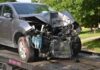
Most car accident claims are not won or lost in a courtroom. They are decided in the ninety minutes after impact, when nobody has a lawyer yet, the adrenaline is masking a neck injury, and someone says something to the other driver that an adjuster will quote back six months later.
The seven mistakes below are the ones that consistently reduce or destroy otherwise legitimate claims. The examples use Kentucky law, because Kentucky is a no-fault state with rules that trap people who assume their claim works the way it does in Ohio or Tennessee, and because the reputable car accident lawyers in Kentucky who handle these cases see the same avoidable errors repeat every week. The underlying principles apply wherever you drive.
Mistakes One Through Three: The Scene Itself
1. Leaving before the exchange is complete
Kentucky law does not treat this as a judgment call. Under KRS 189.580, a driver involved in a collision must stop, remain at the scene, and give their name, address, and vehicle registration to the other driver and to any injured person. Leaving a scene involving injury is a felony. Leaving a scene involving only property damage is a misdemeanor, and it is still enough to hand the other side a narrative about consciousness of guilt.
There is a narrow exception worth knowing: if the scene is genuinely unsafe, such as a blind curve on a two-lane road or a live traffic lane on I-64 or I-71, move the vehicles to the shoulder first, then complete the exchange. Moving for safety is not fleeing. Driving away is.
2. Deciding the damage is too minor to call the police
Kentucky requires a report to law enforcement when a collision involves death, injury, or property damage that appears to exceed 500 dollars, a threshold that a modern bumper cover clears on its own. If no officer investigates, the driver is required to file a written report with the Kentucky State Police within ten days.
The practical reason matters more than the statutory one. The police report is the only contemporaneous, neutral record of where the vehicles were, who said what, whether anyone was cited, and whether a witness gave a name. Without it, the claim becomes one driver’s word against another, and adjusters resolve those on a fifty-fifty split or deny them outright. A handshake agreement at the roadside to settle privately has a predictable ending: the other driver stops answering the phone, and by then the vehicles are repaired and the evidence is gone.
3. Apologizing, speculating, or narrating fault
Saying you did not see them, that you were reaching for your phone, or simply that you are sorry gets recorded in the officer’s narrative and repeated in the adjuster’s file. Kentucky follows pure comparative fault under KRS 411.182, which means your recovery is reduced by whatever percentage of fault is assigned to you. A statement that moves you from zero to twenty percent takes twenty percent off every dollar you recover.
You also do not have the facts yet. You do not know whether the other driver was speeding, whether their brake lights worked, or whether a light was malfunctioning. Give the officer what you observed. Do not offer a theory of the crash.
Mistake Four: Letting the Scene Disappear Undocumented
Skid marks are gone in a week. Debris is swept the same day. The other vehicle is repaired within a month. Whatever is not photographed in the first hour usually cannot be recovered.
A useful minimum, in this order:
- Wide shots from four directions showing both vehicles in their final resting positions before anything is moved.
- Close shots of every damaged panel on both vehicles, including the undamaged sides, which rebut later claims of pre-existing damage.
- The other vehicle’s license plate, insurance card, and driver license, photographed rather than transcribed.
- Traffic controls, lane markings, sight-line obstructions, construction cones, and the weather and road surface.
- Names and phone numbers of witnesses. An adjuster will not track them down for you, and by the time an attorney is retained, they are unreachable.
- Any visible injury, then again at 48 hours when bruising has fully developed.
Also note whether a business, a bus, a doorbell camera, or a nearby intersection camera faced the scene. Private surveillance is routinely overwritten within seven to thirty days, and a preservation letter sent in week one is the difference between having that footage and arguing about what happened.
Mistake Five: Refusing or Delaying Medical Care
Declining transport at the scene and waiting a week to see a doctor is the single most damaging thing an injured person does to their own claim. Soft tissue injuries, concussions, and disc herniations frequently present hours or days later, once the adrenaline clears. The gap in treatment becomes the defense: if the injury were real, you would have gone sooner.
Kentucky adds a financial reason to be seen promptly. Every driver carries Basic Reparation Benefits under the Motor Vehicle Reparations Act, KRS 304.39, commonly called PIP. That is 10,000 dollars per person for medical expenses, lost wages, and replacement services, and it pays regardless of who caused the crash. It only pays once you file an application for benefits with the insurer, so the paperwork matters as much as the appointment. Overdue benefits accrue interest under the statute, and an insurer that denies without a reasonable foundation faces a higher rate.
PIP also controls whether you can sue at all. Kentucky’s tort threshold under KRS 304.39-060 bars claims for pain and suffering unless medical expenses exceed 1,000 dollars or the injury involves permanent injury, permanent disfigurement, a broken bone, or death. Skipping care can leave you below the threshold on paper while still in genuine pain. A prompt medical evaluation protects both your health and your legal position, and it creates the documentation that makes the rest of the claim provable.
One Kentucky wrinkle to check on your own policy: drivers may reject the no-fault limitations by filing a rejection form with the Department of Insurance. Almost nobody does, but if a previous owner of your policy did, your rights and your PIP coverage are not what you assume.
Mistake Six: Talking About It in the Wrong Places
Two conversations damage claims more than any other.
The first is the recorded statement. The other driver’s adjuster will call within days, friendly and efficient, and ask for a recorded account. You are not obligated to give one to the opposing insurer. What you say will be transcribed and mined for inconsistencies, and questions like whether you are feeling better are designed to produce a quotable answer before you know your diagnosis. Your own insurer is different, because your policy requires cooperation, but even there you can ask to schedule it once you have your records in front of you.
The second is social media. A photograph of you at a cookout, a race registration, a check-in at a gym, or a caption saying you are doing fine will be found and it will be used. Investigators pull public profiles as a matter of routine, and friends tagging you defeats a private account. The safest posture is to post nothing about the crash, your injuries, your treatment, or your activities until the claim is closed, and to decline to accept new follow requests from people you do not know.
Do not delete existing posts either. Once a claim is anticipated, removing content can be characterized as spoliation of evidence. Stop posting; do not scrub.
Mistake Seven: Missing a Deadline You Cannot Reopen
Kentucky deadlines are unusually easy to miss because they are not the ones people expect from other states.
| Deadline | What it governs | Practical note |
|---|---|---|
| Immediately | Stop, exchange information, render aid | KRS 189.580; leaving an injury scene is a felony |
| 10 days | Written collision report to Kentucky State Police when no officer investigated | Applies when damage appears to exceed 500 dollars |
| Promptly, per policy | Notice of claim to your own insurer | Late notice is a common denial ground; call within days, not weeks |
| Before settling with the at-fault driver | Notice to your underinsured motorist carrier | Kentucky requires this so the UIM carrier can protect its subrogation rights; settling first can forfeit UIM entirely |
| 2 years | Suit for injury under the Motor Vehicle Reparations Act | Runs from the crash or from the last PIP payment, whichever is later |
| 7 to 30 days | Practical window to preserve third-party video | Send a preservation letter immediately; nobody keeps footage for you |
The underinsured motorist notice deserves emphasis, because it is the trap that costs Kentucky claimants the most money. If the at-fault driver carries only the state minimum liability coverage and your damages exceed it, your own UIM coverage is where the rest of the recovery comes from. Accepting the liability carrier’s check and signing a release without first notifying your UIM carrier and giving it the chance to respond can end that claim before it starts. Do not sign anything from any insurer without knowing what it releases.
Frequently Asked Questions
Should I call the police for a minor fender bender?
Yes. Kentucky requires a report when damage appears to exceed 500 dollars, which almost any modern bumper repair does, and requires a written report to the Kentucky State Police within ten days if no officer investigates. Beyond the legal requirement, the report is the only neutral contemporaneous record of the crash. Without it, disputed liability usually ends in a split or a denial.
How long do I have to file a car accident lawsuit in Kentucky?
Generally two years under the Motor Vehicle Reparations Act, measured from the date of the crash or from the date of the last basic reparation benefit payment, whichever is later. That is longer than Kentucky’s one-year general personal injury limit, but the interaction between the two is technical. Treat two years as an outside limit and consult a lawyer well before it, not near it.
Do I have to give the other driver’s insurance company a recorded statement?
No. You have no contractual relationship with the at-fault driver’s insurer and no obligation to be recorded by it. Your own policy is different and typically requires cooperation, but you can still ask to schedule the statement rather than give it on an unexpected call. Decline politely, provide the claim number and basic facts in writing, and route substantive questions through counsel.
Will my PIP claim raise my insurance rates?
Basic reparation benefits are no-fault coverage you already paid for, and using them is the intended purpose of the coverage rather than an admission of anything. Rating practices vary by carrier and by the facts of the crash, but declining medical care to protect a premium is a poor trade: an untreated injury costs far more than any plausible rate change, and it can drop you below the tort threshold entirely.
What if the other driver has no insurance?
Your own PIP still pays medical expenses and lost wages up to the policy limit regardless of fault. Beyond that, recovery depends on whether you carry uninsured motorist coverage, which is optional in Kentucky and must be offered by your insurer. Check your declarations page for both UM and UIM limits now rather than after a crash, since that single line often determines the ceiling on any recovery.
What to Do Next
Pull your insurance declarations page today and confirm three numbers: your liability limits, your uninsured motorist limits, and your underinsured motorist limits. Those figures, not the other driver’s conduct, usually set the ceiling on what a serious crash costs you. If you are already in a claim, the highest-value action right now is a written preservation request to any business whose camera faced the scene, followed by a medical evaluation if you have not had one.
Related reading on this site: Common Mistakes Car Accident Victims Make in California, and more coverage in Accidents Law.
This article is general information and is not legal or medical advice; consult a licensed attorney in your state about your specific situation.