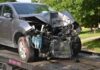
Knee ligament injuries are among the more underestimated harms a collision produces. The joint can be badly damaged and still bend, still bear weight, and still let a shaken driver walk to the curb. An ACL tear after a car accident seldom looks like the sideline moment people picture from sports, which is part of why some go unexamined for days.
That silence carries a cost on two fronts. For the patient, an unstable knee left alone can do damage that earlier treatment might have limited. For the attorney or case manager building a knee ligament injury personal injury case, the same silence becomes a gap in the timeline, and the timeline is often among the first things an opposing expert reviews.
What follows covers why the injury hides, how it is documented, and why a short delay can affect both a knee and a claim.
The Gap Between How It Feels and What It Is
The knee is held together by soft tissue rather than by a bone that either cracks or does not, so a ligament can tear while the surrounding structures still hold the leg upright. Adrenaline flattens the pain in the first hours, and emergency teams working through a crash reasonably prioritize the head, the spine, and open fractures. A knee that still moves, even roughly, may earn a soft tissue note and little else.
The result is a mismatch: an injury that later requires surgery can feel, on the day of the crash, like a bruise that ice will handle by the weekend.
A Knee That Fails Two Weeks Later
A driver rear-ended at a Houston intersection has her foot pressed hard against the brake at impact. Her knee aches that night but carries her weight, so she waits. Two weeks later it buckles as she steps off a curb, and an MRI shows a complete ligament tear.
A passenger in a San Antonio crash strikes his knee on the dashboard and leaves the emergency department with a bruise diagnosis. A month passes before he accepts that he cannot descend stairs without the joint slipping.
In cases like these, the injury is much the same at diagnosis as it was at impact. What changed was the attention paid to it, and the delay becomes a fact the record has to explain.
Reading the Warning Signs
Some signs appear immediately, while others become clearer once the knee is loaded during walking, climbing stairs, or moving over uneven ground. Symptoms that warrant medical evaluation include rapid swelling, a pop at the time of impact, a sense of looseness or instability, difficulty bearing weight, and an inability to fully straighten the knee.
Rapid swelling can suggest bleeding inside the joint and may accompany a significant ligament or other internal knee injury. In the days that follow, stiffness, persistent swelling, pain along the joint line, or repeated buckling may become more noticeable. These symptoms do not confirm an ACL tear on their own, but they justify a focused clinical examination and, when appropriate, imaging.
Where Documentation Gaps Create Questions
A delay between the collision and the first documented knee complaint can create questions about when the symptoms began and how the injury occurred. Prompt evaluation creates a contemporaneous record of the reported mechanism, symptoms, examination findings, and functional limitations. That documentation supports appropriate care and may also be relevant if the collision later becomes part of an insurance or legal claim.
The clinical concern is equally important. Recurrent instability may increase the risk of additional meniscus or cartilage damage. An orthopedic evaluation can help identify the structures involved and determine whether bracing, physical therapy, activity modification, or further testing is appropriate.
Proving an ACL Tear After a Car Accident
Diagnosis begins with the medical history and physical examination. A clinician may assess knee stability using tests such as the Lachman and anterior drawer tests, examine the other knee ligaments, evaluate swelling and range of motion, and document how the leg was positioned during the collision. A planted foot, direct dashboard impact, or twisting movement can place different forces on the knee.
X-rays can identify associated fractures but do not show the ACL itself. MRI can help characterize the ligament injury and evaluate the meniscus, cartilage, and other soft tissues. Understanding how MRI findings are read in personal injury claims requires considering the imaging alongside the reported collision mechanism, physical examination, symptoms, and functional limitations. A clear, dated medical record connects these findings over time without treating any single test as conclusive on its own.
The Treatment Path and Its Timeline
Treatment depends on whether the ACL tear is partial or complete, the degree of instability, associated knee injuries, and the patient’s activity level and goals. Partial ACL tears and some medial collateral ligament injuries may be managed with bracing, activity modification, and structured physical therapy focused on restoring motion, strength, and stability.
A completely torn ACL may not regain reliable stability on its own, but not every complete tear requires surgery. Reconstruction may be considered when instability continues, other knee structures are damaged, or the patient’s work and daily activities require greater knee stability.
Recovery timelines vary based on the treatment selected, associated injuries, rehabilitation progress, and the physical demands of the patient’s job. Persistent pain or instability may also require coordinated care from an orthopedic and pain management service as part of the broader treatment plan.
What Slows Recovery and Complicates a Claim
Age, obesity, diabetes, smoking, and prior knee trouble can each slow soft tissue healing, and damage to the meniscus or cartilage alongside the ligament tends to extend the timeline further. These same factors feed the defense, because pre-existing wear is a common counterargument in knee cases. The clinical question is usually not whether any degeneration existed before the crash, but whether the collision caused a fresh tear or aggravated a joint that had been stable and pain free.
Consistency with follow-up is the part of recovery a patient influences most. Orthopedic practices across Texas, among them Greater Texas Orthopedic Associates, generally schedule interval exams to track strength, stability, and range of motion, and recording those functional limits at each stage matters as much to the file as recording the tear did at the start.
Acting Within the Window
An ACL tear after a car accident is often quiet at first and loud later. Swelling that arrives within hours, a knee that feels unsteady, or a joint that will not fully straighten are reasons to be examined promptly rather than reasons to wait and watch.
Anyone with persistent knee symptoms after a collision is better served by an orthopedic evaluation while the findings are fresh and the line back to the crash is still clear.
This article is for educational purposes and is not a substitute for individual medical or legal advice. Filing deadlines and evidentiary requirements for injury claims vary by state and by circumstance.