The toxic baby food lawsuit has drawn widespread attention not only for its legal implications but also for the public health concerns it raises. At the heart of the controversy is the discovery that several popular baby food brands contain elevated levels of toxic heavy metals, which, even at low doses, can have serious consequences for infants’ developing brains and bodies.
Unlike adults, babies are far more vulnerable to these contaminants because their organs are still developing, and they consume more food relative to their body weight. Parents and advocacy groups have argued that manufacturers knew, or should have known, about these risks yet continued to market products as safe, nutritious, and essential for early childhood development.
The lawsuits claim that companies failed to implement proper testing protocols, ignored potential sources of contamination, and provided insufficient labeling or warnings to consumers. In response, plaintiffs are seeking damages that cover not only medical costs and long-term care.
| Category | Details |
| Issue | Elevated levels of heavy metals (lead, arsenic, cadmium, mercury) in baby food products. |
| Health Risks | Delayed cognitive development, learning difficulties, behavioral disorders, impaired growth, and organ function issues. |
| Legal Claims | Negligence, Failure to Warn, Breach of Warranty, Strict Product Liability. |
| Companies Involved | Beech-Nut, Gerber, Hain Celestial (Earth’s Best), Nurture LLC (HappyBaby), Plum Organics, Sprout Foods, Walmart Parent’s Choice. |
| Sources of Contamination | Naturally present in soil, water, and raw ingredients; found in fruit/vegetable purees, rice cereals, grain-based foods, and organic products. |
| Litigation Status | Consolidated into federal MDL in the U.S.; pretrial hearings, expert testimony reviews, and discovery processes ongoing; some claims dismissed, others advancing. |
| Parent Actions | Consult attorneys, track consumption, seek medical evaluations, document health effects, pursue compensation for therapy, medical care, long-term treatment, and emotional distress. |
| Preventive Measures | Limit rice-based cereals, rotate fruits/vegetables, choose brands with transparent testing, and consult pediatricians for alternatives. |
| Regulatory Response | FDA initiatives, state attorney general investigations, and congressional hearings; critics argue that current regulations are insufficient. |
| Impact | Raises awareness about infant food safety, pressures manufacturers for transparency, and could reshape regulatory standards and industry practices. |
Toxic Baby Food Lawsuit

The toxic baby food lawsuit has emerged as one of the most significant legal and public health issues in recent years, highlighting concerns over the safety of products designed for infants and toddlers. Parents and advocacy groups have filed lawsuits against major baby food manufacturers, claiming that products contain dangerously high levels of heavy metals such as lead, arsenic, cadmium, and mercury.
These contaminants, which can naturally occur in soil, water, and certain raw ingredients, become particularly hazardous when present in processed baby food because infants consume these products in relatively large amounts for their size. The lawsuits allege that companies failed to adequately test, monitor, and disclose the risks.
Plaintiffs argue that exposure to these metals has caused developmental delays, cognitive impairments, and long-term health issues, and they are seeking compensation for medical treatment, therapy, and emotional distress. The litigation has gained national attention, with many cases consolidated into federal multidistrict litigation (MDL) streamlined proceedings.
Overview of the Baby Food Lawsuit
The lawsuits allege that major baby food companies sold products containing toxic metals without proper testing, warning, or safety measures. Plaintiffs claim that manufacturers failed to provide clear information about the potential risks and continued to market their products as safe and nutritious for infants.
The main legal claims involve:
- Negligence: Companies did not exercise adequate care in sourcing and testing ingredients.
- Failure to Warn: Parents were not informed about potential contamination risks.
- Breach of Warranty: Products were marketed as safe and healthy, but contained harmful substances.
- Strict Product Liability: Products were inherently unsafe due to toxic contamination.
Companies Involved in the Litigation
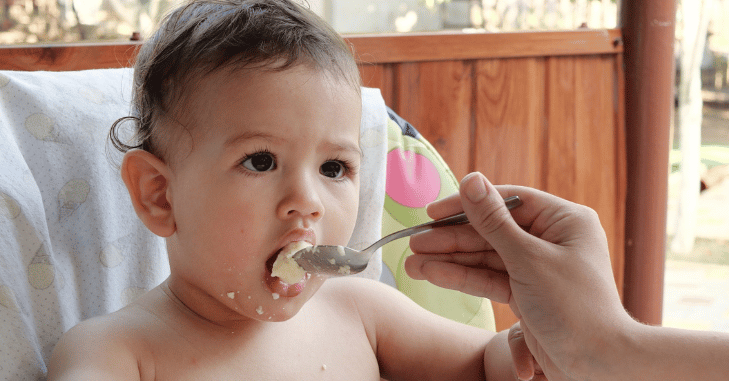
Several major baby food brands have been named in lawsuits, including:
- Beech-Nut Nutrition Company
- Gerber Products Company
- Hain Celestial Group (Earth’s Best Organic)
- Nurture, LLC (HappyBaby)
- Plum Organics
- Sprout Foods
- Retail brands like Walmart’s Parent’s Choice
Sources of Toxic Contamination
| Heavy Metal | Health Risks in Infants | Common Baby Food Sources |
| Lead | Cognitive and behavioral issues | Fruit and vegetable purees, cereals |
| Arsenic | Affects brain development and immune function | Rice cereals, grain-based foods |
| Cadmium | Impairs kidney function and overall growth | Vegetables, cereals, and some organic foods |
| Mercury | Neurological and developmental problems | Certain processed foods, trace contamination in purees |
Legal Proceedings and Current Status
The courts have consolidated many baby food lawsuits into federal multidistrict litigation (MDL) in the United States, enabling coordinated pretrial hearings, discovery processes, and expert testimony reviews.
Recent court proceedings have centered on determining whether plaintiffs can establish a clear link between heavy metal exposure and specific health outcomes in children, reviewing expert testimony regarding safety thresholds and relevant scientific studies, and debating the adequacy of manufacturers’ testing, quality control, and labeling practices.
Courts dismissed some claims due to insufficient evidence, while plaintiffs are pursuing other cases to obtain compensation for medical expenses, long-term care, and pain and suffering.
Health Risks of Toxic Metals in Baby Food
Exposure to heavy metals can be particularly harmful to infants because their brains and bodies are still developing. Long-term consequences may include:
- Delayed cognitive development
- Reduced attention span and learning difficulties
- Behavioral disorders like ADHD
- Impaired growth and organ function
- The risk is compounded because babies consume multiple servings of these products daily, potentially accumulating dangerous levels over time.
Regulatory and Government Response

Government agencies and lawmakers have taken steps to investigate these claims:
- The FDA launched initiatives to reduce heavy metal exposure in baby foods.
- State attorneys general have demanded safety reports and testing protocols from manufacturers.
- Congress has held hearings on heavy metals in infant food and called for stricter standards and enforcement.
- Despite these efforts, critics argue that current regulations are inadequate, and companies have relied on voluntary standards rather than enforceable safety limits.
Impact on Parents and Families
Parents who suspect that their children have been exposed to toxic baby food are advised to take several precautionary steps. Many consult product liability attorneys to explore potential lawsuits against the manufacturers, while also carefully tracking their children’s consumption history of specific brands and product types to gather supporting evidence.
In addition, seeking medical evaluations is crucial to document any health effects that may have resulted from exposure. Legal claims in these cases typically seek financial compensation to cover therapy, medical care, long-term treatment, and emotional distress caused by the harm to their children.
Preventive Measures for Parents

While litigation continues, families can take precautions to minimize exposure:
- Limit rice-based cereals, which are more likely to contain arsenic.
- Rotate fruits and vegetables to avoid repetitive exposure to the same contaminants.
- Choose brands that provide transparent testing and initiatives to reduce heavy metals.
- Consult pediatricians for nutritional guidance and alternative feeding options.
Conclusion
The toxic baby food lawsuits underscore a critical intersection of public health, consumer safety, and corporate accountability. They reveal how everyday products intended for infants can harbor hidden dangers when heavy metals like lead, arsenic, cadmium, and mercury contaminate foods.
As litigation progresses through federal multidistrict proceedings, it is prompting manufacturers to reevaluate safety protocols, regulators to consider stricter enforcement, and parents to remain vigilant about what their children consume. Ultimately, the outcomes of these lawsuits may set new precedents for transparency, quality control, and protection.
Want to know about When to Contact a Lawyer for Social Security Disability Claims Check out our Social Security Law category.
FAQs
The lawsuit focuses on the presence of heavy metals, lead, arsenic, cadmium, and mercury in baby food, which can cause serious developmental and health issues in infants.
Major brands named in the lawsuits include Beech-Nut, Gerber, Hain Celestial (Earth’s Best), Nurture LLC (HappyBaby), Plum Organics, Sprout Foods, and Walmart’s Parent’s Choice.
Plaintiffs claim that companies acted negligently, failed to warn, breached warranties, and violated strict product liability by selling contaminated products without adequate testing or disclosure.
Parents are advised to rotate fruits and vegetables, limit rice-based cereals, choose brands with transparent testing, and consult pediatricians for safer feeding alternatives.
The lawsuits could lead to stricter safety standards, better labeling, more rigorous testing, and greater accountability from manufacturers, improving overall infant food safety.