The connection between talcum powder use and ovarian cancer has become a major focus of litigation in recent years, with the Beasley Allen Law Firm ovarian cancer cases playing a central role. As a nationally recognized legal powerhouse, Beasley Allen has consistently remained at the forefront of representing women who, over time, developed ovarian cancer—allegedly due to the long-term use of talc-based products such as Johnson & Johnson’s Baby Powder. Furthermore, Beasley Allen has not only advocated for affected women but has also played a pivotal role in holding corporations accountable. As a result, the firm has significantly contributed to advancing consumer safety and promoting justice.”
Through aggressive legal action and public advocacy, the firm has highlighted the need for transparency, accountability, and regulation in the personal care industry. Their work not only seeks justice for affected individuals but also raises critical awareness about the health risks and legal rights surrounding talcum powder use.
| Categories | Details |
| Firm Focus | Ovarian Litigation |
| Product Involved | Talcum Powder |
| Main Defendant | Johnson &Johnson |
| Legal Action | High-Profile |
| Strategy Used | Expert Testimony |
| Key Attorneys | Beasley Glover |
| Health Risk | Cancer Link |
| Public Impact | Awareness Campaigns |
| Major Verdict | Billion Settlement |
| Regulatory Response | FDA Review |
| Ongoing Status | Active Cases |
| Future Outlook | Stricter Regulation |
Beasley Allen law Firm Ovarian Cancer
Beasley Allen Law Firm is prominent in litigating cases related to ovarian cancer linked to talcum powder use. The firm represents clients who allege that major manufacturers, particularly Johnson & Johnson, failed to warn consumers about the potential cancer risks associated with their products. Through high-profile lawsuits, Beasley Allen seeks to secure justice for affected individuals while raising public awareness about the dangers of talcum powder.
Their efforts have contributed to ongoing discussions about consumer safety, corporate responsibility, and the need for regulatory scrutiny in the personal care product industry.
Background
Background on Talcum Powder
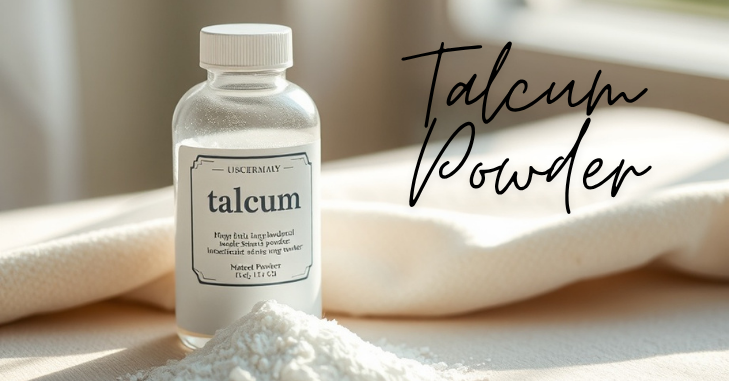
Talcum powder, derived from talc, is commonly used in personal care products, particularly for its moisture-absorbing properties. For decades, products containing talc, such as Johnson & Johnson’s Baby Powder, have been marketed for use in the genital area, particularly among women. However, emerging research has raised concerns about the potential link between talcum powder use and ovarian cancer.
The Role of Beasley Allen Law Firm
Beasley Allen Law Firm has positioned itself as a leading advocate for victims of ovarian cancer allegedly caused by talcum powder. The firm has pursued numerous lawsuits against major manufacturers, seeking justice for affected individuals and raising awareness about the risks associated with talcum powder use.
Major Lawsuits
Landmark Cases
Beasley Allen has been involved in several high-profile lawsuits that have garnered media attention and public interest. Some of the most notable cases include:
- Johnson & Johnson Lawsuits: The firm has represented numerous clients in lawsuits against Johnson & Johnson, claiming that the company failed to adequately warn consumers about the potential risks of using talcum powder.
- Juries Awarding Damages: Several cases have resulted in significant jury awards, with some verdicts reaching millions of dollars. These rulings have underscored the responsibility of manufacturers to prioritize consumer safety.
Legal Strategies
Beasley Allen employs various legal strategies in their lawsuits, including:
- Expert Testimony: The firm often utilizes expert witnesses, including medical professionals and scientists, to establish a causal link between talcum powder use and ovarian cancer.
- Document Discovery: The firm conducts thorough investigations, uncovering internal documents from manufacturers that may reveal knowledge of the risks associated with talcum powder.
- Public Health Implications: The firm emphasizes the broader implications of their cases, highlighting the need for increased regulation and consumer awareness.
Legal Attorneys Involved
Key Attorneys
Beasley Allen boasts a team of experienced attorneys specializing in product liability and personal injury cases. Notable attorneys involved in the talcum powder litigation include:
- Jere L. Beasley: A founding partner of the firm, Jere has a long history of advocating for victims of corporate negligence and has been instrumental in high-stakes litigation.
- Chris Glover: An attorney known for his work in product liability cases, Chris has been active in talcum powder litigation and has helped secure substantial settlements for clients.
Collaborative Efforts
Beasley Allen often collaborates with other law firms and legal organizations, forming coalitions to strengthen their cases and increase their impact in the fight against corporate malfeasance.
Impact on Public Health
Rising Awareness of Ovarian Cancer Risk
The lawsuits pursued by Beasley Allen have contributed to a growing awareness of the potential health risks associated with talcum powder. Public discussions surrounding these cases have led to increased scrutiny of talcum powder products and their safety.
Research and Studies
Numerous studies have investigated the link between talcum powder and ovarian cancer. Some key findings include:
- Epidemiological Studies: Research has suggested that women who use talcum powder in the genital area may have a higher risk of developing ovarian cancer, prompting further investigation into the safety of these products.
- Regulatory Responses: In light of emerging evidence, regulatory bodies, including the FDA, have begun to take a closer look at talc-based products, urging manufacturers to provide clearer warnings.
Changes in Consumer Behavior
As awareness of the potential risks increases, many consumers are reconsidering their use of talcum powder products. This shift in consumer behavior may prompt manufacturers to reformulate their products or provide enhanced safety warnings.
Awareness Campaigns
Public Education Initiatives
Beasley Allen is committed to raising awareness about the potential dangers of talcum powder through various campaigns. These initiatives aim to educate the public on the risks and encourage individuals to seek legal recourse if they have been affected.
Collaboration with Advocacy Groups
The firm often collaborates with cancer advocacy organizations and health-focused nonprofits to amplify their message. By partnering with these groups, Beasley Allen seeks to reach a broader audience and enhance their impact.
Media Engagement
Beasley Allen utilizes media outlets to share client stories, expert opinions, and research findings. By engaging with journalists and news platforms, the firm aims to keep the conversation about talcum powder safety in the public eye.
Additional Information
Ongoing Litigation
As of now, Beasley Allen continues to pursue new cases related to ovarian cancer and talcum powder. The evolving nature of the litigation landscape means that more cases may emerge, further shaping the dialogue on this critical issue.
Regulatory Developments
Regulatory scrutiny of talcum powder products is likely to increase as more evidence surfaces regarding their safety. Beasley Allen continues to advocate for stronger regulations to protect consumers from potential harm.
Future Implications
The outcomes of ongoing lawsuits and regulatory responses will have lasting implications for the talcum powder industry and public health. Beasley Allen’s efforts to hold manufacturers accountable may pave the way for greater transparency and consumer safety in the future.
The Importance of Medical Documentation in Talcum Powder Claims
One increasingly significant aspect of talcum powder litigation is the role of comprehensive medical documentation in supporting individual claims. Attorneys representing ovarian cancer plaintiffs often rely on pathology reports, treatment records, product usage history, and expert medical evaluations to establish the factual basis of each case.
Because every claimant’s medical history and exposure timeline differs, courts typically evaluate evidence on an individual basis, even within larger consolidated proceedings. Maintaining detailed records can help clarify the chronology of diagnosis and product use while enabling legal teams to present stronger, evidence-based arguments throughout the litigation process.
Conclusion
Beasley Allen Law Firm plays a vital role in addressing the health risks associated with talcum powder use and its alleged link to ovarian cancer. Through its litigation efforts, the firm has not only sought justice for affected individuals but has also contributed to a broader dialogue about consumer safety and corporate responsibility.
As awareness of the potential dangers increases, and as more research emerges, the implications for public health and the legal landscape surrounding talcum powder will continue to evolve. Beasley Allen’s commitment to advocacy and education remains critical in ensuring that consumers are informed and protected in the face of corporate negligence.
Want to know about “How the Legal System Protects Victims of Domestic Violence” Check out our “Social Security Law” category.
FAQs
A 1971 study discovered talc-compatible particles in human uterine and ovarian cancers. The use of genital talc was first associated with ovarian cancer in a case-control study conducted in 1982. The association was confirmed by dozens more, some of which are larger and are mentioned here.
Taylor Odlozil talks about how he first met Haley and how she found out she had stage 3C ovarian cancer, which includes both low-grade and high-grade forms. Haley’s symptoms are typical for stage 3C cancer, according to Dr. Kristin Taylor, who also notes that most patients are 63 years old, which is significantly older than Haley’s age of 20.
High-risk HPV16 and HPV18 are predominant genotypes associated with advanced stages of OC]. Molecular signatures of high-risk HPV (HR-HPV) types, along with low-risk HPV (LR-HPV) types, mostly HPV6, were detected in OC samples, while LR genotypes were found in non-cancerous controls.