


When treatment at sea appears to worsen an illness, you need to distinguish the medical emergency from what happened afterward.
Passengers may sue for medical malpractice on a cruise ship if the care falls below the required medical standard and causes additional harm. A claim against the cruise line also turns on whether it’s legally responsible for the provider; ticket terms and maritime deadlines may govern where and when you can sue.
Separating the emergency from the later care
A slippery deck raises questions about the accident, while a missed fracture raises questions about the medical assessment. Passengers considering cruise ship medical malpractice claims, including those departing from Florida, should document the initial event separately from later treatment to distinguish the original injury from any added harm.
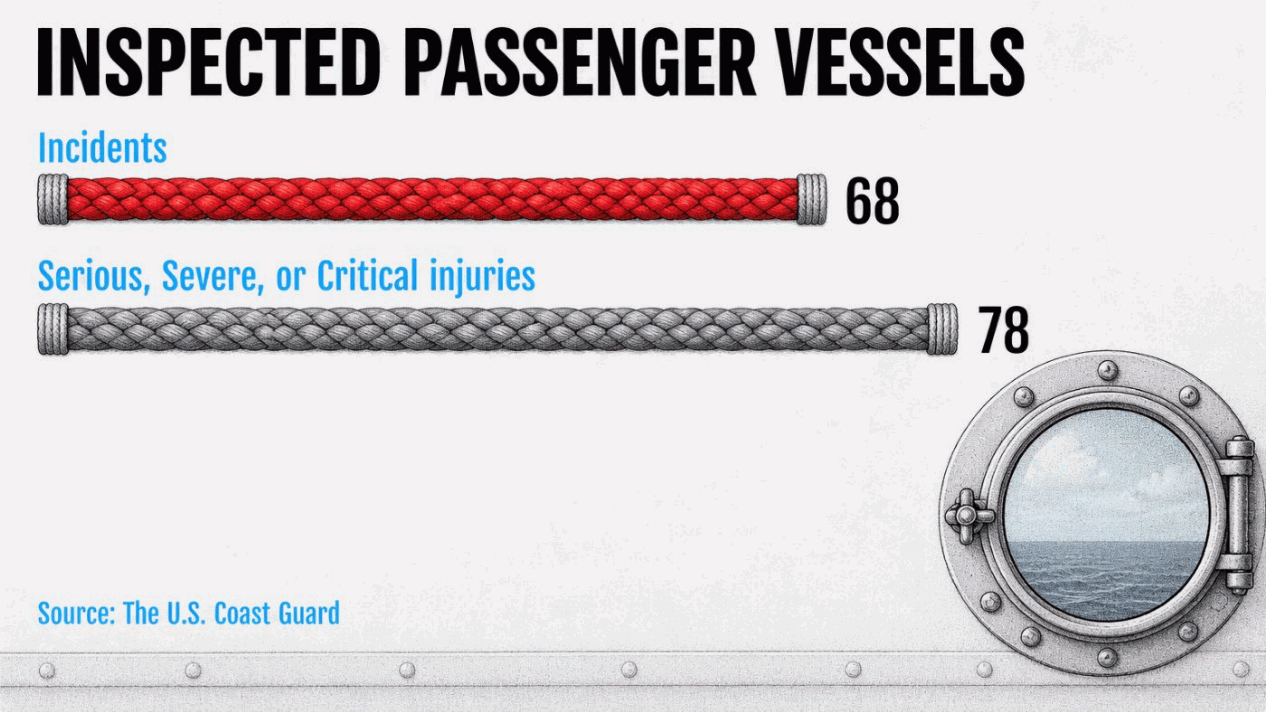
The U.S. Coast Guard reported 68 incidents that resulted in 78 Serious, Severe, or Critical injuries involving inspected passenger vessels in its report covering 2022 through 2024. The 78 injuries are part of a broader passenger-vessel category, so that figure doesn’t show how often onboard medical malpractice occurs.
Evidence and responsibility in cruise ship medical malpractice
You need the treatment records and evidence that a breach of the medical standard caused additional harm. A qualified medical reviewer can assess whether a different response would likely have prevented the condition from worsening, including whether the circumstances warranted a transfer ashore.

| Evidence to preserve | What it helps establish |
|---|---|
| Complete shipboard medical chart | Clinical notes and test results show what staff knew when they made treatment decisions. |
| Medication records | Drug names and doses establish what staff prescribed; administration times document what staff gave. |
| Messages and witness accounts | Requests for help can document reported symptoms and the response to them. |
| Later treatment records | Subsequent findings help distinguish the original condition from the alleged additional injury. |
| Separate incident report | An account of the original accident preserves facts about its cause and timing. |
Who might be legally responsible?
A doctor or nurse may be liable for negligent treatment; a cruise line may also be liable under agency law. An independent-contractor label doesn’t necessarily answer the question; the line’s responsibility can depend on its control and how it presented the medical service. Keep the clinic’s billing documents, along with any descriptions of its staff.
Ticket terms and care in port
Can the ticket restrict your claim?
Your cruise ticket can affect a malpractice claim by setting notice requirements and specifying where you must sue. The ticket doesn’t automatically rule out liability. A restriction’s enforceability depends on the governing law and the ticket’s terms, including how the cruise line conveyed those terms to you.
How soon must you file?
An enforceable ticket provision may give you only one year after injury or death to file suit. For covered voyages to or from a U.S. port, 46 U.S.C. § 30526 generally prohibits shorter deadlines for filing suit and written-notice periods shorter than six months. Those limits set contractual minimums, not deadlines that apply universally. Don’t assume later-discovered symptoms start the filing period again.
What changes when treatment happens ashore?
Treatment at a shoreside facility can trigger a separate rule governing liability limits. Vicarious liability means legal responsibility for another party’s negligence.
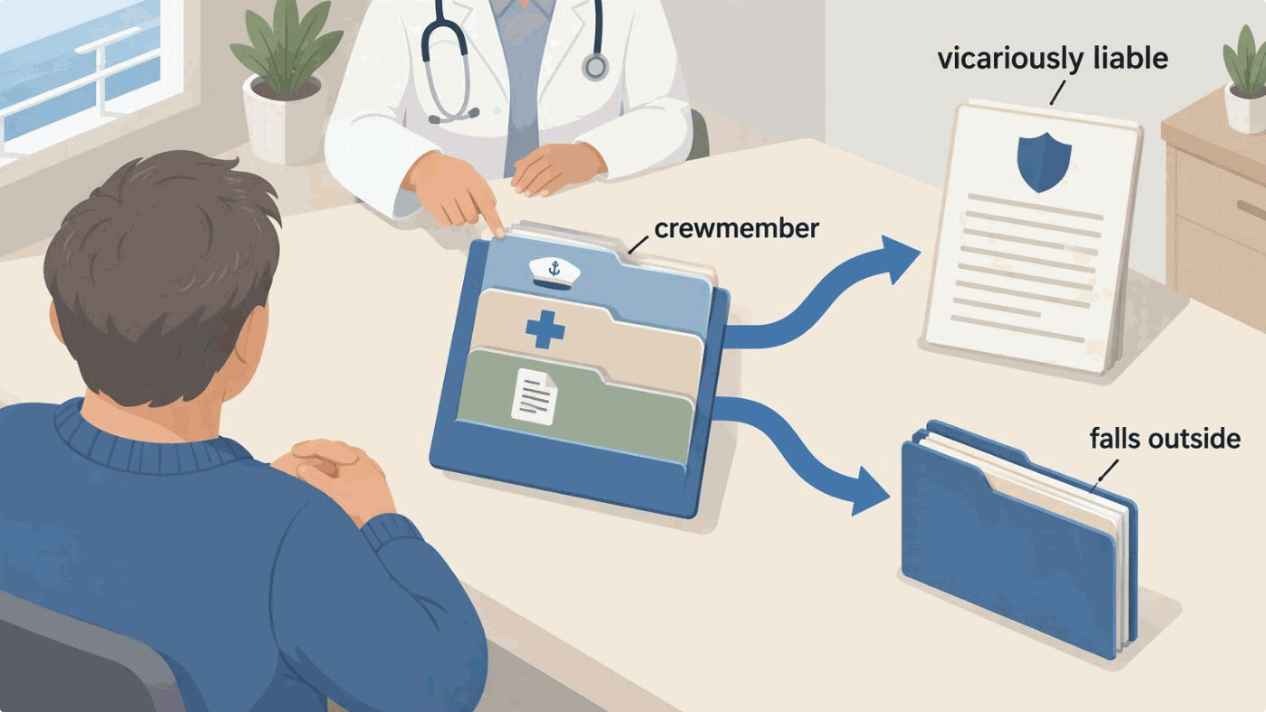
If a claim alleges that a cruise-line owner or operator is vicariously liable for medical malpractice involving a crewmember at a shoreside facility, 46 U.S.C. § 30528 lets the owner or operator rely on the provider’s statutory liability limits in the state where the care took place.
A claim falls outside the statutory borrowing rule if it doesn’t meet those conditions.
Preserving a possible claim after questionable care
Step 1: Obtain necessary follow-up care
Get prompt follow-up care and give the clinician your shipboard treatment history so they can assess your current symptoms. Tell the clinician when your symptoms first appeared, including any that began after you disembarked.

Step 2: Request the complete medical and incident records
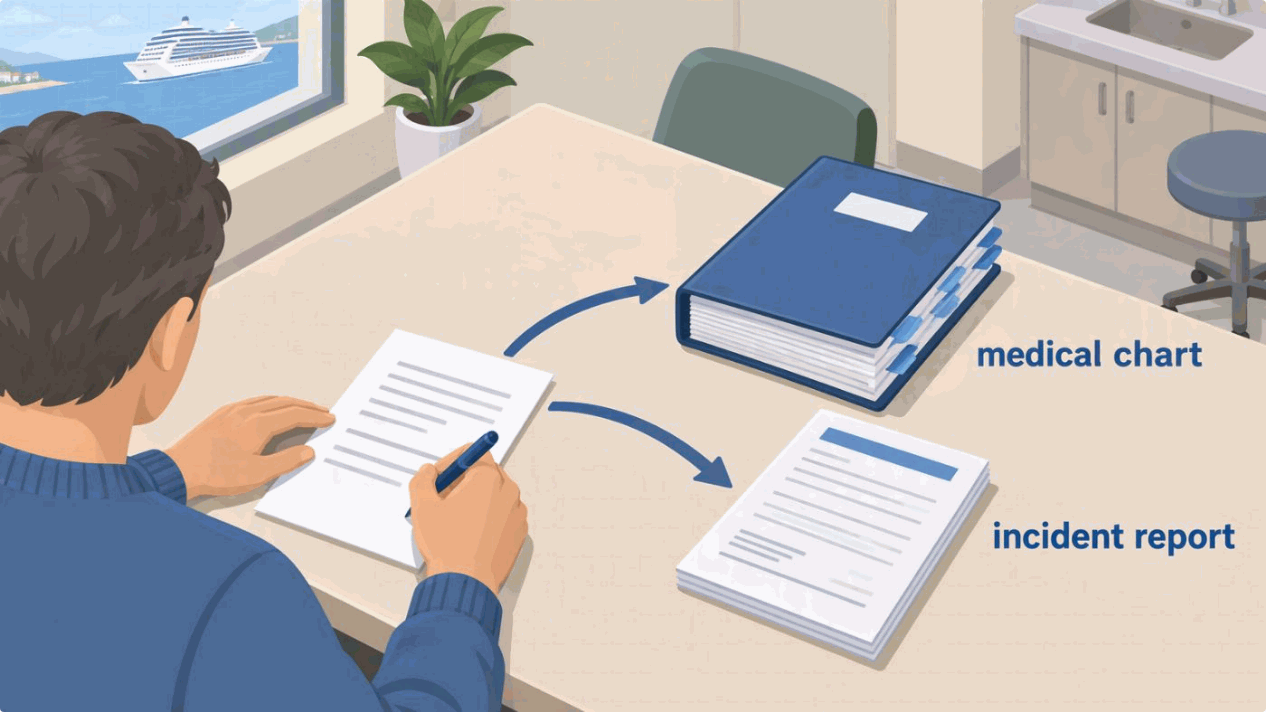
Request the full medical chart and a separate incident report in writing so you can reconstruct both events. Ask specifically for nursing notes and test results, along with medication administration records and transfer decisions.
Step 3: Preserve communications and supporting evidence
Save the original messages and receipts to document dates and expenses. Keep witness contact details in the same file, with notes about what each person saw directly rather than what they heard secondhand.

Step 4: Review the ticket and seek timely legal guidance
Have a lawyer familiar with maritime passenger claims promptly check your ticket’s notice and filing deadlines. Keep your booking confirmation with your ticket, and don’t assume that a customer-service complaint satisfies formal notice requirements.

Practical takeaway
Your follow-up clinician addresses current treatment; a lawyer evaluates a possible claim and the deadlines that apply. Keep a dated record of your symptoms together with copies of your ticket and medical records.
Your next action
After a poor outcome, you need medical and legal assessment, not an assumption of fault. Send the onboard medical service a written request for your complete chart today, and keep your own copy of the request.
Related questions and your next action
Why can suing a cruise line be difficult?
A claim against a cruise line can be difficult: you face separate hurdles in proving the medical case and following maritime procedure. You also have to identify the correct defendant and file your case in the required court.
Are ship physicians qualified doctors?
Ship physicians are medical doctors, although their licensing rules and credentials can differ. Check the treating provider’s license and training; a credential alone doesn’t show whether the care met the required standard during your treatment.
Does “wife on board” have a legal meaning?
In ordinary usage, “wife on board” means a spouse is aboard the vessel. Informal usage can vary; the phrase alone doesn’t establish authority to make medical decisions for another passenger or obtain that passenger’s records.
Can reputation rankings establish poor medical care?
A cruise line’s reputation doesn’t prove negligence in a particular medical encounter. A ranking of the worst-regarded lines can’t replace evidence of how the provider responded to your symptoms and the injury that resulted.
Do “least trashy” rankings measure medical quality?
“Least trashy” is a subjective description; it doesn’t measure medical competence. Neither a quieter atmosphere nor a higher fare tells you whether a clinician met the standard of care when treating your illness.
Are buffet scrambled eggs inherently unsafe?
Scrambled eggs aren’t inherently unsafe, though inadequate cooking or holding temperatures can pose food-safety risks. Suspected foodborne illness is distinct from a claim that later medical treatment made it worse. Record meal times separately from treatment.