The Clean Water Act (CWA) is one of the most influential environmental laws in the United States, established to safeguard the nation’s rivers, lakes, wetlands, and streams from pollution and ecological degradation. The Clean Water Act and the Supreme Court. Since its enactment in 1972, it has served as a foundation for protecting water quality and ensuring the safe, sustainable use of water resources for people and ecosystems alike.
However, the true reach of this law has not remained fixed. Over time, its interpretation has been shaped and redefined through major rulings of the Supreme Court of the United States. These judicial decisions have determined how far federal authority extends in regulating water bodies, making the Court a central force in balancing environmental protection with economic and political interests.
| Section | Key Points |
| What is the Clean Water Act? | Prevents water pollution, regulates discharges, and protects rivers, lakes, wetlands, and ecosystems. |
| Why the Supreme Court Matters | Interprets federal authority over water, wetlands, and land-use disputes. |
| Riverside Bayview Homes (1985) | Protected wetlands near navigable waters; expanded federal authority. |
| Rapanos v. United States (2006) | Split ruling; introduced the “significant nexus” test and created legal confusion. |
| Sackett v. EPA | Narrowed protection; only wetlands with continuous surface connection are covered. |
| WOTUS | Defines federally protected waters, which are constantly changing through court rulings. |
| Significant Nexus Test | Waters are protected if they are significantly affected by navigable waters. |
| Continuous Surface Connection | Strict rule requiring direct physical connection to navigable waters. |
| Environmental Impact | Reduced federal protection, increased state role, and ecosystem risks. |
| Economic & Political Impact | Helps development and agriculture but raises environmental concerns. |
| Ongoing Debate | Future laws and rulings may expand or further limit protections. |
What Is the Clean Water Act and the Supreme Court?

The Clean Water Act and the Supreme Court stand as cornerstones of environmental protection in the United States, ensuring that the nation’s water resources remain safe, clean, and sustainable for future generations. Enacted in 1972, it was a response to growing concerns over pollution and the degradation of rivers, lakes, and wetlands.
By setting strict standards, the law helps control harmful discharges from industries and municipalities. It also plays a vital role in protecting ecosystems that depend on clean water for survival. The concept of “waters of the United States” (WOTUS) continues to shape how broadly these protections are applied.
Why the Supreme Court Matters?
The law itself does not clearly define which bodies of water fall under federal jurisdiction. As a result, disputes often reach the Supreme Court of the United States, where justices interpret
- Whether wetlands are protected
- If small streams and seasonal waters count
- How far does federal authority extend over private land
These rulings have major consequences for environmental protection, agriculture, construction, and land development.
Landmark Supreme Court Cases
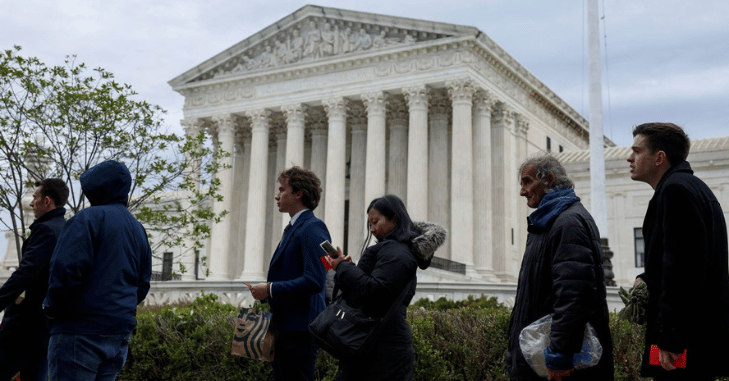
Landmark Supreme Court cases have played a pivotal role in shaping the interpretation and enforcement of the Clean Water Act. Through key decisions by the Supreme Court of the United States, the scope of federal authority over water bodies has been clarified and, at times, limited.
The Clean Water Act and the Supreme Court rulings address complex questions about wetlands, streams, and regulatory boundaries. As a result, they continue to influence environmental policy, legal standards, and the balance between development and conservation.
United States v. Riverside Bayview Homes
In United States v. Riverside Bayview Homes (1985), the Supreme Court of the United States affirmed that wetlands adjacent to navigable waters fall under the protection of the Clean Water Act. The ruling recognized the strong ecological connection between wetlands and larger water bodies.
It emphasized the role wetlands play in filtering pollutants and supporting biodiversity. This decision ultimately strengthened federal authority and reinforced the importance of preserving these vital ecosystems.
Rapanos v. United States
- A highly divided and complex decision by the Supreme Court of the United States that reshaped Clean Water Act interpretation.
- One opinion limited federal protection to relatively permanent waters, excluding many temporary or seasonal streams.
- Another opinion introduced the “significant nexus” test, requiring a meaningful connection to navigable waters.
- The lack of a clear majority created confusion for courts and regulators.
- It led to inconsistent enforcement and years of legal and environmental uncertainty.
Sackett v. Environmental Protection Agency
In Sackett v. Environmental Protection Agency, the Supreme Court of the United States delivered a landmark ruling that significantly narrowed the scope of the Clean Water Act. The Court determined that only wetlands with a clear and continuous surface connection to navigable waters qualify for federal protection. This interpretation excluded many wetlands that were previously regulated under broader definitions.
Key Legal Concepts Explained
Waters of the United States (WOTUS)

Waters of the United States (WOTUS) is a key term that defines the scope of federal protection under the Clean Water Act. Its meaning has evolved through rulings by the Supreme Court of the United States. As a result, the extent of protected waters continues to shift, impacting regulation and environmental policy.
Significant Nexus Test
The Significant Nexus Test is a key legal standard that emerged from Rapanos v. United States (2006), a decision of the Supreme Court of the United States. It determines whether smaller or isolated waters have a meaningful impact on larger navigable waters. If such a connection exists, those waters may fall under the Clean Water Act’s protection.
Continuous Surface Connection
The Continuous Surface Connection standard was introduced by the Supreme Court of the United States in Sackett v. Environmental Protection Agency. It requires wetlands to have a direct, unbroken surface connection to navigable waters to qualify for protection under the Clean Water Act. This stricter interpretation significantly narrows the range of wetlands covered by federal regulation.
Environmental Impact
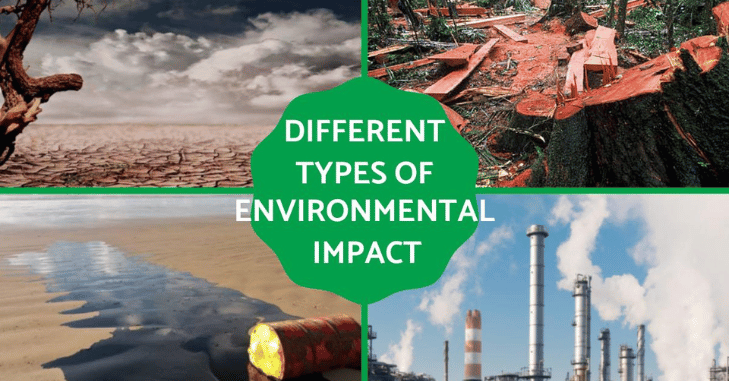
Supreme Court decisions have reshaped environmental protection in several ways:
- Reduced Federal Protection: Many wetlands and small streams are no longer covered
- Increased State Responsibility: States must decide how to regulate unprotected waters
- Impact on Ecosystems: Wetlands play a key role in flood control, water filtration, and wildlife habitats
Economic and Political Implications
The economic and political implications of Clean Water Act rulings are far-reaching, influencing key industries and public policy debates across the United States. Decisions by the Supreme Court of the United States have eased certain federal restrictions, allowing farmers greater flexibility in land use and giving developers more streamlined permitting opportunities.
At the same time, environmental groups have raised concerns about the potential weakening of protections for vital ecosystems, such as the Clean Water Act and the Supreme Court. These differing perspectives continue to fuel an ongoing debate over how to balance economic growth with long-term environmental sustainability.
Ongoing Debate and Future Outlook

- The ongoing debate over the Clean Water Act reflects a continuing struggle to balance environmental protection with economic and developmental needs.
- Future rulings by the Supreme Court of the United States may further reshape or clarify the limits of federal authority over water resources.
- There is potential for new policies or legislation that could redefine federal jurisdiction and strengthen environmental safeguards at the national level.
- States may take on a larger role in protecting wetlands and waterways if federal protections remain limited or narrowed.
- Overall, the future of the Clean Water Act will likely depend on both judicial interpretation and evolving environmental priorities.
Conclusion
The Clean Water Act continues to stand as a vital pillar of environmental protection, but its scope and effectiveness are deeply influenced by judicial interpretation. Through landmark cases such as Riverside Bayview Homes, Rapanos v. United States, and Sackett v. Environmental Protection Agency.
The Supreme Court of the United States has continuously reshaped the boundaries of federal water regulation. The Clean Water Act and Supreme Court decisions have narrowed or clarified key legal standards such as WOTUS, the Significant Nexus Test, and Continuous Surface Connection, directly impacting environmental policy across the country.
Ultimately, the ongoing evolution of the Clean Water Act highlights the constant tension between environmental conservation, economic development, and the division of power between federal and state authorities.
Want to know about How the Right Legal Partner Can Protect and Grow Your Business in Minneapolis Check out our Business Law category.
FAQs
There are no legal safeguards in place to ensure there is enough water left in the stream to support popular public uses such as swimming, fishing, and drinking.
Governments cannot disregard climate harm when deciding on new projects, as the ICJ’s ruling makes evident. For Australia, this means that when making environmental decisions, the updated EPBC Act must mandate accurate assessment of greenhouse gas emissions, including emissions from exports.
Because of this, 700 billion pounds of pollutants have been removed from American rivers, and since 1972, the number of streams that fulfill clean water standards has doubled.
The Clean Water Act is best applied in this way. This suggests that our main goal should be to reduce the amount of contaminated water released from sewers into nearby rivers, ponds, and lakes.