Introduction: Ethics and Defamation Collide
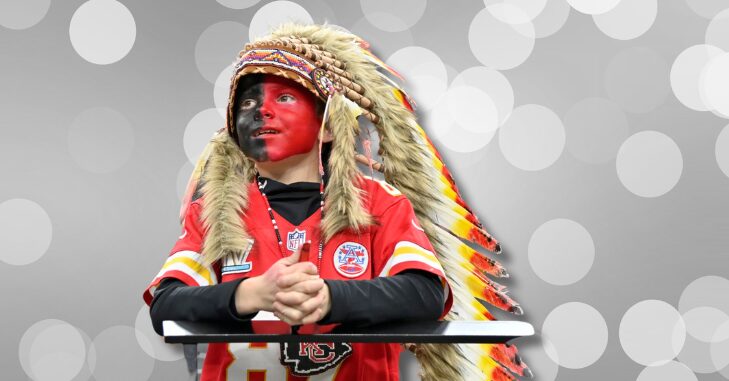
The 2023 Deadspin lawsuit brought to light a crucial debate between journalistic ethics and the boundaries of defamation law. The case began when Deadspin published an article that wrongly accused a 9-year-old Kansas City Chiefs fan of wearing “Black face” and a Native American headdress.
The court later determined these claims were false, noting the boy’s face paint matched his team’s colors. This incident demonstrates how sensationalized reporting and misleading visuals can cause significant harm, especially to private citizens.
Summary Table: Deadspin Lawsuit and Media Ethics
| Lawsuit Title | Armenta v. G/O Media, Inc. (Deadspin) |
| Plaintiffs | Raul Jr. & Shannon Armenta (on behalf of Holden Armenta) |
| Defendant | Deadspin (formerly under G/O Media, later Lineup Publishing) |
| Lawsuit Filed | February 6, 2024 |
| Incident Date | November 2023 (Kansas City Chiefs game) |
| The article implied that parents taught hatred | Carron Phillips |
| Main Allegation | Accused 9-year-old Holden of “blackface” and cultural insensitivity |
| Parental Accusation | Author of the Article |
| Photo Controversy | The article implied parents taught hatred |
| Family’s Response | Requested retraction and apology |
| Deadspin’s Action | Updated article, changed headline, removed photo and names; no retraction |
| Statement from Deadspin | Regretted “any suggestion” of attacking the family, but no formal apology |
| Legal Claims | Five counts of defamation (including defamation per se) |
| Presiding Judge | Delaware Superior Court Judge Sean Lugg |
| Deadspin’s Defense | The claimed article was an opinion, protected by free speech; wanted venue in California |
| Court Ruling | Motion to dismiss denied; statements ruled as potentially false factual assertions |
| Jurisdiction | Delaware court retains case, not moved to California |
| Emotional Impact | Only the black-painted side of Holden’s face is shown; the red side is omitted |
| Media Ethics Issue | Selective image use and reluctance to retract questioned |
| Defamation Law Issue | The case may test whether Deadspin acted with actual malice |
| Actual Malice Standard | Focus on the line between opinion and false fact |
| Corporate Fallout | Deadspin sold, staff laid off after controversy |
| Legal Expert Opinion | The family received hate mail and threats, including toward Holden |
| Broader Significance | Highlights clash between media ethics and defamation law |
| Public Discussion | Family is seen as having a strong case |
The Story That Shook Sports Media
Deadspin’s article alleged that the young Chiefs fan’s appearance at an NFL game promoted racial hatred, even suggesting his parents encouraged such beliefs.
However, the full, uncropped photo revealed that the child’s face was painted half red and half black —both team colors—and he wore no headdress. These facts contradicted Deadspin’s narrative. The Armenta family, facing harassment and threats, sued for defamation, arguing that the article caused real and lasting damage to their reputation and safety.
Court Ruling: Drawing the Line Between Fact and Opinion

Deadspin defended its article as a protected opinion, but Delaware Superior Court Judge Sean Lugg disagreed. The court found that Deadspin’s statements were not just opinions-they were “provably false assertions of fact.” Key points in the ruling included:
- Selective editing: Deadspin cropped the photo to hide exonerating details.
- Negligence: The outlet ignored clear evidence that contradicted their story.
- Implied facts: Statements like “taught to hate” were interpreted as factual, not opinion.
This decision sends a strong message: publishers can be held liable for defamation if they present false information as fact, even in opinion pieces.
The Power and Pitfalls of Visual Editing
Deadspin’s use of a cropped image was a significant factor in the lawsuit. The outlet created a misleading impression that fueled its false narrative by showing only the black-painted side of the boy’s face. This case illustrates how editorial choices, especially with images, can distort the truth and cause real harm.
The Impact on Public Trust in Media

Incidents like the Deadspin lawsuit erode public confidence in journalism. When media outlets prioritize sensationalism over accuracy, audiences become more skeptical of news sources. Rebuilding trust requires a renewed commitment to transparency, fairness, and accountability in reporting.
The Armenta family sued Deadspin for defamation, alleging harm to their reputation and emotional distress. In October 2024, a Delaware judge denied Deadspin’s motion to dismiss the lawsuit, ruling that the article’s claims were provably false and not protected as opinion.
Real-World Consequences for the Deadspin Lawsuit
The fallout from the lawsuit was immediate and severe for Deadspin. The site’s parent company, G/O Media, sold Deadspin to Lineup Publishing in 2024. Shortly after the sale, all staff were laid off. The site lost advertisers, saw a drop in readership, and faced mounting legal expenses. Deadspin’s reputation, once strong in sports journalism, was left in tatters.
Industry Impact: Changing How Media Covers Minors
This case has led to industry-wide changes. Other publishers, wary of similar lawsuits, have started to:
- Avoid publishing opinion pieces about children or private individuals
- Require legal review for sensitive stories
- Train staff on defamation law and ethical reporting
The Deadspin lawsuit is now a cautionary tale for digital publishers, illustrating the risks of prioritizing activism or clicks over accuracy.
Ethical Challenges in Modern Journalism

Deadspin’s missteps in this case echo earlier controversies, such as its handling of the Brett Favre scandal. These incidents reveal ongoing struggles balancing advocacy, sensationalism, and journalistic integrity. The temptation to chase viral stories can lead to ethical lapses and long-term damage.
The Human Cost of Irresponsible Reporting
The Armenta family’s experience of facing threats and public shaming shows the very real consequences of reckless journalism. When media outlets target private individuals, especially children, the harm can be profound and lasting. This case highlights the need for extra care and responsibility in reporting on non-public figures.
Lessons for the Media
The Deadspin lawsuit offers several important lessons:
- Serious allegations, especially about racism, require thorough fact-checking and context
- Opinion journalism must not misrepresent facts or omit crucial information
- Reporting on private individuals, particularly minors, demands heightened sensitivity
Publishers are now more likely to implement safeguards such as legal reviews and clear disclaimers to avoid similar mistakes.
The Role of Social Media Amplification
Social media played a significant role in spreading the Deadspin article and amplifying its impact. The rapid sharing of the story increased the harm to the Armenta family and fueled public outrage. This highlights the responsibility of both journalists and platforms to prevent the spread of misinformation and protect vulnerable individuals from viral defamation.
Redefining the Boundaries of Opinion Journalism
This case marks a turning point in how courts view the distinction between commentary and defamation. The ruling clarifies that advocacy cannot override the need for truth and that accuracy must remain the top priority in all forms of journalism.
Conclusion: A New Standard for Media Responsibility
The Deadspin lawsuit warns against the dangers of reckless reporting and sensationalism. By making false claims about a child and manipulating evidence, Deadspin suffered serious legal and reputational consequences. The court’s decision reinforces the right of private individuals to be protected from defamatory statements, even within opinion pieces.
Ultimately, this case underscores the importance of ethical journalism, where accuracy, fairness, and responsibility must always take precedence over sensationalism, especially when vulnerable people are involved.
Apart from this, if you are interested in knowing more about “Legal Representation for Personal Injury and Criminal Defense in Virginia“, then visit our “Criminal Law” category.
Frequently Asked Questions (FAQs)
Deadspin faces a defamation lawsuit for falsely accusing a 9-year-old Chiefs fan of racism using a misleading photo. A judge refused to dismiss the case, allowing it to proceed.
Deadspin did not issue an apology for its article falsely accusing a 9-year-old Chiefs fan of racism. Instead, the outlet republished an edited version that retained the accusations while removing the boy’s image.
Raul Armenta Jr. and Shannon Armenta, the child’s parents, filed the lawsuit in Delaware Superior Court.