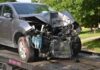
After a motorcycle crash the insurer is not neutral, and it is not your adversary in the way films suggest either. It is a business applying a claims process designed to resolve files quickly and cheaply. Understanding what that process rewards — and what it punishes — is most of what separates a fair outcome from a disappointing one.
Riders in Florida face an additional complication that most drivers never think about: the state no-fault system that covers car occupants does not extend to motorcycles. That single fact reshapes how a motorcycle claim has to be handled from day one.
Key Takeaways
- Florida Personal Injury Protection does not cover motorcycle riders, so there is no automatic no-fault medical benefit after a crash.
- Since the 2023 tort reforms, Florida applies modified comparative negligence with a 51% bar — a rider found mainly at fault recovers nothing.
- The limitation period for most negligence claims arising after March 2023 is two years, not the four years many older articles still quote.
- Recorded statements and blanket medical authorisations are the two requests most likely to damage a claim.
- The first offer is typically made before treatment is complete, which is precisely why it is low.
Understanding the Insurance Company’s Role
Two different relationships are in play, and confusing them causes real harm.
Your own insurer owes you contractual duties, including a duty of good faith. You generally have obligations under that policy to report promptly and cooperate. The at-fault driver’s insurer owes you nothing beyond what the law requires. Its adjuster is not there to advise you, and statements you make to them are gathered as evidence, not as background.
For Florida riders the practical consequence is stark. Because motorcycles are excluded from PIP, there is no automatic pot of medical benefits to draw on while liability is sorted out. Medical costs land on health insurance, on a letter of protection, or on the rider. Meanwhile, a rider aged 21 or over who chooses not to wear a helmet is required to carry a minimum level of medical benefits coverage — a rule worth checking before, not after, a crash.
Common Tactics Used to Undervalue Motorcycle Claims
The early recorded statement
A friendly call within 48 hours, while you are medicated and shaken, produces quotes that are used for the life of the claim. “I’m okay” becomes evidence of no injury. “I didn’t see him until the last second” becomes evidence of inattention. You are usually not obliged to give a recorded statement to the other side’s insurer at all.
The unlimited medical authorisation
A broad authorisation lets an insurer pull years of unrelated history, then attribute your current symptoms to an old injury. Records relevant to the crash and the body parts involved are reasonable; a decade of everything is not.
Rider bias
Adjusters know juries can carry assumptions about motorcyclists being reckless. Expect questions engineered to build that picture — modifications to the bike, riding experience, speed, gear. Answering these without preparation is one of the common mistakes that quietly reduce settlements.
Delay and the gap in treatment
Slow responses push claimants toward accepting less. And any pause in treatment, whatever the reason, is characterised as recovery. Consistent attendance is not just medical advice; it is evidence.
The anchoring first offer
An early figure arrives before the scans, the specialist opinion or any assessment of future care. Accepting it requires signing a release that ends the claim permanently, including for complications that emerge later.
The Florida Rules That Decide the Number
Two changes from the 2023 tort reform package matter more than anything else on this list, and a great deal of online guidance is still out of date on both.
Modified comparative negligence. Florida moved from pure comparative fault to a modified system with a 51% bar. If you are found more than half responsible, you recover nothing at all. Below that threshold your award is reduced by your percentage. This makes the fault argument existential rather than merely expensive, and it is why riders should treat allegations about lane position, speed and visibility as serious from the outset.
A shorter deadline. The limitation period for most general negligence claims was reduced from four years to two. Claims involving government entities, wrongful death and minors follow different rules again. If you are working from an older article, assume the deadline is shorter than it says and verify.
Coverage is the third variable. Because riders have no PIP, the recovery usually depends on the at-fault driver’s bodily injury liability coverage, your own uninsured and underinsured motorist coverage if you carry it, and any commercial or umbrella policy in play. Riders who have thought carefully about choosing the right insurance plan before a crash are in a substantially stronger position afterwards, because UM coverage is often the only meaningful source of funds when the other driver is underinsured.
How to Handle the Claim Well
- Get assessed immediately and keep going. Adrenaline masks injury, and the medical record is the claim.
- Report to your own insurer as the policy requires, factually and without speculating on fault.
- Decline the other insurer’s recorded statement until you have advice, and put the refusal politely in writing.
- Limit medical authorisations to the relevant period and body parts.
- Preserve evidence quickly — helmet camera footage, the damaged helmet and gear, the bike before repair, scene photographs, and witness details. Ask for CCTV before it is overwritten.
- Keep a simple daily log of pain, sleep, missed work and tasks you cannot do. Contemporaneous notes carry weight that later recollection does not.
- Do not accept any offer until you have reached maximum medical improvement and understand the cost of future care.
- Keep everything in writing where you can, and note the date, name and substance of every call.
When to Seek Legal Help
Some claims genuinely do not need a lawyer: clear liability, minor injury, full recovery, prompt payment. Most serious motorcycle claims are not that.
Get advice promptly if liability is disputed or fault is being shared with you, if injuries required surgery or are likely to have lasting effects, if the insurer is delaying or has denied the claim, if there are multiple vehicles or a commercial defendant, if a government entity may be responsible, or if the settlement offered would not cover treatment already received. Understanding your legal rights after a motorcycle accident early is what keeps options open — several of the most valuable steps, including evidence preservation and refusing a recorded statement, only work if taken before the insurer has locked the file down.
Representation is normally on contingency, so the practical question is not whether you can afford a lawyer but whether the case needs one. Speaking to a Jacksonville motorcycle accident attorney early costs nothing in most firms and clarifies quickly whether it does.
Frequently Asked Questions
Does PIP cover me on a motorcycle in Florida?
No. Florida Personal Injury Protection applies to motor vehicles as defined by the no-fault statute, and motorcycles are excluded. Riders rely on health insurance, the at-fault driver’s liability coverage, and any uninsured or underinsured motorist coverage they hold.
Do I have to give the other insurer a recorded statement?
Generally no. Your duty to cooperate runs to your own insurer under your policy, not to the at-fault driver’s insurer. Declining is normal and is not evidence of anything.
How long do I have to bring a claim?
For most negligence claims arising after the 2023 reforms, two years. Different and often much shorter deadlines apply to claims against public entities, so check early rather than assuming.
What if I was partly at fault?
You can recover as long as you are found 50% or less responsible, with your damages reduced by your share. Above 50% you recover nothing, which is why apportionment is fought so hard.
Should I accept the first offer?
Almost never, unless treatment is complete and the figure genuinely reflects the full picture. Settlement releases are final.
What if the insurer just stops responding?
Document the silence, keep written records of every attempt, and get advice. Florida has a statutory framework for insurer bad faith, but it has strict procedural prerequisites and is not a substitute for filing within the limitation period.
Endnote
Dealing with an insurer after a motorcycle crash is a documentation exercise more than a negotiation. Treat consistently, preserve evidence early, be careful about what you sign and say, and refuse to value the claim before the medicine is clear. The rules changed materially in 2023, so verify any advice you read against the current position.
This article is general information, not legal advice for your situation.
Related reading: How to Choose a Truck Accident Lawyer With FMCSA & ELD Expertise.
Explore more in Accidents Law.