The increasing volume and complexity of electronically stored information (ESI) have transformed the legal landscape in the digital era. As a result, eDiscovery (electronic discovery) has become an indispensable tool for law firms navigating modern litigation.
It allows legal teams to efficiently identify, collect, review, and produce digital evidence in response to legal obligations. From emails and documents to social media posts and mobile data, eDiscovery for law firms manages vast amounts of information with precision and speed.
With rising data volumes and stringent compliance requirements, eDiscovery supports efficient case preparation and helps ensure that legal processes remain defensible, secure, and aligned with evolving court standards.
| Aspect | Summary |
| eDiscovery for Law Firms | Rise of eDiscovery in the digital legal landscape |
| Purpose | Helps law firms manage and produce digital evidence in legal proceedings |
| Scope of Data | Emails, documents, social media, mobile data, and other digital sources |
| Benefits | Speed, accuracy, compliance, and defensibility of legal processes |
| Need for eDiscovery | Increasing data volumes and evolving legal standards |
eDiscovery for Law Firms
eDiscovery, or electronic discovery, is a critical component of modern litigation, enabling law firms to identify, collect, preserve, review, and produce electronically stored information (ESI) for use as evidence in legal proceedings. As digital communication and data storage have become the norm, traditional case document management methods are no longer sufficient.
eDiscovery for law firms handles vast digital data efficiently and securely. It includes processing data from diverse sources such as emails, documents, social media, mobile devices, cloud platforms, and even metadata. Using advanced tools and technologies, such as AI-driven document review, keyword filtering, and data analytics, law firms can significantly reduce the time and costs associated with manual document review while increasing accuracy.
Moreover, eDiscovery ensures compliance with court orders, legal standards, and data protection regulations. For law firms, adopting eDiscovery is not just about staying current with legal tech; it’s about gaining a strategic edge in litigation, improving client outcomes, and minimizing the risks of non-compliance or overlooked evidence.

What is eDiscovery?
eDiscovery refers to identifying, collecting, reviewing, and producing electronically stored information (ESI) relevant to a legal case. This data can include emails, documents, presentations, databases, voicemail, audio and video files, social media, and other digital files.
Why is eDiscovery Important for Law Firms?
Law firms handle vast volumes of client data. With the majority of this data now being digital, managing it efficiently is critical for:
- Ensuring compliance with legal requirements.
- Protecting client confidentiality.
- Enhancing litigation preparedness.
- Reducing discovery-related costs and risks.
The Stages of the eDiscovery Process
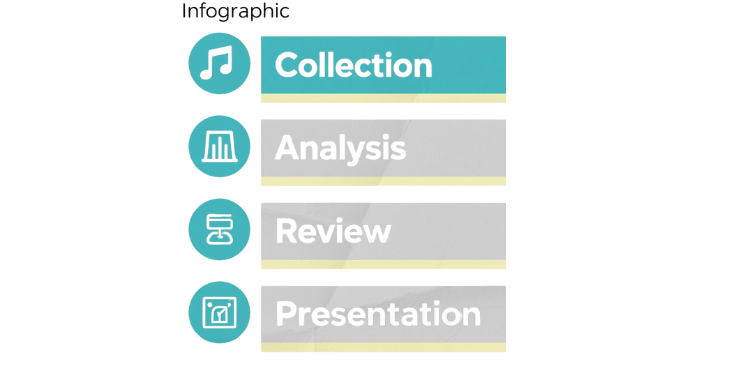
| Stage | Description |
| 1. Information Governance | Organizing and managing ESI for easy access, security, and compliance. |
| 2. Identification | Locating potential sources of relevant ESI. |
| 3. Preservation | Protecting ESI from alteration or destruction. |
| 4. Collection | Gathering ESI from various sources in a defensible manner. |
| 5. Processing | Reducing data volume and converting files into formats suitable for review. |
| 6. Review | Evaluating ESI for relevance, privilege, and responsiveness. |
| 7. Analysis | Extracting meaningful insights, patterns, and facts from the data. |
| 8. Production | Delivering ESI to opposing counsel in agreed-upon formats. |
| 9. Presentation | Using ESI in depositions, trials, or hearings. |
Types of Electronically Stored Information (ESI)
Emails
Emails are one of the most common forms of ESI in legal cases. They can include communications from platforms like Outlook and Gmail and often contain critical information about timelines, intent, and agreements between parties.
Documents
Documents encompass text files, spreadsheets, and presentations, typically in Word, PDF, and Excel. These files often hold contracts, reports, financial records, and other essential case-related information. Their structured content and metadata are vital for understanding the context of legal disputes.
Media Files
Media files include audio recordings, voicemails, and video footage, which can provide visual or auditory evidence. Examples range from surveillance videos to recorded phone calls, which may reveal conversations, actions, or events relevant to a case.
Social Media
Social media content such as Facebook posts, tweets, and LinkedIn updates can be used to verify alibis, identify relationships, or track activities. This data is dynamic and can be public or private, requiring careful collection to preserve authenticity and chain of custody.
Cloud Data
Cloud data refers to files stored on services like Google Drive, OneDrive, and Dropbox. These platforms enable easy sharing and collaboration but pose challenges in locating, accessing, and preserving documents that may be edited in real-time or deleted.
Mobile Data
Mobile data includes text messages, call logs, app activity, and location data. With the increasing use of smartphones for personal and professional communication, this type of ESI is frequently requested in litigation because it can provide real-time and contextual information.
Metadata
Metadata is the hidden data embedded in digital files that describes characteristics like creation date, author, file size, and modification history. It plays a crucial role in verifying authenticity and understanding how and when data was created, changed, or accessed.
Ephemeral Messaging and the Volatility of Self-Destructing Data
The widespread adoption of workplace communication on applications featuring automated deletion functions—such as Signal, WhatsApp, and Telegram—has introduced a highly volatile category of ESI. Unlike traditional emails or standard cloud documents that leave persistent digital trails, ephemeral messaging applications actively erase data based on pre-set timers.
For law firms, this creates an immediate procedural hurdle during the preservation phase. Legal teams must now issue hyper-specific litigation holds that explicitly mandate the immediate suspension of auto-delete protocols across both corporate and employee-owned devices.
Failing to halt these automated deletion cycles the moment litigation is anticipated can be interpreted by courts as intentional data spoliation, triggering severe evidentiary sanctions before the document review phase even begins.
Tools and Technologies Used in eDiscovery
| Tool/Tech | Function |
| Relativity | Document management, analytics, and review platform. |
| Logikcull | Cloud-based eDiscovery for fast and secure document handling. |
| Everlaw | Collaborative litigation and discovery software. |
| Nuix | Data processing and analysis for large-scale eDiscovery. |
| FTK (Forensic Toolkit) | Digital forensics and data collection tool. |
| AI and Machine Learning | Helps in predictive coding, data clustering, and review automation. |
Benefits of eDiscovery for Law Firms
eDiscovery offers numerous benefits for law firms, significantly enhancing their litigation capabilities. Efficiency is one of the primary advantages, as it reduces the time and effort spent on manually reviewing large volumes of documents.
This leads directly to improved cost-effectiveness, minimizing labor and physical data storage expenses. Another critical benefit is accuracy; with AI-assisted tools, the risk of human error during document review is significantly reduced, ensuring more reliable results.
Additionally, eDiscovery supports compliance with evolving legal regulations and court-mandated protocols for data handling, reducing the risk of penalties. It also offers impressive scalability, allowing firms to manage everything from minor cases to massive, complex data sets without compromising performance.
Finally, it promotes enhanced collaboration, enabling legal teams to access, review, and manage data from multiple locations simultaneously, streamlining workflows and improving case outcomes.
Challenges Law Firms Face in eDiscovery
| Challenge | Impact |
| Data Volume | Large data sets can be overwhelming and costly to manage. |
| Privacy Concerns | Handling sensitive information risks data breaches. |
| Complexity of Tools | Steep learning curve for legal professionals. |
| Changing Regulations | Compliance requirements vary across jurisdictions and evolve rapidly. |
| Cost Management | Balancing expenses for software and expert support. |
Best Practices for Law Firms Using eDiscovery
To maximize the effectiveness of eDiscovery, law firms should adopt several best practices. First, it is essential to train legal teams, ensuring that attorneys and support staff are well-versed in using eDiscovery tools and understanding their capabilities. This reduces errors and increases efficiency during litigation.
Additionally, firms should establish clear data management policies, including data retention protocols, user access, and information security. Collaborating with experienced professionals is also key; law firms should partner with trusted eDiscovery vendors and consultants who can provide technical support, strategic guidance, and scalable solutions.
Furthermore, firms should leverage AI technologies to streamline tasks like early case assessment and document prioritization, helping them focus on the most relevant data faster. Finally, maintaining data security is paramount; this involves encrypting sensitive information and ensuring that only authorized personnel have access to critical case data, thereby minimizing the risk of breaches or compliance violations.

Legal and Ethical Considerations in eDiscovery
- Privilege Protection: Ensure attorney-client privileged data is not inadvertently disclosed.
- Data Spoliation: Avoid destruction or alteration of relevant data — courts can impose sanctions.
- Cross-Border Compliance: International cases may involve GDPR or other data protection laws.
Future Trends in eDiscovery
| Trend | Description |
| AI Integration | Increased use of AI for legal document analysis and automation. |
| Cloud-Based Solutions | Shift towards scalable, remote-friendly eDiscovery platforms. |
| Mobile Device Forensics | Growing need to extract data from smartphones and tablets. |
| Cybersecurity Focus | Emphasis on securing ESI against data breaches and ransomware. |
| Real-Time eDiscovery | Live data extraction and review capabilities during ongoing litigation. |

Conclusion
As legal proceedings evolve in the digital age, eDiscovery for law firms stands at the core of efficient, accurate, and compliant litigation management. Its ability to streamline workflows, reduce costs, enhance collaboration, and maintain legal defensibility makes it a strategic asset for law firms of all sizes.
Despite the challenges, ranging from data privacy to tool complexity, implementing best practices and staying updated with technological trends can significantly enhance a firm’s capabilities. Innovations such as AI integration, cloud-based platforms, and mobile forensics will continue to reshape how law firms conduct discovery.
Apart from that, if you are interested to know about “Ozempic Lawsuit: Everything You Need to Know About the Legal Controversy Surrounding the Popular Diabetes Drug” then visit our “Legal Advice” category.
FAQs
eDiscovery is the process of identifying, collecting, reviewing, and producing digital data (like emails, documents, and social media) for use in legal cases.
It helps firms efficiently manage large volumes of electronic evidence, ensuring compliance, reducing costs, and improving case outcomes.
It includes emails, documents, mobile data, social media content, cloud files, and metadata.
Faster case preparation, greater accuracy, lower costs, enhanced security, and better compliance with legal standards.