Facing a felony charge can be one of the most stressful experiences in a person’s life. A felony conviction can lead to severe penalties, including prison time, substantial fines, loss of employment opportunities, and long-term damage to your reputation. In such situations, hiring the right felony lawyer is not just important; it can be critical to protecting your future.
A skilled lawyer understands the complexities of criminal law and works tirelessly to defend your rights throughout the legal process. Whether you are facing drug charges, theft allegations, assault accusations, or other serious offenses, the right attorney can significantly impact the outcome of your case.
A qualified criminal defense attorney understands the law, court procedures, and prosecution strategies. They work to protect your rights, challenge weak or illegal evidence, and build a strong defense tailored to your case. In many situations, the right legal representation can lead to reduced charges, minimized penalties, or even case dismissal. This guide explains everything you need to know about hiring a lawyer, what they do, and how they can help you achieve the best possible result.
Key Responsibilities of a Felony Lawyer
| What Is a Felony Lawyer? | A lawyer who defends clients against serious criminal charges. |
| Role of a Lawyer | Protects rights and builds strong defense strategies. |
| Importance of Legal Representation | Helps avoid severe penalties and legal mistakes. |
| When to Hire a Lawyer | Immediately after arrest or investigation. |
| First Consultation | Initial case review and legal guidance session. |
| Case Evaluation | Lawyer analyzes evidence and charges. |
| Evidence Review | Examines police reports and witness statements. |
| Criminal Defense Strategy | Builds plan to fight or reduce charges. |
| Court Representation | Represents client during hearings and trial. |
| Plea Bargaining | Negotiates reduced charges or penalties. |
| Rights Protection | Ensures constitutional rights are respected. |
| Investigation Process | Gathers facts and uncovers defense evidence. |
| Role in Negotiations | Deals with prosecutors for better outcomes. |
| Trial Preparation | Prepares arguments and witnesses for court. |
| Cost of Hiring Lawyer | Fees depend on case complexity and experience. |
| Payment Options | Offers hourly, flat, or installment plans. |
| Public Defender vs Private Lawyer | Private lawyers usually provide more focus and resources. |
| Common Felony Charges | Includes theft, assault, drug crimes, and fraud. |
| Consequences of Felony | Can lead to jail time, fines, and a long-term impact on your record. |
| Importance of Experience | Experienced lawyers handle cases more effectively. |
| Legal Defense Rights | Every accused person has constitutional protections. |
| Mistakes to Avoid | Avoid speaking to police without a lawyer. |
| Local Lawyer Benefits | Knows local courts, judges, and procedures. |
| Case Outcome Factors | Depends on evidence, defense, and legal strategy. |
| Final Legal Outcome | May include dismissal, reduction, or conviction. |
What Is a Felony Lawyer?

It is a criminal defense attorney who specializes in representing individuals charged with felony offenses. Felonies are considered the most serious category of crimes and often carry penalties that exceed one year of imprisonment. Common felony charges include:
- Drug trafficking
- Aggravated assault
- Armed robbery
- Burglary
- Fraud and white-collar crimes
- Homicide
- Kidnapping
- Sexual offenses
The significant consequences of felony charges make professional legal representation essential for navigating the court system effectively.
Why Hiring a Felony Lawyer Matters?
Many people underestimate the complexity of criminal cases. Prosecutors have extensive resources, legal teams, and investigative support to build cases against defendants. They serves as your advocate by:
- Protecting your constitutional rights
- Explaining legal procedures
- Investigating evidence
- Challenging unlawful actions by law enforcement
- Negotiating with prosecutors
- Representing you in court
Without proper legal representation, defendants may unknowingly make decisions that negatively affect their cases.
How a Lawyer Protects Your Rights?
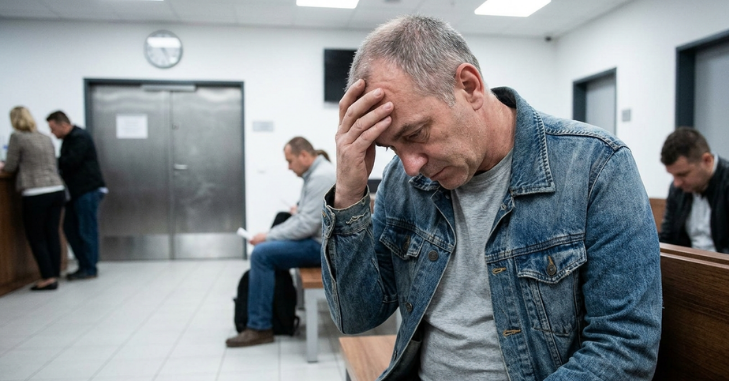
Throughout the criminal justice process, a felony lawyer works to ensure that your legal protections are fully upheld and respected.
Protection Against Illegal Searches and Seizures
Law enforcement officers must follow strict procedures when gathering evidence. If police conduct an unlawful search or seizure, your attorney may be able to challenge the evidence and seek its exclusion from court.
Protecting Your Right to Remain Silent
Many defendants accidentally harm their cases by speaking to investigators without legal counsel. A lawyer advises clients on when and how to communicate with authorities.
Ensuring Fair Treatment
Your attorney ensures that prosecutors, judges, and law enforcement agencies respect your legal rights and follow established procedures throughout the case.
How a Felony Lawyer Builds a Strong Defense?

Every criminal case is unique. A successful defense often requires extensive investigation and strategic planning.
Reviewing Evidence
A lawyer carefully examines:
- Police reports
- Witness statements
- Surveillance footage
- Forensic evidence
- Electronic records
The goal is to identify weaknesses, inconsistencies, or violations that may benefit the defense.
Interviewing Witnesses
Witness testimony can significantly influence a criminal case. Defense attorneys often interview witnesses independently to uncover information that may support their clients.
Consulting Experts
In complex cases, attorneys may work with forensic specialists, medical professionals, financial experts, or private investigators to strengthen the defense strategy.
Developing Legal Arguments
Experienced lawyers understand how to challenge evidence, question witness credibility, and present compelling arguments in court.
Can a Felony Lawyer Help Reduce Charges?

Yes. One of the most valuable services a lawyer provides is negotiating with prosecutors. Every case is different, but in certain situations, your legal representative may be able to:
- Reduce felony charges to misdemeanors.
- Negotiate alternative sentencing options.
- Secure plea agreements with reduced penalties
- Advocate for diversion programs when available.
While no lawyer can guarantee a specific outcome, experienced attorneys often identify opportunities that defendants may not recognize on their own.
The Consequences of a Felony Conviction

Understanding the seriousness of a felony conviction highlights the importance of hiring qualified legal counsel.
Potential consequences include:
Incarceration
Many felony convictions carry lengthy prison sentences depending on the offense and criminal history.
Financial Penalties
Courts may impose substantial fines, restitution payments, and court-related costs.
Employment Challenges
Many employers conduct background checks. A felony conviction can limit career opportunities and professional licensing options.
Housing Difficulties
Landlords often review criminal records during the rental application process.
Loss of Certain Rights
Depending on the jurisdiction, convicted felons may face restrictions on voting rights, firearm ownership, and other civil privileges. Because these consequences can affect your life for years, obtaining experienced legal representation is essential.
How Do You Choose a Reliable Lawyer to Handle Your Case?

Not all criminal defense attorneys have the same experience or qualifications. Choosing the right lawyer requires careful evaluation.
Experience Handling Felony Cases
Look for attorneys with substantial experience defending felony charges similar to yours. Professional experience in handling similar cases can help create a more effective legal strategy.
Courtroom Experience
While many cases settle through negotiation, some proceed to trial. A lawyer with extensive trial experience may be better prepared to defend your interests before a judge or jury.
Strong Communication Skills
A good attorney should explain legal concepts clearly, answer questions promptly, and keep you informed throughout your case.
Positive Reputation
Client reviews, professional recognitions, and peer recommendations can provide insight into an attorney’s credibility and effectiveness.
Transparency About Fees
Before hiring a lawyer, discuss fees, payment structures, and any additional costs associated with your defense.
Questions to Ask During a Consultation

Most lawyers offer an initial consultation. This session helps you decide whether the lawyer is a strong fit for your specific situation.
Consider asking:
- What level of experience do you have handling felony cases?
- Have you handled cases similar to mine?
- What defense strategies may apply?
- What challenges do you foresee?
- How will you communicate updates?
- Can you explain your pricing and available payment options?
These questions can help you make an informed decision.
Common Mistakes to Avoid

Individuals facing felony charges often make avoidable mistakes that can hurt their defense.
Waiting Too Long to Hire a Lawyer
- The earlier an attorney becomes involved, the more opportunities they have to gather evidence and protect your rights.
Speaking to Police Without Counsel
- Anything you say can potentially be used against you. Always consult a lawyer before providing statements.
Discussing the Case Publicly
- Avoid discussing your case on social media or with individuals who may later become witnesses.
Choosing a Lawyer Solely Based on Cost
- While affordability matters, selecting an attorney based only on the lowest fee may not provide the quality representation you need.
The Benefits of Hiring a Local Felony Lawyer

Local attorneys often possess valuable knowledge about:
- Local court procedures
- Judges and prosecutors
- Regional legal practices
- Community resources
This familiarity can help them develop more effective defense strategies tailored to your jurisdiction.
What Happens After You Hire a Lawyer?
Once retained, your attorney begins preparing your defense immediately. Typical steps include:
- Reviewing charges and evidence.
- Investigating the facts of the case.
- Filing necessary legal motions.
- Negotiating with prosecutors.
- Preparing for trial if necessary.
- Advocating for favorable outcomes.
Throughout the process, your lawyer serves as your guide and legal advocate.
Why Experience Matters in Criminal Defense?
Criminal law is highly technical and constantly evolving. Experienced felony lawyers understand legal precedents, procedural requirements, and defense strategies that can significantly affect case outcomes. Their knowledge allows them to:
- Identify weaknesses in prosecution cases.
- Challenge improperly obtained evidence.
- Negotiate effectively with prosecutors.
- Present persuasive arguments before judges and juries.
This expertise often proves invaluable when facing serious criminal charges.
Conclusion
A felony charge can place your freedom, finances, reputation, and future at risk. However, the outcome of your case may depend heavily on the quality of legal representation you choose. A qualified felony lawyer protects your constitutional rights, investigates evidence, develops strategic defenses, negotiates with prosecutors, and represents your interests throughout the legal process. While no attorney can promise a specific result, hiring an experienced criminal defense lawyer gives you the strongest opportunity to achieve a favorable outcome.
If you or a loved one is facing felony charges, seeking legal counsel as early as possible can make a substantial difference. The right lawyer not only defends your case but also helps safeguard your future and provides guidance during one of life’s most challenging situations.
Want to know about When Defending Your Home Leads to a Criminal Investigation Check out our Criminal Law category.
Frequently Asked Questions (FAQs)
A lawyer defends individuals accused of serious crimes, protects their legal rights, investigates evidence, negotiates with prosecutors, and represents them in court proceedings.
You should hire a lawyer as soon as possible after an arrest or when you learn you are under investigation. Early legal representation can help strengthen your defense.
While no attorney can guarantee dismissal, a skilled lawyer may identify weaknesses in the prosecution’s case and seek to have charges reduced or dismissed when appropriate.
The cost varies depending on the complexity of the case, the attorney’s experience, and the amount of work involved. Many lawyers discuss fees during the initial consultation.
A felony is a more serious criminal offense that typically carries harsher penalties, including longer prison sentences, while misdemeanors generally involve less severe punishments.
Yes. An experienced felony lawyer may negotiate plea agreements, present mitigating factors, and advocate for reduced penalties or alternative sentencing options.