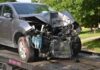
Riding a motorcycle gives you freedom on the road, but it also comes with unique risks. Even minor accidents can lead to serious injuries or expensive damage. That is where motorcycle injury legal support becomes essential, helping riders navigate the aftermath and protect their rights. Understanding how mechanical issues like a seized brake caliper contribute to accidents can keep you safer. Paying attention to your bike and knowing your legal options go hand in hand for responsible riding.
What a Brake Caliper Does
A brake caliper on a motorcycle squeezes the brake pads against the rotor to slow or stop the bike. It is a small but crucial part that controls how quickly your wheels respond when you pull the brake lever. Without a properly working caliper, your bike can feel unresponsive and unsafe on the road.
How a Motorcycle Caliper Gets Seized
Understanding why a caliper can seize helps you prevent serious problems on the road. There are a few common factors that can cause this issue, and knowing them makes maintenance much easier.
Rust and Corrosion
Exposure to rain, road salt, or moisture can cause rust to build up on the caliper and its components. Over time, this corrosion can make the piston or slide pins stick, preventing the caliper from moving freely.
Worn Seals and Piston Damage
The rubber seals inside a caliper keep brake fluid contained and allow the piston to move smoothly. If these seals wear out or the piston becomes damaged, it can seize in place, preventing the caliper from releasing properly.
Dirty or Contaminated Brake Fluid
Old or contaminated brake fluid can cause internal components to stick. Particles in the fluid or moisture buildup can create friction inside the caliper, making it harder for the brakes to function correctly.
Lack of Regular Maintenance
Calipers need periodic inspection and cleaning to stay in top condition. Skipping maintenance, especially after riding in wet or dirty conditions, increases the risk of a seized caliper developing over time.
What Drag Feels Like on a Motorcycle
When a caliper is sticking, your motorcycle can feel like it is dragging, even when you are not braking. The bike may take more effort to accelerate and might pull to one side unexpectedly. It can feel frustrating and tiring, like riding with one foot constantly on the brakes.
Why Drag Causes Excess Heat
When a caliper drags, the constant friction between the brake pads and rotor generates extra heat. This heat can warp the rotor, wear out the pads faster, and even affect the brake fluid. Over time, overheated brakes reduce stopping power and make riding less safe.
Signs Your Motorcycle Caliper May Be Seized
If you are wondering whether your caliper is causing problems, there are several warning signs to watch for. Paying attention to these symptoms can help prevent bigger issues and keep you safe on the road.
Pulling to One Side While Braking
If your bike drifts to one side when you apply the brakes, it could mean a caliper is sticking. This uneven braking puts extra strain on your tires and suspension and can make handling unpredictable.
Unusual Squealing or Grinding Sounds
When one of the calipers is stuck, it can result in continuous rubbing of the pads and rotor, thus creating squealing or grinding sounds. These noises, apart from being irritating, are signs of friction which can eventually injure your brake system.
Burning Smell After Riding
Overheating from a dragging caliper can create a noticeable burning odor. If you smell this after a short ride, it is a clear sign that something is causing excessive friction.
Uneven Brake Pad Wear or Warped Rotors
Check your brake pads regularly. If one pad is wearing faster than the other or the rotors appear warped, it often indicates a caliper that is not moving freely.
Reduced Performance and Engine Strain
A dragging caliper can make your bike harder to accelerate and reduce overall performance. You might notice the engine working harder than usual just to maintain normal speed.
How to Prevent or Fix a Seized Motorcycle Caliper
Keeping your calipers in good condition is key to safe and smooth riding. Regular attention and timely repairs can prevent drag, overheating, and expensive damage.
Regular Cleaning and Lubrication
Dirt and corrosion are the main reasons calipers stick, so cleaning them regularly helps prevent problems. Applying brake-safe lubricant to the slide pins and moving parts ensures the caliper operates smoothly.
Check and Replace Brake Fluid
Old or contaminated brake fluid can cause pistons to stick, reducing braking performance. Flushing and replacing the fluid according to your bike manufacturer’s schedule keeps the system working properly.
Inspect and Replace Worn Parts
Seals, pistons, and slide pins can wear out over time, leading to a seized caliper. Replacing these components as needed restores proper function and prevents drag from developing.
Professional Inspection for Persistent Issues
If you notice drag, uneven braking, or strange smells even after maintenance, it is a good idea to have a professional mechanic inspect your calipers. A trained eye can spot hidden problems and recommend the safest solution.
Proper Parking and Storage
Parking your bike in damp or salty environments can accelerate corrosion and sticking. Keeping your bike covered and checking the brakes after long periods of inactivity helps avoid caliper issues.
Conclusion
Keeping your brakes in top condition is essential for both safety and performance on the road. A seized caliper can create drag, generate excess heat, and increase the risk of accidents, which makes regular maintenance and timely repairs crucial. If an accident does happen, having access to motorcycle injury legal support can help you protect your rights and recover with confidence.
If you want to know about How Are Motorcycle Accident Settlements Determined in California? then visit Accidents Law category.