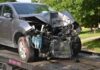
A crash on I-35 through central Austin can generate five separate legal problems before the tow truck leaves: which driver carries what percentage of responsibility, whether the at-fault policy has anywhere near enough coverage, whether a hospital has already attached a lien to the claim, whether the vehicle’s crash data will still exist next month, and whether a governmental entity is involved with a notice deadline measured in weeks rather than years.
Handling those problems is the actual work, and very little of it happens in a courtroom. It is why abogados de accidentes de auto de Austin spend most of their time on evidence preservation, insurance architecture and medical billing rather than on argument. This is a practical look at the Texas rules that decide these cases and where they most often go wrong.
The Deadlines That End Cases Before They Begin
Texas gives you two years from the date of the crash to file suit for personal injury under section 16.003 of the Civil Practice and Remedies Code. That is the deadline everyone knows, and it is rarely the one that causes the damage.
The dangerous deadlines are shorter and less visible. If a city vehicle, transit bus, or government contractor is involved, the Texas Tort Claims Act imposes a formal notice requirement, and many Texas municipal charters shorten the statutory six-month window dramatically, in some cities to a matter of weeks. Miss it and an otherwise strong claim can be dismissed on immunity grounds without anyone reaching the facts. Claims against governmental units also carry statutory damage caps far below what a serious injury costs.
Insurance policies impose their own clocks. Most require prompt notice of a claim and written consent before you settle with an at-fault driver. Settling with the other driver’s insurer for policy limits without your own carrier’s consent can void your underinsured motorist coverage entirely, which is often the larger source of money in the case.
Proving Fault Under the Texas 51 Percent Bar
Texas uses modified comparative responsibility under Chapter 33 of the Civil Practice and Remedies Code. Your recovery is reduced by your own percentage of responsibility, and if a jury assigns you more than 50 percent, you recover nothing at all. That cliff edge is why defense adjusters push comparative fault arguments so aggressively in Texas. Every percentage point they shift is money, and the twenty points between 45 and 55 percent are the whole case.
What the Crash Report Does and Does Not Do
The Texas Peace Officer’s Crash Report, form CR-3, is the starting document. It records the vehicles, drivers, insurance information, diagram, and the investigating officer’s view of contributing factors. It is genuinely useful for identifying parties and witnesses. It is not a determination of liability, and the officer’s opinion about who caused the crash is frequently excluded at trial as hearsay or unqualified opinion. A case built solely on a favorable police report is fragile.
Evidence With an Expiry Date
The evidence that actually decides disputed liability tends to disappear fastest. Business and residential camera footage is commonly overwritten within days or a few weeks. Vehicles at a salvage yard get crushed or sold. Commercial carriers retain driver logs and telematics only for defined periods.
Event data recorders add a Texas-specific wrinkle. State law restricts retrieval of recorded data from a vehicle’s data recorder without the owner’s consent or a court order, so the download that would settle a speed or braking dispute usually needs either cooperation or an order, and it needs the vehicle to still exist. This is why written preservation letters go out in the first days of a serious case, and why a party who destroys evidence after receiving one can face a spoliation instruction from the judge.
- Photographs of final rest positions, debris fields, skid marks and roadway sightlines before anything is cleared
- Names and mobile numbers of independent witnesses, taken at the scene rather than sought later
- Written preservation demands to the other vehicle owner, any commercial carrier and nearby businesses with cameras
- The full crash report plus any 911 audio and computer-aided dispatch records
- Vehicle inspection and download before repair, salvage or resale
- Your own treatment records showing consistent, documented symptoms from the first visit onward
Complex crashes on MoPac, US 183 or Ben White frequently involve chain reactions, disputed lane changes and construction zones, which means reconstruction experts rather than eyewitnesses. Reconstruction is only as good as the physical data preserved in the first month.
The Insurance Architecture Nobody Explains at the Scene
Most Texas crash recoveries are assembled from several coverages rather than paid by one. Knowing which layers exist changes both strategy and settlement value.
| Coverage | Who pays | Why it matters in a Texas case |
|---|---|---|
| Liability, at Texas minimum limits of 30/60/25 | The at-fault driver’s insurer | Minimum bodily injury limits are commonly exhausted by an emergency room visit and imaging alone, long before surgery is discussed |
| Uninsured and underinsured motorist | Your own insurer | Must be offered and rejected in writing, so many drivers have it without knowing; often the largest available layer |
| Personal injury protection | Your own insurer | Must be offered with a statutory minimum and rejected in writing; pays medical bills and a portion of lost wages regardless of fault |
| Medical payments coverage | Your own insurer | No-fault medical coverage, but unlike PIP it typically does not cover lost income |
| Umbrella or commercial policy | The at-fault party or their employer | Where a vehicle was used for work, employer liability and commercial policies can far exceed personal limits |
Underinsured motorist claims carry a peculiarity that surprises clients and some out-of-state lawyers. Under Texas Supreme Court authority, an underinsured motorist insurer generally owes nothing until the insured establishes the other driver’s liability and the amount of damages, which in practice means obtaining a judgment or reaching an agreement with the carrier on both points. A UIM claim is therefore often litigation against your own insurance company, not a claim form. Planning for that from the outset is the difference between a case that resolves and one that stalls.
Medical Bills, Liens, and What You Can Actually Recover
Texas limits recovery of medical expenses to amounts actually paid or incurred, which means the number on the hospital’s chargemaster bill is not the number a jury sees. Where health insurance paid a negotiated rate, that adjusted figure generally governs. This single rule reshapes case value and is a routine point of dispute over which billing records the defense gets to see.
Liens complicate the arithmetic further. Texas hospitals can perfect a statutory lien against a personal injury recovery for services provided shortly after a crash, and that lien attaches to the settlement rather than to the patient personally. Health plans, Medicare, Medicaid and employer-funded ERISA plans may assert reimbursement rights of their own, and federal plans in particular have strong recovery rights. A settlement figure that looks adequate can shrink substantially once liens are resolved, which is why negotiating them down is part of the lawyer’s job rather than an afterthought.
Gathering the right paperwork early makes all of this cheaper and faster; our guide to 5 Documents to Gather After a Car Accident covers the basic file every claimant should build in the first week.
How Cases Actually Resolve
Serious claims typically follow a sequence: treatment to a point of maximum improvement or a clear prognosis, assembly of a demand package with records and billing, negotiation, and suit only if the numbers do not close. Filing suit is not a failure of negotiation; frequently it is the mechanism that makes negotiation real, because it unlocks depositions and document discovery.
Texas provides one distinctive pressure point. Under the long-standing Stowers doctrine, an insurer that unreasonably rejects a demand within policy limits, where the claim is clearly liable and the damages exceed those limits, can be exposed to liability for the full judgment rather than just the policy amount. A properly framed limits demand therefore changes the insurer’s own risk calculation, which is why the drafting of that letter matters more than its length.
Cases involving commercial trucks follow a different track again, with statutory procedures allowing a defendant to separate the question of the driver’s negligence from claims about the company’s hiring and supervision. Louisiana and other neighboring states approach the same facts differently, and our coverage of what a judge takes into account after a New Orleans crash shows how much the governing state rules change the analysis.
Language Access Is a Case Issue, Not a Courtesy
A meaningful share of Austin claimants are more precise in Spanish than in English, and precision is the whole currency of an injury claim. Recorded statements taken in a second language produce ambiguities that adjusters later read as inconsistencies. Medical intake forms completed in a language the patient is uncomfortable in produce incomplete symptom histories, which then become the defense argument that the injury was not serious.
Working with a bilingual firm, and insisting on qualified interpreters for depositions and medical appointments rather than family members, removes an entire category of avoidable damage from a case. Where court proceedings require it, Texas has a licensing framework for court interpreters, and requesting one is a routine matter rather than an imposition.
Frequently Asked Questions
How long do I have to file a car accident claim in Texas?
Two years from the date of the crash for personal injury, under section 16.003 of the Civil Practice and Remedies Code. Shorter deadlines apply if a governmental entity is involved, where formal notice may be required within months or even weeks depending on the city charter. Insurance policies also impose their own notice and cooperation deadlines, which run from the crash rather than from when you decide to make a claim.
What if the accident was partly my fault?
You can still recover, provided your share of responsibility is 50 percent or less. Your damages are reduced by your percentage, so a 30 percent share of a 100,000 dollar verdict yields 70,000 dollars. If a jury assigns you 51 percent or more, you recover nothing. That threshold is why comparative fault is contested so heavily in Texas cases and why early evidence preservation matters.
The other driver had minimum insurance. Is that all I can get?
Often no. Texas minimum liability limits are low relative to serious injury costs, but additional layers frequently exist: your own underinsured motorist coverage, personal injury protection, medical payments coverage, and any commercial or umbrella policy if the at-fault driver was working. Identifying every applicable policy, including household policies you may not have considered, is one of the first tasks in the case.
Should I give the other insurer a recorded statement?
Not before getting advice. You are generally required to cooperate with your own insurer, but you have no obligation to give a recorded statement to the other driver’s carrier. Those statements are taken early, before a diagnosis exists, and are later used to argue that your injuries appeared too late or that you accepted partial blame. Decline politely and refer the request to your lawyer.
How much does an accident attorney cost in Austin?
Nearly all personal injury representation is on contingency, meaning a percentage of the recovery and no fee if there is no recovery. Percentages commonly step up if suit is filed. Read how case expenses such as filing fees, records, and expert costs are handled, whether they come off the top or after the fee, since that detail changes your net more than a point of percentage does.
What to Do in the First Week
Send preservation notices and get the vehicle inspected before it is repaired or sold. Everything else in a disputed liability case is recoverable later; physical evidence is not. In parallel, report the claim to your own insurer, ask them in writing to confirm your PIP, medical payments and underinsured motorist limits, and start a treatment record that is consistent from the first visit rather than beginning three weeks after the crash.
Then get the case evaluated before you speak to the other driver’s adjuster. For more on the practical steps that follow a collision, see our Accidents Law section, where the recurring lesson across every Car Accident claim is that the file you build in week one determines what the case is worth in year two.
This article is general information about Texas personal injury law and is not legal advice. Consult a licensed Texas attorney about your own situation.