Losing a vehicle due to repossession can be a stressful and overwhelming experience, especially when you depend on your car for daily transportation and responsibilities. Many people are unsure about what happens after repossession and often ask an important question: how soon can I get my repossessed car back?
The recovery time depends on several factors, including lender policies, state laws, the amount owed, and how quickly you take action after the repossession occurs. In most cases, borrowers are given a limited opportunity—known as a redemption or reinstatement period—to reclaim their vehicle by paying outstanding dues and related fees.
Understanding how the repossession process works, along with your legal rights and available recovery options, is essential for taking quick and informed action after a vehicle is repossessed. When borrowers know what steps to follow and what choices they have—such as reinstatement, redemption, or negotiation—they are in a much better position to respond promptly.
| Section | Summary |
| Topic Overview | Explains how soon you can get a repossessed car back depending on lender rules, state laws, and how quickly you act. |
| Car Repossession | Happens when a lender repossesses a vehicle due to missed loan payments; usually no court order is required. |
| Recovery Timeframe | Can range from a few hours to several weeks, depending on the lender’s response time and process. |
| Redemption Period | A limited time given to reclaim the car by paying overdue amounts, fees, or the full loan balance. |
| Typical Timeline | 24–48 hours (contact lender), a few days (arrangements), weeks (before auction), or after the sale (very difficult). |
| Ways to Get Car Back | Reinstatement of the loan, redemption (full payment), or negotiation with the lender. |
| Reinstatement Option | Pay missed payments and fees to restore the original loan agreement. |
| Redemption Option | Pay the full remaining loan balance plus repossession costs to regain ownership. |
| Negotiation Option | Payment plans, loan modifications, or hardship arrangements with the lender. |
| Fees Required | Includes outstanding payments, late fees, repossession fees, storage charges, and admin costs. |
| Vehicle Sale Timeline | Usually sold within days to a month if not reclaimed in time. |
| Personal Belongings | Personal items inside the car must be returned to the owner upon request. |
| Credit Impact | Repossession lowers credit score and affects future borrowing ability. |
| Illegal Repossession | Illegal if force, threats, unlawful entry, or breach of peace occurs. |
| Prevention Tips | Pay on time, communicate with the lender, save emergency funds, and refinance loans. |
How Soon Can I Get My Repossessed Car Back?
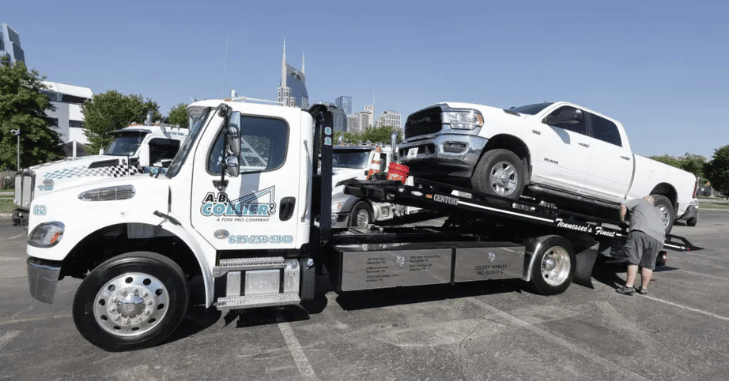
The amount of time it takes to get a repossessed car back depends on several factors, including your lender’s policies, state laws, the total amount you owe, and how quickly you respond after the repossession occurs. In many cases, lenders provide a limited redemption or reinstatement period during which you can recover your vehicle by paying missed payments, fees, or the remaining loan balance.
How Soon Can I Get My Repossessed Car Back? Acting immediately is crucial because the longer you wait, the greater the chance that the vehicle will be sold at auction. Understanding your rights and the repossession process can help you take the necessary steps to reclaim your car as quickly as possible and avoid additional financial consequences.
What Is Car Repossession?
Car repossession occurs when a lender takes back a vehicle because the borrower has failed to make required loan payments. Most auto loan agreements give lenders the legal right to repossess a vehicle after a payment default. In many cases, lenders do not need a court order before repossessing a vehicle, although they must follow specific legal procedures.
How Quickly Can You Get Your Repossessed Car Back?
The timeframe for recovering a repossessed vehicle varies. In some situations, you may be able to get your car back within a few hours or days after repossession. The key factor is how quickly you contact your lender and address the outstanding debt. Most lenders provide borrowers with a limited timeframe, commonly known as a redemption period, during which they can reclaim their repossessed vehicle before it is sold.
Typical Recovery Timeline
- Within 24–48 hours: Contact the lender immediately after repossession.
- Within a few days: Arrange payment or negotiate a reinstatement agreement.
- Within several weeks: Redeem the vehicle before it is sold at auction.
- After sale: Recovery becomes difficult or impossible once ownership transfers to another buyer.
Options for Getting Your Car Back

Reinstate the Loan
- Keeping the original loan agreement.
- Avoiding the need for a new loan.
- Regaining possession quickly.
Redeem the Vehicle
Redemption typically requires paying the entire remaining balance of the loan, plus fees associated with repossession and storage. This option may be expensive, but it immediately restores ownership rights and eliminates future loan payments.
Negotiate With the Lender
Possible negotiation options include:
- Payment plans
- Loan modifications
- Deferred payments
- Temporary hardship arrangements
Contacting the lender quickly often increases the likelihood of a favorable solution.
What Fees Must You Pay?
Recovering a repossessed vehicle usually requires paying more than just the missed car payments. Lenders often add several fees related to the repossession process, and these costs can increase the longer the vehicle remains in storage. Understanding these expenses can help you prepare financially and act quickly to reclaim your car before additional charges accumulate.
Outstanding Loan Payments
Late Fees
In addition to missed payments, lenders may charge late payment penalties as outlined in the loan agreement. These fees can add up quickly if multiple payments have been missed.
Repossession Fees

Repossession companies charge lenders for locating, recovering, and transporting the vehicle. These costs are typically passed on to the borrower and must be paid before the vehicle can be returned.
Storage Charges
After repossession, vehicles are usually stored in an impound lot or storage facility. Daily storage fees may apply, meaning the total cost increases for every day the vehicle remains unclaimed.
Administrative Costs
Some lenders also charge administrative expenses, including paperwork processing fees, notification costs, legal expenses, and other charges associated with managing the repossession. The longer you wait to address the repossession, the higher these fees may become. Acting promptly can help reduce costs and improve your chances of getting your vehicle back before it is sold.
Can You Recover Personal Belongings?
- Clothing
- Electronics
- Documents
- Child seats
- Tools
How Repossession Affects Your Credit?
Potential consequences include the following:
- Lower credit score
- Difficulty obtaining future loans
- Higher interest rates
- Negative credit report entries for several years
Taking quick action may help minimize long-term financial damage.
When Is a Repossession Illegal?
A repossession is illegal when the lender or repossession agent fails to follow proper legal procedures or violates consumer rights during the vehicle retrieval process. Although lenders have the right to repossess a car after a loan default, they must do so peacefully and within the bounds of state law. Any use of force, threats, forced entry into locked or secured property, or actions that disturb public peace can render the repossession unlawful and potentially subject it to challenge in court.
Preventing Future Repossession
- Make payments on time.
- Communicate with lenders during financial hardship.
- Build an emergency savings fund.
- Refinance high-interest loans when possible.
- Review loan terms before signing agreements.
Conclusion
How Soon Can I Get My Repossessed Car Back? The time it takes to recover a repossessed car depends largely on how quickly you respond and the options available under your loan agreement and state laws. Acting immediately after repossession gives you the best chance of reclaiming your vehicle through reinstatement, redemption, or negotiation with your lender.
However, delays can lead to additional fees and increase the risk that the vehicle will be sold at auction, making recovery much more difficult or impossible. By understanding the repossession process, staying in contact with your lender, and knowing your legal rights, you can take the right steps to minimize financial loss and regain control of your situation as efficiently as possible.
Want to know about How Wapner Newman Is Continuing to Champion Injury Victims Through Award-Winning Advocacy Check out our Legal Advice category.
FAQs
In many cases, you can get your repossessed car back within a few hours to a few days if you act quickly. The exact time depends on your lender’s policies, state laws, and how fast you respond after repossession.
A redemption period is a limited timeframe given by the lender during which you can reclaim your vehicle by paying overdue payments, repossession fees, storage charges, or the full remaining loan balance.
Yes, you can still recover your car after repossession as long as it has not been sold. Once it is sold at auction, getting it back becomes very difficult or impossible.
The cheapest option is usually reinstating the loan by paying missed payments, late fees, and repossession charges instead of paying the full remaining loan balance.
Yes, repossession negatively impacts your credit score and can remain on your credit report for several years, making it harder to get loans or credit in the future.