


Rules are everywhere in science. Every lab, every test, every product must follow them. It is not only about quality. It is about safety and trust. Scientific businesses handle sensitive materials. They deal with data, chemicals, and research that affects lives. So, staying within the law is not a choice. It is a duty. Technology makes that easier and smarter.
Staying Within the Lines
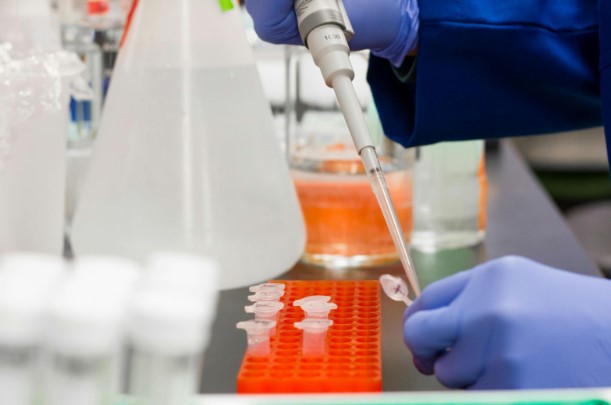
Every lab has tools that help keep things in check. Some use a fluorescence microscope to study samples. Others rely on software that tracks results and materials. These tools do more than help research. They also help businesses follow rules.
Modern labs face strict rules about safety and accuracy. Mistakes can cause harm or damage reputations. Technology brings order to that chaos. It keeps records. It tracks samples. It makes sure that every step of a process can be reviewed. A microscope or a digital tracking system does not forget. It records exactly what happens. That kind of detail matters when laws require proof.
Digital Records That Build Trust
Paper records can get lost or altered. Digital systems solve that. They store information safely and keep it easy to find. That means less risk of missing data or facing legal trouble.
Regulatory bodies often ask for detailed proof of testing or validation. With the right tech, a business can pull up results in seconds. Time stamps, data logs, and automated reports make the process smooth. It also builds trust with partners and regulators. They can see that the company takes compliance seriously.
Good data management also protects against internal issues. It helps teams stay aligned and transparent. When all work is recorded, it is easier to fix errors or retrace steps. This kind of structure keeps labs clean and honest.
Safer Work Environments
Scientific businesses deal with complex equipment and risky materials. One small mistake can lead to big problems. Technology reduces that risk. Sensors, smart monitors, and lab automation can spot issues before they turn into hazards.
For example, a temperature control system can warn staff if a freezer fails. A safety monitor can detect gas leaks. These systems do not sleep or lose focus. They protect people and property by responding faster than humans can.
Safety compliance rules require that every lab keeps detailed safety measures. Tech tools make that easy. They record every alert, every fix, and every update. That data is proof of compliance. It also gives managers peace of mind.
Simplifying Audits and Inspections
No business likes audits, but they are a part of science. Inspectors check how a company follows laws and maintains standards. Without good systems, audits can be stressful and time-consuming.
Technology changes that. Digital tracking systems, lab software, and automated logs make everything visible. Auditors can check data without digging through piles of paper. It also helps staff answer questions clearly and confidently.
Read More: What Makes a Law Firm Truly Client-Friendly in the Digital Age
When records are well-kept, inspections move faster. That saves time and stress. It also shows that the business runs with precision and accountability. Tech does not only make compliance easier. It makes it visible.
Keeping Research Ethical
Ethics are a major part of science. Laws are not only about safety but also fairness and respect. Businesses that deal with human or animal testing face strict ethical standards. Technology helps manage those standards.
Automated approval systems ensure no test begins without consent or review. Digital checklists make sure all ethical steps are followed. Data encryption protects privacy. It keeps sensitive information safe from leaks or misuse.
With technology, businesses can document every step of an ethical process. That prevents mistakes that could damage reputations or break laws. It also shows commitment to doing the right thing.
Data Security and Legal Protection
In science, data is gold. It holds results, ideas, and trade secrets. Losing it can be disastrous. Protecting it is not only good practice but also a legal requirement. Many regulations now focus on data security.
Modern systems protect data through encryption and secure access. Cloud platforms add backups that prevent loss. Tracking software shows who accessed what and when. That helps stop data misuse and supports transparency.
When a problem happens, a strong security system also protects the business legally. It shows that every possible step was taken to protect information. That can make a big difference in legal reviews or investigations.
Technology as a Compliance Partner
In the past, compliance meant paperwork and manual checks. Now, it means automation and integration. Tech tools have become compliance partners. They track changes, check quality, and even alert teams when something seems off.
Some systems can link directly to government databases. They verify licenses or export restrictions automatically. Others monitor environmental standards. This reduces human error and keeps the company within safe legal boundaries.
By treating technology as a partner, scientific businesses save time and protect their reputation. They can focus more on research and less on red tape. Compliance becomes a part of the workflow, not an extra task.
The Future of Lawful Science
As technology keeps advancing, compliance will get even easier. Artificial intelligence will soon predict risks before they happen. Automation will handle routine legal tasks. Data systems will grow smarter and more secure.
Still, the goal will stay the same. Laws protect people, and technology helps uphold those laws. The combination of good tools and skilled teams creates a responsible future for science. It also helps the industry move faster without cutting corners.
For scientific businesses, staying law-abiding is not just about avoiding fines. It is about integrity. It is about showing the world that innovation can grow safely and ethically. And technology is the steady hand that makes it possible.
Apart from that if you want to know more about How to Negotiate a Commercial Lease Like a Pro then visit our Business Law category.







