


You may create traffic, launch campaigns, and fail to have consistent cases. The issue is not effort; it is structure. Most law firms spend a lot of money on marketing, but the outcome remains inconsistent due to the lack of a single system where strategy, targeting, messaging, and intake are connected. Consequently, leads are received in an irregular manner, costs are increased, and conversion gaps are hard to detect.
Meanwhile, uncoordinated actions cause tension throughout the client experience. Prospects will click, browse, and quit without acting on it since each action is not coordinated. Thus, to achieve predictable growth, it is important to develop a structured, repeatable system.
This article describes the process of developing a scalable system that continuously produces and transforms high-quality personal injury cases.
1. Build Strategy-Led Foundation Instead of Chasing Tactics
To get steady personal injury leads, you must get beyond the occasional tactics and concentrate on a systematic approach. Without a clear direction, running ads or enhancing SEO can result in a disjointed outcome. Thus, the initial step is to define a clear base that would connect marketing with business objectives.
Begin by determining your most valuable types of cases. Not every case is equal in terms of revenue generation, and your system should therefore give priority to those that yield the highest revenue. Simultaneously, establish specific quantifiable targets like cost per lead, cost per signed case, and conversion rates at each funnel step.
Besides, chart the entire client experience. Learn the process by which a prospective customer passes through initial awareness to ultimate engagement. This clarity makes sure that all marketing activities are made to contribute to a specific direction, instead of working alone.
Without this strategic layer, even strong campaigns fail to scale. But as soon as you have an understanding of your foundation, each decision will be more focused and measurable.
2. Focus on High-Value Case Targeting for Better Efficiency
Source
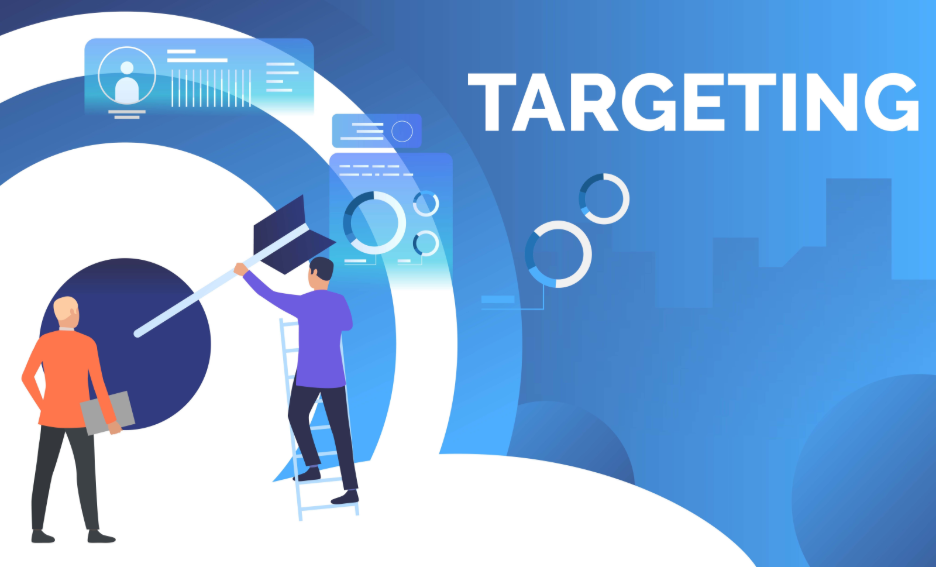
Once you have a solid base, the next thing is to fine-tune your targeting strategy. Most companies are trying to create as many leads as possible, but quantity does not lead to growth. Scalability rather relies on enticing the correct cases on a regular basis.
To do this, divide your audience by intent, case type, and potential value. For example, a person who needs quick legal assistance following an accident will exhibit a higher degree of urgency than a person who is doing general research on the law. Thus, you will need to differentiate these behaviors with your system and focus on high-intent prospects.
Additionally, utilize data to make decisions. Evaluate the campaigns, keywords, and channels that result in not only leads but also signed cases. This will enable you to better allocate resources and remove underperforming segments.
Consequently, your marketing will be more efficient. Instead of adding money to achieve growth, you enhance targeting accuracy, resulting in superior opportunities and better results.
3. Create Clear Differentiation and Build Trust Across Every Touchpoint
Despite the good targeting, conversions will be uneven when your message is not clear and credible. Clients in personal injury cases are under pressure when making decisions, and therefore, trust plays a very important role in whether they will choose your firm or not.
To begin with, establish what makes your firm unique. Generic messaging becomes part of the market and does not establish a significant relationship. Rather, make your distinctive strengths evident, be it case experience, results, or a specialized approach.
Next, reinforce that message with proof. Client reviews, testimonials, and case outcomes are very important in diminishing hesitations. When the potential clients witness steady signs of success, confidence is boosted, and decision-making becomes simpler.
Meanwhile, be consistent in all channels. There should be consistency in your message on your site, advertisements, and messaging. When every touchpoint is disconnected, it undermines trust and minimizes conversion potential.
Therefore, differentiation is not just about standing out. It has a direct effect on the effectiveness of your system in converting interest to action.
4. Build Full-Funnel System That Connects Every Stage
Source
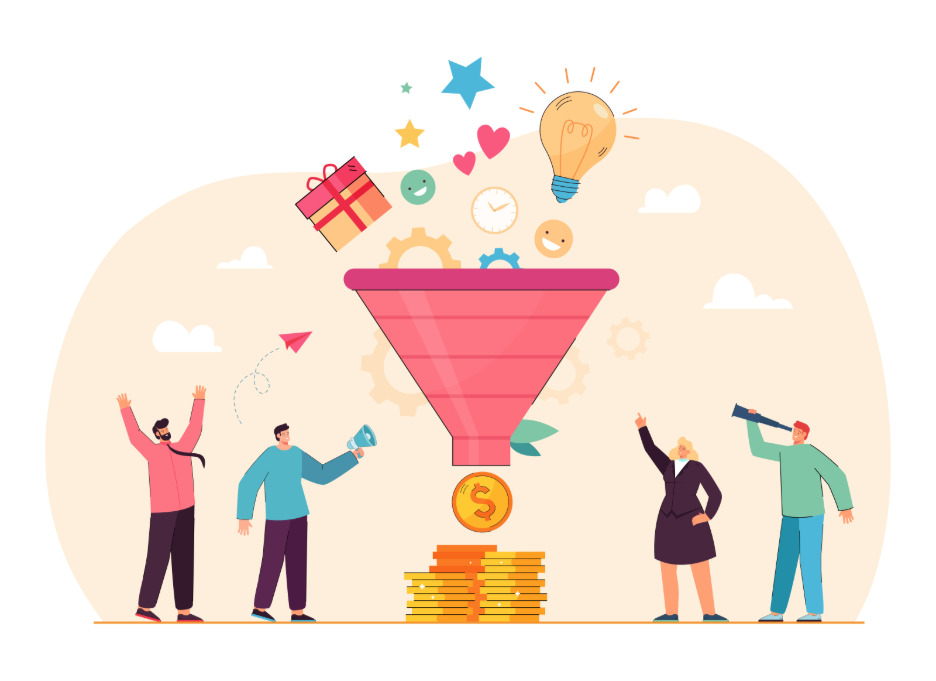
A scalable system requires more than generating awareness. It must guide prospects through each stage of the journey in a structured and measurable way. However, many firms focus only on top-of-funnel activities, which leads to inconsistent results.
To solve this, design a full-funnel system that includes awareness, consideration, and conversion. At the top, your goal is to attract the right audience through targeted campaigns. In the middle, you nurture interest by providing clear, relevant information that addresses concerns and builds confidence. Finally, at the bottom, you create a seamless path for prospects to take action.
In addition, ensure that each stage is connected. For example, the messaging used in your ads should align with your landing pages, and your landing pages should guide users toward a clear next step. This continuity reduces friction and improves overall performance.
Furthermore, track performance at each stage. Identify where prospects drop off and optimize those areas continuously. This approach transforms your funnel into a predictable system rather than a series of disconnected efforts.
Conclusion
Building a scalable system for personal injury lead generation requires more than increasing marketing activity. It demands a structured approach that connects strategy, targeting, messaging, funnel design, and intake into a unified framework.
When each component is aligned, performance becomes predictable. You gain clarity on what drives results, improve efficiency across every stage, and create a system that supports consistent case acquisition.
Ultimately, the goal is not just to generate leads but to build a system that converts them reliably. When executed correctly, this approach transforms your marketing into a long-term growth engine that delivers sustainable and measurable success.
If you want to know about How Do Personal Injury Attorneys Deal With Insurance Companies? 3 Tactics Explained then visit our Accidents Law category.







