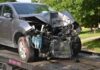
In a car accident injury claim, the crash report is one of the best pieces of evidence you can gather. A police report is the official record of what occurred. It allows you to establish the facts of the accident and helps you claim compensation.
There are several ways to file a crash report in case of an accident. If you understand how this report can help your case and use it accordingly, it can make a big difference in your claim outcome.
Why the Crash Report Matters
A more in-depth version of a car accident report documents key details about the accident, including.
- The date, time, and location of the crash.
- The names and contact information of everyone involved.
- Vehicle descriptions and insurance information.
- Weather, lighting, and road conditions.
- The officer’s observations or preliminary fault assessment
The incident report presents a neutral narrative of the event, which is often used for the evaluation of insurance and legal matters. When you are making an injury claim, a crash report that is clear and accurate can help you.
How Insurance Companies Use Crash Reports
Insurance adjusters rely on the crash report in their decisions about who may be responsible and how much to pay. They cross-check the information in the report against your statements, medical bills, and repair estimates. For example, if the officer said the other driver ran a red light, that statement supports your case for negligence.
If the report contains mistakes or misses key facts, it might undermine your argument. This means that you should review your accident report as quickly as possible to correct mistakes.
How to Obtain Your Crash Report
In the event of an accident, law enforcement officers file the report electronically with the relevant state agency responsible for maintaining traffic records. You can obtain a copy online, in person, or through the mail once the report is processed.
The small fee is worth it. Keeping the paperwork handy helps your lawyer and the insurance company review the incident and makes sure your version of events matches the incident report.
Using the Crash Report to Support Your Claim
- Proving Fault.
The report contains the opinion of the investigating officer on who caused the accident. Though not always legally enforceable, it serves as compelling evidence while negotiating with insurers.
- Supporting Witness Statements.
Crash reports often contain the names of witnesses and their statements. This could help back up your version of events should fault be contested.
- Documenting Injuries and Damage.
If the officer noticed any visible injuries on you or damage to your car, you may have a stronger claim.
- Establishing a Timeline.
The time and date stamped in the crash report will help you verify when the crash occurred. This will help you connect the accident to medical records or missing work.
How an Attorney Can Help
A personal injury attorney with a wealth of experience understands how to interpret and use a crash report. Lawyers help individuals find what evidence is relevant in their matter. They quickly identify inconsistencies and find crucial evidence.
Moreover, they will use the officer’s notes to get higher compensation for your medical expenses, lost income, and pain and suffering. If the insurance company disagrees on fault, your lawyer can call the responding officer or witnesses to testify, which reinforces your credibility.
Key Takeaways
- The official record of your accident, your crash report, helps prove fault.
- Before using any evidence in your injury claim, review it for accuracy.
- Save a copy for yourself and forward a copy to your lawyer and insurance adjuster.
- Correct errors quickly to avoid confusion or claim delays.
- Make use of the report so that injuries, property damage, and financial losses relate to the accident.
Knowing how to manage your crash report the right way can go a long way in safeguarding your rights and ensuring that your injury claim tells the right story.
Apart from that, if you want to know more about Product Liability vs. Driver Negligence in Self-Driving Car Crashes, then visit our Accidents Law category.