In January 2023, Illinois passed one of the most comprehensive state-level assault weapons bans in the United States. Known as the Illinois Assault Weapons Ban, the legislation marked a major shift in Illinois’s approach to gun policy, motivated by growing concerns about mass shootings, gun violence, and public safety.
The law restricts the possession, sale, and transfer of a broad category of semi-automatic firearms, large-capacity magazines, and related accessories. The ban has generated both praise and criticism. Supporters view it as a necessary measure to reduce gun violence and protect communities.
While opponents argue that it infringes on Second Amendment rights and imposes complex compliance requirements on firearm owners. Its enforcement and legal challenges continue to shape debates over the role of state authority in regulating firearms and the balance between public safety and constitutional rights.
| Aspect | Key Details |
| Law Name | Protect Illinois Communities Act (PICA) / Illinois Assault Weapons Ban |
| Enacted | January 10, 2023 |
| Purpose | Regulate high-risk firearms, prevent mass shootings, and enhance public safety |
| Trigger Events | High-profile mass shootings, especially the 2022 Highland Park Independence Day parade |
| Firearms Covered | Semi-automatic rifles, pistols, and shotguns with military-style features; explicitly named models like AR-15 and AK-47 |
| Magazine Limits | Bans magazines holding more than 10 rounds for rifles, 15 rounds for handguns; pre-existing owners must register |
| Accessories | Prohibits conversion devices or accessories that increase the rate of fire |
| Grandfathering & Registration | Pre-ban owners must register firearms and magazines through the Illinois FOID system; noncompliance leads to penalties |
| Enforcement & Penalties | Unauthorized possession: Class A misdemeanor; illegal sale/manufacture: Class 2 or 3 felony; registration violations criminalized |
| State Litigation | Challenged under the Illinois Constitution; upheld by the Illinois Supreme Court |
| Federal Litigation | Faces Second Amendment challenges; some provisions temporarily blocked, ongoing appellate cases |
| Public Reaction | Supporters cite public safety and mass shooting prevention; opponents claim Second Amendment infringement and compliance complexity |
| Impact | Landmark state-level initiative; shapes national debate on gun rights, public safety, and state vs. federal authority in firearm regulation |
| Ongoing Considerations | Federal court rulings may set precedent for other states; compliance and registration continue to be a challenge for firearm owners |
Illinois Assault Weapons Ban

The Illinois Assault Weapons Ban, enacted through the Protect Illinois Communities Act in January 2023, represents one of the most comprehensive state-level efforts to regulate high-risk firearms in the United States. The law specifically targets military-style semi-automatic rifles, pistols, and shotguns that possess certain tactical.
In addition to restricting these firearms, the legislation also regulates high-capacity magazines and other accessories that enhance rapid-fire capability. The ban was largely prompted by high-profile mass shootings, most notably the 2022 Highland Park Independence Day parade tragedy, which underscored the dangers posed by easily accessible assault-style weapons.
Beyond prohibiting certain firearms, the law imposes stringent registration requirements and enforcement mechanisms to close loopholes that previously allowed firearms to evade regulation due to minor design differences or technicalities. While upheld under Illinois state law, the ban continues to face federal legal challenges testing its compatibility with the Second Amendment.
Origins and Legislative Background
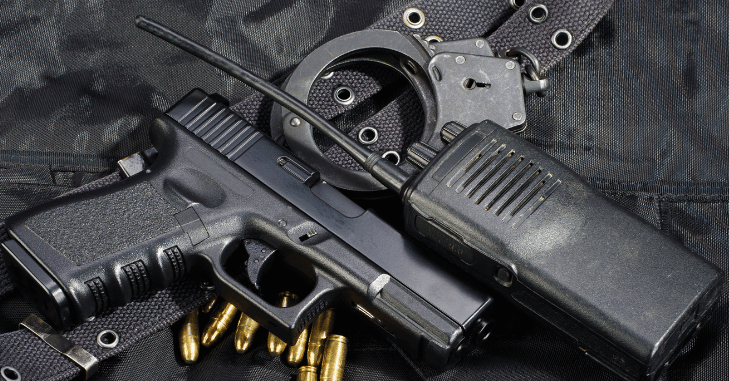
- The push for an assault weapons ban in Illinois gained momentum after high-profile mass shootings highlighted the risks of military-style firearms.
- A key trigger was the 2022 Highland Park Independence Day parade shooting, where a legally purchased AR-style rifle killed and injured multiple people.
- This tragedy emphasized the urgent need for state lawmakers to act, sparking bipartisan discussion on stricter firearm regulations.
- Governor J.B. Pritzker signed the Protect Illinois Communities Act into law on January 10, 2023, marking a major policy shift.
- The law expanded existing gun regulations by targeting specific firearms, accessories, and magazines linked to rapid-fire capabilities.
- It established strict registration requirements and enforcement measures to ensure compliance.
Key Provisions of the Ban
Assault Weapons Defined
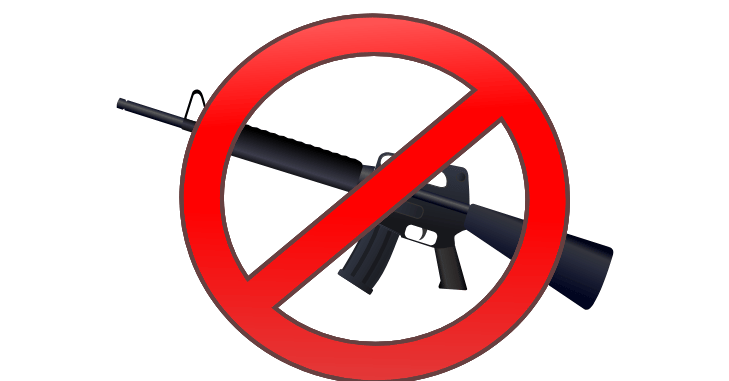
The Illinois Assault Weapons Ban broadly defines assault weapons to include semi-automatic rifles with detachable magazines and certain military-style features, such as pistol grips, telescoping stocks, flash suppressors, or forward grips. It also covers semi-automatic pistols with tactical characteristics like threaded barrels or large-capacity magazines.
Large-Capacity Magazines
The law bans magazines holding more than 10 rounds for rifles and 15 rounds for handguns. Owners of these magazines prior to the law’s effective date are allowed to keep them if they comply with mandatory registration and reporting deadlines. This provision is intended to limit rapid-fire capability while recognizing pre-existing ownership.
Accessories and Conversion Devices
The legislation also regulates certain firearm accessories and devices capable of converting weapons into ones with prohibited features, including items that increase the rate of fire. This includes commonly referred to “switches” or similar modifications.
Grandfathering and Registration
Owners of assault weapons and restricted magazines lawfully possessed prior to the ban are required to register them through Illinois’s Firearm Owner’s Identification (FOID) system by a specified deadline. Failure to register can result in criminal penalties, though the law provides a grace period for compliance.
Enforcement and Penalties
The Protect Illinois Communities Act includes strict enforcement provisions:
- Unauthorized possession of a banned firearm is a Class A misdemeanor, carrying potential jail time and fines.
- Manufacturing, selling, or transferring banned firearms or accessories without compliance can result in Class 2 or Class 3 felony charges, involving significant prison time and monetary penalties.
- Violations of registration or reporting requirements can also lead to criminal liability, making compliance essential for firearm owners.
Legal Challenges

State-Level Litigation
Immediately after enactment, multiple lawsuits challenged the ban under the Illinois Constitution. Opponents argued that the law violated equal protection and other state constitutional provisions. However, the Illinois Supreme Court upheld the ban, confirming that it was legally enforceable under state law.
Federal Lawsuits
The law has also faced federal challenges under the Second Amendment. Gun rights advocates argue that the ban prohibits commonly used firearms for lawful purposes like self-defense and exceeds state authority by restricting arms traditionally protected under constitutional precedent.
A federal district court initially ruled parts of the law unconstitutional, issuing a permanent injunction, though enforcement remained temporarily stayed pending appeal. Illinois has continued to defend the law at the appellate level, keeping the ban in effect during litigation.
Public Reaction and Compliance

Supporters of the law argue that it is a necessary public safety measure aimed at preventing mass shootings and reducing gun violence. They cite the importance of limiting access to firearms designed for rapid-fire and high-capacity use, which pose a disproportionate risk in public settings.
Opponents claim the law infringes on constitutional rights and may criminalize law-abiding firearm owners. Compliance issues, such as delays in registration portals and confusion about deadlines, have caused frustration among gun owners.
Impact and Ongoing Debate
- The Illinois Assault Weapons Ban is a landmark state-level initiative aimed at regulating high-risk firearms.
- The law has been upheld under Illinois state law.
- Ongoing federal litigation is testing its constitutionality under the Second Amendment.
- The outcomes of these federal cases could set legal precedents for similar legislation in other states.
- The law influences the national debate on gun rights, public safety, and the balance of state versus federal authority in firearm regulation.
Conclusion
The Illinois Assault Weapons Ban, through the Protect Illinois Communities Act, represents one of the most comprehensive state initiatives to regulate military-style firearms and high-capacity magazines. By imposing restrictions on assault weapons, mandating registration, and enforcing strict penalties, Illinois aims to enhance public safety and curb gun violence.
The law’s passage, enforcement, and legal challenges reflect the tension between protecting communities and safeguarding constitutional rights, highlighting the complex dynamics of modern firearms regulation in the United States.
Want to know about Reckless Driving Charge: Full Guide to Causes, Legal Definition, Penalties, License Suspension, Fines, Jail Time, Insurance Impact, and How Lawyers Fight the Case Check out our Criminal Law category.
FAQs
The Illinois Assault Weapons Ban, enacted as the Protect Illinois Communities Act (PICA) in January 2023, restricts the possession, sale, and transfer of military-style semi-automatic rifles, pistols, and shotguns, as well as large-capacity magazines and certain firearm accessories, to enhance public safety and prevent mass shootings.
The law was largely prompted by high-profile mass shootings, particularly the 2022 Highland Park Independence Day parade, which highlighted the risks of easily accessible assault-style weapons. It aims to reduce gun violence, regulate high-risk firearms, and close loopholes in existing firearm regulations.
Owners of firearms and magazines covered by the ban that were legally possessed before the law’s enactment must register them through Illinois’s Firearm Owner’s Identification (FOID) system.
The ban has been upheld under Illinois state law but faces ongoing federal litigation under the Second Amendment. Opponents argue that it infringes on constitutional rights, while supporters maintain it is necessary for public safety.
Supporters praise the law as a critical step toward reducing gun violence and protecting communities. Critics, however, argue it infringes on Second Amendment rights and imposes complex compliance requirements on firearm owners, sparking debate over the balance between public safety and constitutional protections.