


JUUL Labs, Inc. has become a lightning rod for legal scrutiny and public outrage in recent years. Once celebrated as a revolutionary step forward in the fight against traditional smoking, JUUL’s sleek, modern design and appeal to younger users soon drew the wrong kind of attention.
Behind the polished marketing and sleek packaging was a product that many claim carries hidden dangers. As a result, JUUL has been inundated with a wave of class action lawsuits across the United States, with plaintiffs alleging deceptive marketing and health hazards.
In this expanded article, we’ll unpack the full story behind the JUUL class action lawsuit, its development over time, the mounting legal consequences, and what it all means for consumers, corporations, and the vaping industry.
| Category | Details |
|---|---|
| Lawsuit Name | JUUL Class Action Lawsuit |
| Defendants | JUUL Labs, Inc. and Altria Group, Inc. |
| Main Allegations | Misleading advertising, targeting minors, failing to disclose nicotine risks |
| Plaintiffs | Consumers who purchased JUUL products (especially minors) |
| Eligibility Criteria | U.S. residents who purchased JUUL products before December 7, 2022 |
| Settlement Amount | $300 million |
| Settlement Purpose | To compensate consumers for misleading marketing and health consequences |
| Proof of Purchase | Not required, but increased payout if provided |
| Weight of Claims | Higher for underage purchasers |
| Claim Deadline | July 14, 2023 |
| Payout Distribution | Began in October 2024 |
| Number of Claims | Over 842,000 valid claims approved |
| Payout Range | From a few hundred to several thousand dollars per claimant |
| Court Involvement | U.S. District Court for the Northern District of California |
| Admission of Guilt | No admission of wrongdoing by JUUL or Altria |
| Impact | Raised awareness of e-cigarette risks and youth-targeted marketing |
Juul Class Action Lawsuit
The JUUL class action lawsuit arose from allegations that JUUL Labs, Inc. and its investor, Altria, misled consumers about the safety and addictiveness of their e-cigarette products, particularly targeting minors through deceptive marketing practices.
In response to these allegations, JUUL and Altria agreed to a combined settlement of $300 million to resolve the class action lawsuit. This settlement aimed to compensate individuals who purchased JUUL products before December 7, 2022.
Eligible claimants could receive varying amounts based on factors such as the total amount spent on JUUL products and whether proof of purchase was provided. Notably, purchases made by individuals under 18 were given higher weight in the settlement calculations.
Background: The Meteoric Rise of JUUL
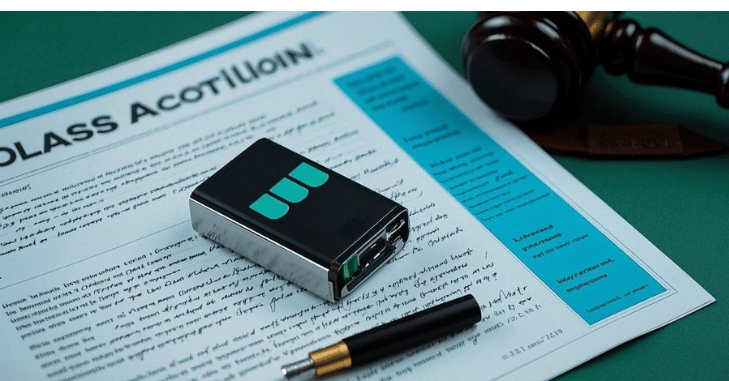
The JUUL device, resembling a USB flash drive, was compact, easy to use, and available in a variety of sweet and fruity flavors. It quickly caught on among younger audiences, and its convenience and aesthetic appeal made it a cultural phenomenon, especially among high school and college students.
However, as teen vaping rates surged alongside growing concern from parents, teachers, and healthcare providers, the backlash against JUUL gained momentum. What had started as a harm-reduction tool for smokers turned into a public health concern of epidemic proportions.
Allegations Against JUUL: Misleading the Masses
The lawsuits filed against JUUL revolve around a central theme: that the company knowingly engaged in marketing tactics that appealed to underage consumers and downplayed the risks associated with their product. Among the main allegations:
JUUL marketed its products to minors using vibrant colors, trendy imagery, and social media influencers. The company failed to clearly disclose that its pods contained high concentrations of nicotine, more than what is found in an entire pack of cigarettes.
JUUL presented its product as a safe or safer alternative to smoking without sufficient scientific evidence. The firm did not warn consumers about the addictive potential and other possible health risks of using its e-cigarettes.
Legal Developments and Multibillion-Dollar Settlements
JUUL has faced legal action on multiple fronts, from individuals who became addicted to school districts burdened by vaping-related disciplinary issues to state attorneys general seeking compensation for public health damages.
That agreement came alongside a broader $438.5 million deal with 39 states and territories, in which JUUL committed to stricter marketing guidelines and transparency.
These settlements, while significant, are just part of JUUL’s ongoing legal entanglements. The company remains under investigation by various federal and state agencies and faces ongoing regulatory scrutiny from the Food and Drug Administration (FDA).
The Role of Scientific Research in the JUUL Litigation
Another significant aspect of the JUUL litigation has been the growing body of scientific research examining the long-term effects of vaping. While e-cigarettes were initially promoted as a less harmful alternative to traditional tobacco products, researchers have raised concerns about the impact of nicotine exposure on adolescent brain development, respiratory health, and addiction risks. Findings from public health studies were frequently referenced throughout legal proceedings, strengthening arguments that consumers deserved clearer information about potential health consequences.
Impact on JUUL, the Vaping Industry, and the Regulatory Landscape
The wave of lawsuits has led to major changes within JUUL’s operations. The company has eliminated most flavored pods from its U.S. market, suspended wide-scale advertising, and undertaken internal restructuring.
Moreover, the JUUL controversy has catalyzed broader changes within the vaping industry. The FDA has increasingly cracked down on unauthorized vaping products and continues to evaluate their safety and efficacy.
Consumer Rights, Corporate Responsibility, and Future Implications
At the heart of the JUUL lawsuits is a powerful message about consumer rights and corporate ethics. The backlash against JUUL shows that companies cannot prioritize profits over public health without consequences.
Moving forward, this legal saga could lead to transformative changes in how the vaping industry operates. More responsible advertising, transparent labeling, and rigorous safety testing may become the new standard.
Ongoing Regulatory Reforms and the Future of Vaping Litigation
Following the JUUL class action settlement, regulatory bodies have intensified their oversight of the entire e-cigarette industry, introducing stricter pre-market approval requirements and enhanced monitoring of nicotine delivery products.
Authorities are now focusing on preventing similar public health disputes by enforcing clearer labeling standards, tighter restrictions on flavored products, and more rigorous age-verification systems for online sales.
At the same time, new litigation strategies are emerging, with law firms increasingly targeting not only manufacturers but also distributors and retail platforms involved in vaping product sales. These developments indicate that vaping-related legal battles are likely to evolve into a more complex regulatory and corporate accountability landscape in the coming years.
Conclusion
The JUUL class action lawsuit is more than just a legal battle; it’s a watershed moment in the fight for public health and consumer protection. JUUL’s rise and fall represent the complexities of innovation in the wellness sector.
The lawsuits have illuminated the dark side of a product that promised to do good but ultimately did harm to many. As the dust settles from multibillion-dollar settlements and public investigations, the future of JUUL and the e-cigarette industry remains uncertain.
Yet one thing is clear: consumers are more informed, the law is more vigilant, and companies are held to a higher standard. Whether this leads to a safer, more ethical vaping landscape will depend on the actions taken from here on out.
FAQs
The lawsuit alleges that JUUL Labs and its investor, Altria, misled consumers, particularly minors, by marketing their e-cigarettes as safe and less addictive, despite knowing the health risks and high nicotine content.
Anyone who purchased JUUL products in the United States before December 7, 2022, was potentially eligible to file a claim. This included adults and minors, with special consideration given to underage purchasers.
Payments varied based on how much a claimant spent on JUUL products and if they provided proof. Claims involving underage use were given greater weight in calculating compensation.
Approved payments began being distributed in October 2024. Many users reported receiving checks or digital payments ranging from $300 to over $1,000.







