Common Categories of Civil Claims in Louisiana
Unexpected accidents can change lives in an instant. If you or a loved one has suffered an injury in Baton Rouge, you know the challenges firsthand. Medical bills, lost wages, and emotional stress can feel overwhelming. Navigating the legal system after such an event can add another layer of difficulty.
Finding the right legal help is crucial during these difficult times. You need clear advice and strong support to protect your rights. We understand the importance of making informed choices when seeking justice.
This guide aims to simplify the process. We will explore common types of personal injury cases in Baton Rouge. We will also cover how legal claims work and what to look for in a skilled attorney. Our goal is to help you understand your options and find the best path forward.
Baton Rouge, with its bustling economy and strategic location along the Mississippi River, unfortunately, sees its share of accidents and incidents leading to personal injury claims. Understanding the most common categories of civil claims can help individuals recognize when they may have a valid case and require legal assistance. These claims typically arise from situations where one party’s negligence or wrongful action causes harm to another.
One of the most frequent types of personal injury cases we encounter involves motor vehicle accidents. This broad category includes car wrecks, motorcycle accidents, and particularly, 18-wheeler collisions. The sheer volume of traffic on major arteries like Jefferson Highway and Essen Lane, combined with the presence of large commercial vehicles, makes these incidents all too common. Accidents involving commercial trucks often result in catastrophic injuries due to the immense size and weight disparities between the vehicles. The complexities of these cases often involve federal trucking regulations, corporate liability, and extensive evidence gathering.
Given Baton Rouge’s industrial backbone, industrial accidents also form a significant portion of personal injury claims. The presence of numerous chemical plants, refineries, and manufacturing facilities means that workers and sometimes even nearby residents are exposed to inherent risks. These accidents can range from chemical spills and explosions to machinery malfunctions and falls, leading to severe burns, traumatic brain injuries, and even wrongful death. Such cases often involve intricate investigations into workplace safety protocols, regulatory compliance, and equipment defects. Firms with a proven track record in these complex areas have secured significant personal injury recoveries for victims, highlighting the critical need for specialized legal expertise.
Another unique aspect of Louisiana’s legal landscape is maritime law, or admiralty law. With its proximity to the Gulf of Mexico and extensive waterways, Baton Rouge sees cases involving offshore accidents, recreational boating incidents, and injuries sustained by maritime workers. These claims fall under a distinct body of law, such as the Jones Act or general maritime law, which can differ significantly from state personal injury statutes.
Medical malpractice claims arise when healthcare professionals or institutions fail to provide the accepted standard of care, leading to patient injury or death. These cases are notoriously complex, requiring expert medical testimony and a deep understanding of both medical procedures and legal precedents. Examples include surgical errors, misdiagnoses, birth injuries, and medication errors.
Product liability is another crucial area. When a defective or unreasonably dangerous product causes injury, the manufacturer, distributor, or retailer can be held accountable. This can involve anything from faulty vehicle parts to unsafe consumer goods or pharmaceutical drugs. Proving a product is defective and directly caused an injury requires extensive research, expert analysis, and often, class-action litigation.
Premises liability cases cover injuries that occur on someone else’s property due to unsafe conditions. This includes slip and fall accidents in stores, restaurants, or private residences, as well as injuries resulting from inadequate security, poor maintenance, or hazardous obstacles. The key to these cases is proving that the property owner knew or should have known about the dangerous condition and failed to address it.
Finally, and tragically, wrongful death claims represent cases where a person’s death is caused by the negligence or wrongful act of another. These claims are brought by the surviving family members to seek compensation for their losses, including funeral expenses, lost financial support, and emotional suffering. Wrongful death cases can stem from any of the aforementioned accident types, from car crashes on Government Street to industrial incidents.
Each of these categories presents its own set of legal challenges, requiring specific knowledge, investigative resources, and litigation experience. For individuals in Baton Rouge facing the aftermath of such incidents, understanding these common claims is the first step toward seeking justice and appropriate compensation.
Navigating Personal Injury and Litigation in Louisiana
The journey through a personal injury claim in Louisiana, particularly in a busy legal hub like Baton Rouge, can be a multi-faceted and often lengthy process. It begins long before a courtroom is ever considered and involves meticulous preparation, strategic negotiation, and, if necessary, robust litigation. Understanding this process is key for anyone seeking justice after an injury.
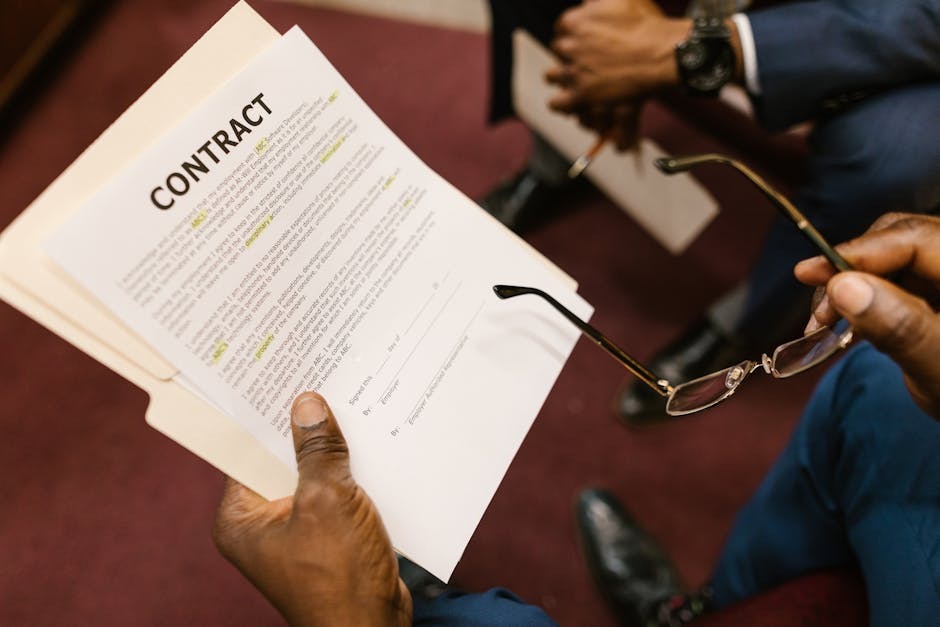
The typical process for a personal injury claim in Baton Rouge generally unfolds in several stages:
- Initial Consultation and Case Evaluation: This is the very first step. After an accident, you would typically consult with a personal injury attorney. During this free consultation, we would discuss the details of your accident, your injuries, and the impact on your life. We assess the viability of your claim, identify potential at-fault parties, and explain your legal options. This stage involves gathering initial information like police reports, medical records, and any photographs or witness statements you might have.
- Investigation and Evidence Gathering: Once a case is accepted, a thorough investigation begins. This is a critical phase where we meticulously collect all relevant evidence. This can include obtaining detailed medical records and bills, accident reports, surveillance footage, witness statements, expert opinions (e.g., accident reconstructionists, medical specialists), and employment records to document lost wages. The strength of your case heavily relies on the quality and quantity of evidence collected during this stage.
- Demand Letter and Negotiation: With sufficient evidence, we prepare a comprehensive demand letter outlining the facts of the accident, the extent of your injuries, and the damages you’ve incurred (medical expenses, lost wages, pain and suffering). This letter is sent to the at-fault party’s insurance company. This initiates the negotiation phase, where we engage in discussions with the insurance adjusters to reach a fair settlement. Many personal injury cases in Baton Rouge are resolved at this stage without the need for a lawsuit.
- Filing a Lawsuit (Litigation): If settlement negotiations fail to produce a satisfactory offer, or if the insurance company denies liability, the next step is often to file a formal lawsuit. This involves drafting and filing a “complaint” with the appropriate court, such as the Baton Rouge District Court. The complaint outlines your claims against the defendant(s). A “summons” is then served on the defendant, officially notifying them of the lawsuit and requiring a “defendant response,” typically within a specified timeframe. Failure to respond can sometimes lead to a “default judgment” in favor of the plaintiff.
- Discovery Process: This is often the most time-consuming phase of litigation. “Discovery” is a formal process where both sides exchange information and evidence relevant to the case. It involves:
- Interrogatories: Written questions that must be answered under oath.
- Requests for Production of Documents: Demands for specific documents, such as medical records, insurance policies, and communication logs.
- Depositions: Out-of-court sworn testimony taken from parties and witnesses, providing an opportunity to assess credibility and gather information.
- Requests for Admissions: Written requests asking the other party to admit or deny certain facts.
- Mediation or Arbitration: Before a trial, many courts in Louisiana encourage or require alternative dispute resolution methods like mediation or arbitration. In mediation, a neutral third party facilitates discussions between the parties to help them reach a mutually agreeable settlement. Arbitration is more formal, where a neutral arbitrator hears evidence and makes a decision, which can be binding or non-binding.
- Trial: If all attempts at settlement and alternative dispute resolution are unsuccessful, the case proceeds to trial. This involves presenting evidence, examining and cross-examining witnesses, and making legal arguments before a judge or jury. The “burden of proof” lies with the plaintiff to demonstrate that the defendant’s negligence caused their injuries and damages.
- Judgment, Verdict, and Appeals: If the trial results in a favorable “jury verdict” or “judgment” from the judge, the defendant may be ordered to pay compensation. However, the losing party often has the right to appeal the decision to a higher court. The process concludes with the “final resolution,” which could be a settlement, a trial verdict, or an appellate decision.
Navigating these stages requires not only a deep understanding of Louisiana law but also strategic thinking, strong negotiation skills, and a willingness to advocate fiercely in court.
Evidence Gathering in Personal Injury and Litigation
The cornerstone of any successful personal injury claim in Baton Rouge, or anywhere else, is robust evidence. Without compelling evidence, even the most legitimate injury can fail to secure the compensation it deserves. The process of gathering and preserving this evidence is meticulous and often begins immediately after an accident.
One of the first pieces of evidence to secure is the traffic report or police report if the accident involved a motor vehicle. These reports, often generated by the Baton Rouge Police Department or Louisiana State Police, provide an official account of the incident, including details about the parties involved, witness information, and sometimes an initial assessment of fault. While not always admissible as direct evidence of fault in court, they are invaluable for investigation.
Medical records are paramount. These documents detail the nature and extent of your injuries, the treatment you’ve received, and the associated costs. This includes emergency room reports, diagnostic test results (X-rays, MRIs, CT scans), physician’s notes, physical therapy records, and prescriptions. It’s crucial to document all medical care, as gaps in treatment can be used by defense attorneys to argue that injuries were not severe or were unrelated to the accident.
Witness testimony can provide crucial third-party accounts of the accident. Identifying and contacting witnesses promptly is essential, as memories fade and people move. Sworn statements or depositions from eyewitnesses can corroborate your version of events and counter opposing claims.
Visual evidence, such as surveillance footage from nearby businesses on Siegen Lane or Florida Street, or even personal photos and videos taken at the scene, can be incredibly powerful. These visual aids can show the sequence of events, the extent of vehicle damage, hazardous conditions on a property, or the immediate aftermath of an injury. We always advise clients to take photos and videos at the scene if they are able, documenting everything from vehicle positions to visible injuries and road conditions.
In complex cases, accident reconstruction experts may be employed. These specialists use scientific principles and data from the scene (skid marks, vehicle damage, debris fields) to recreate the accident, providing expert testimony on how the incident occurred and who was at fault. This is particularly common in severe car, truck, or industrial accidents.
Beyond these, other forms of evidence include:
- Employment records and pay stubs to prove lost wages and diminished earning capacity.
- Property damage estimates and repair bills for vehicles or other damaged items.
- Expert testimony from vocational rehabilitation specialists, economists, or life care planners to project future medical costs and lost earnings.
- Product specifications and recall notices in product liability cases.
- Maintenance logs and inspection reports in premises liability or industrial accident cases.
The thoroughness of evidence gathering directly impacts the strength of a personal injury claim. It’s a proactive process that requires expertise to identify, collect, and preserve all relevant information, building a compelling case for compensation.
Strategic Approaches to Personal Injury and Litigation
Once evidence is gathered and the legal process is underway, the strategic approaches employed by legal counsel become paramount. In Baton Rouge, as in any legal jurisdiction, effective personal injury and litigation strategies blend negotiation, preparation, and, when necessary, aggressive courtroom advocacy.
Mediation is a frequently utilized strategic approach in Louisiana. This involves a neutral third-party mediator who facilitates discussions between the injured party and the defendant (or their insurance company). The mediator does not make decisions but helps both sides explore common ground and potential settlement options. This can be a highly effective way to resolve disputes without the time, expense, and uncertainty of a trial, allowing for a more amicable and controlled outcome.
Settlement negotiations are ongoing throughout the pre-litigation and litigation phases. These involve direct communication and bargaining with the opposing party’s legal representation or insurance adjusters. Our strategy here is to leverage the gathered evidence, legal precedents, and our client’s damages to demonstrate the strength of their case and the potential risks for the defense if the case proceeds to trial. The goal is to secure a fair and comprehensive settlement that fully compensates our client for their losses.
When a settlement cannot be reached, the focus shifts to trial preparation. This is an intensive phase that involves:
- Developing a compelling narrative: Crafting a clear, persuasive story of what happened and its impact on the client.
- Witness preparation: Coaching witnesses on how to effectively present their testimony.
- Exhibit preparation: Organizing and presenting evidence in a clear and impactful manner.
- Legal research and motion practice: Preparing legal arguments and filing motions (e.g., motions to exclude certain evidence, motions for summary judgment).
Courtroom readiness is a critical component. This encompasses not only the legal arguments but also the ability to present them effectively, to connect with a jury, and to anticipate and counter the opposing side’s strategies. A lawyer’s demeanor, communication skills, and confidence in the courtroom can significantly influence the outcome.
A motion for judgment, such as a motion for summary judgment, can be a powerful strategic tool. This motion asks the court to rule in favor of one party without a full trial, arguing that there are no genuine issues of material fact in dispute and that the moving party is entitled to judgment as a matter of law. If granted, it can resolve the case entirely or narrow the issues for trial.
If a case proceeds to trial, the objective is to secure a favorable jury verdict or judge’s decision. This requires presenting a clear, coherent, and legally sound case that convinces the fact-finder of the defendant’s liability and the extent of the plaintiff’s damages. Post-verdict, the strategy may involve enforcing the legal enforcement of the judgment or defending against appeals, ensuring that the client receives the compensation awarded. Each step in this strategic process is carefully planned, with the ultimate goal of achieving the best possible outcome for our clients.
Understanding Compensation and Damage Recovery
When an individual suffers a personal injury due to another’s negligence in Baton Rouge, one of the primary objectives of a legal claim is to recover compensation for the harm endured. This compensation, known as “damages,” is typically categorized into several types, each addressing different aspects of the victim’s losses. Understanding these categories is crucial for grasping the full scope of what can be recovered.
The most straightforward category of damages is economic damages. These are quantifiable financial losses that can be objectively calculated and proven with documentation. They include:
- Medical Bills: This covers all costs associated with medical treatment, including emergency room visits, hospital stays, doctor’s appointments, surgeries, medications, physical therapy, rehabilitation, and assistive devices. Crucially, economic damages can also include the projected costs of future medical care that may be necessary due to the long-term effects of the injury.
- Lost Wages: If the injury prevents you from working, you can claim compensation for income lost during your recovery period. This also extends to loss of earning capacity, which accounts for potential future income you may lose if your injury permanently impairs your ability to work or forces you into a lower-paying job.
- Property Damage: In cases like car accidents, this covers the cost of repairing or replacing damaged property, such as your vehicle.
- Other Out-of-Pocket Expenses: This can include costs for transportation to medical appointments, necessary home modifications (e.g., wheelchair ramps), or hiring help for household tasks you can no longer perform due to your injury.
Beyond these tangible financial losses, personal injury law recognizes the profound impact an injury can have on a person’s life that isn’t easily quantified. These are known as non-economic damages:
- Pain and Suffering: This is a broad category that compensates for the physical pain and discomfort caused by the injury, both past and future. It also includes the emotional distress, anguish, anxiety, and mental suffering that often accompany serious injuries.
- Loss of Quality of Life/Enjoyment of Life: If your injury prevents you from participating in hobbies, recreational activities, or daily routines you once enjoyed, you can seek compensation for this diminished enjoyment of life. This could include inability to play with children, participate in sports, or engage in social activities.
- Disfigurement and Scarring: Permanent physical alterations that impact self-esteem and social interactions can also be compensated.
- Loss of Consortium: In cases of severe injury or wrongful death, a spouse may claim damages for the loss of companionship, affection, and intimate relations with their injured or deceased partner.
While less common, punitive damages may be awarded in Louisiana in cases where the defendant’s conduct was particularly egregious, reckless, or malicious. Unlike economic and non-economic damages, which aim to compensate the victim, punitive damages are intended to punish the wrongdoer and deter similar conduct in the future.
The process of calculating and proving these damages requires careful documentation, expert testimony, and skilled legal advocacy. Insurance companies often try to minimize the value of non-economic damages, making it essential to have experienced legal representation that can effectively articulate the full impact of an injury on a victim’s life. Our objective is always to ensure that our clients receive comprehensive compensation that truly reflects all their losses, allowing them to focus on recovery and rebuilding their lives.
Criteria for Selecting Legal Representation in Baton Rouge
Choosing the right personal injury lawyer in Baton Rouge is a pivotal decision that can significantly impact the outcome of your case. With numerous legal professionals available, understanding the key criteria for selection is essential to ensure you secure competent and compassionate representation.
One of the foremost considerations is the attorney’s experience and specialization. Look for lawyers who primarily focus on personal injury law, as this indicates a deep understanding of the relevant statutes, legal precedents, and procedural rules in Louisiana. The number of years in practice can be an indicator of experience, but it’s equally important to consider their experience with cases similar to yours, whether it’s a car accident, industrial injury, or medical malpractice claim.
A critical indicator of a lawyer’s effectiveness is their track record. While past results do not guarantee future outcomes, a history of successful significant personal injury recoveries and favorable jury verdicts demonstrates their capability to navigate complex legal challenges. During consultations, inquire about their past settlements, trial wins, and how they approach different types of cases.
Reputation and peer ratings offer valuable insights into a lawyer’s standing within the legal community. Prestigious accolades such as an AV Peer Review Rating from Martindale-Hubbell signify the highest levels of legal ability and ethical standards, as determined by their peers. Similarly, inclusion in lists like Super Lawyers or Best Lawyers in America© is based on a rigorous, peer-influenced, and research-driven selection process, identifying the top percentages of attorneys in the state. These ratings are not just marketing tools; they reflect a lawyer’s professional excellence and integrity.
Effective client communication and a client-centered approach are paramount. You should feel comfortable discussing sensitive details of your case, and your attorney should be responsive, provide clear explanations of legal complexities, and keep you informed about the progress of your case. An attorney who prioritizes your well-being and is genuinely invested in your recovery will make a significant difference during a stressful time. Many law firms in Baton Rouge, including those with offices near Florida Street, emphasize this personalized attention.
Understanding the fee structure is also vital. Most personal injury lawyers in Baton Rouge operate on a contingency fee basis. This means you pay no upfront legal fees, and the attorney’s payment is contingent upon winning your case. If they don’t secure a settlement or judgment for you, you typically owe them nothing for their services. This arrangement allows injured individuals, regardless of their financial situation, to access high-quality legal representation.
Finally, consider the attorney’s ethical standards and professional history. A lawyer’s integrity is as important as their legal skill. Disciplinary records, if any, can be checked through the Louisiana State Bar Association. You want an attorney who will represent you with honesty and professionalism.
By carefully evaluating these criteria, you can make an informed decision and select a personal injury lawyer in Baton Rouge who is not only highly skilled but also a trusted advocate committed to fighting for your rights and securing the justice you deserve.
Frequently Asked Questions about Baton Rouge Legal Claims
Navigating the aftermath of a personal injury in Baton Rouge inevitably leads to numerous questions about the legal process. Here, we address some of the most common inquiries to provide clarity for those considering a personal injury claim.
The timeline for a civil lawsuit in Baton Rouge can vary significantly, ranging from a few months to several years, depending on the complexity of the case, the severity of injuries, and the willingness of parties to settle.
Pre-Litigation (Investigation & Negotiation): This initial phase, where evidence is gathered and settlement negotiations occur, can last anywhere from 3 to 12 months. Simpler cases with clear liability and minor injuries might settle quickly. Complex cases, especially those involving catastrophic injuries or disputed liability, require extensive investigation and may take longer.
Litigation (After Lawsuit is Filed): Once a lawsuit is filed, the discovery process (exchanging information, depositions) typically takes 6 to 18 months. During this time, motions may be filed, and mediation or arbitration sessions might occur.
Trial: If a case goes to trial, the trial itself can last from a few days to several weeks. However, trials are relatively rare; most cases settle before reaching this stage.
Appeals: If either party appeals the trial’s outcome, the appellate process can add another 1 to 2 years to the overall timeline.
Factors such as the number of parties involved, the extent of damages, the availability of witnesses, the court’s docket, and the tactics of the opposing counsel all influence the duration. We strive to move cases efficiently while ensuring thorough preparation to maximize our clients’ recovery.
Contingency fee agreements are the standard for personal injury cases in Baton Rouge and throughout Louisiana, offering a crucial advantage to injured plaintiffs. Here’s how they work:
No Upfront Costs: As a plaintiff, you typically pay no attorney fees out-of-pocket at the beginning of your case. This means you don’t have to worry about hourly rates or retainer fees, making legal representation accessible regardless of your financial situation.
Payment is Contingent on Success: The attorney’s fee is “contingent” upon successfully recovering compensation for you, either through a settlement or a court award. If we don’t win your case, you generally owe us nothing for our legal services.
Percentage of Recovery: If the case is successful, the attorney receives a pre-agreed percentage of the total settlement or judgment. This percentage is typically between 33.3% and 40%, but it can vary based on whether the case settles before or after a lawsuit is filed, or if it goes to trial.
Case Expenses: In addition to the attorney’s fee, there are “case expenses” (e.g., court filing fees, deposition costs, expert witness fees, medical record retrieval). These expenses are usually advanced by the law firm and then reimbursed from the settlement or award before the attorney’s percentage is calculated, or sometimes after the percentage is taken, depending on the agreement.
This fee structure aligns the attorney’s interests directly with yours: we are motivated to achieve the best possible outcome because our compensation depends on it. It also ensures that justice is not denied to those who cannot afford traditional legal fees.
Louisiana follows a system of pure comparative negligence (also known as pure comparative fault) in personal injury cases. This legal principle dictates how damages are awarded when both the plaintiff (the injured party) and the defendant (the at-fault party) are found to share some degree of fault for the accident.
Here’s how it works:
Apportionment of Fault: In a pure comparative negligence system, the court or jury will determine the percentage of fault attributable to each party involved in the accident. For example, if you were injured in a car accident, and the jury finds the other driver 80% at fault and you 20% at fault for contributing to the accident (perhaps by speeding slightly), your damages will be adjusted accordingly.
Reduction of Damages: Your total awarded damages will be reduced by your assigned percentage of fault. So, if your total damages were determined to be $100,000, but you were found 20% at fault, you would only be able to recover $80,000 (a 20% reduction).
Recovery Even if Mostly at Fault: A key aspect of pure comparative negligence is that you can still recover damages even if you are found to be mostly at fault (e.g., 90% at fault). In such a scenario, your damages would be reduced by 90%, but you would still recover the remaining 10%. This differs from modified comparative negligence systems where recovery is barred if the plaintiff’s fault exceeds a certain threshold (e.g., 50% or 51%).
Understanding comparative negligence is crucial in Louisiana because it directly impacts the amount of compensation you can receive. Insurance companies and defense attorneys will often try to assign a higher percentage of fault to the injured party to reduce their payout. Our role is to protect your interests, meticulously investigate the accident, and present compelling arguments to minimize any assigned fault to you, maximizing your recovery.
Conclusion
Experiencing a personal injury in Baton Rouge can be a profoundly disruptive event, impacting your physical health, financial stability, and emotional well-being. However, understanding your legal rights and the avenues available for seeking justice can empower you during such challenging times. The Baton Rouge community is served by dedicated legal professionals who are prepared to advocate on your behalf.
From navigating the complexities of motor vehicle accidents on busy roadways to addressing the unique challenges of industrial and maritime incidents, effective legal representation is indispensable. The journey through a personal injury claim, encompassing thorough case preparation, meticulous evidence gathering, strategic negotiations, and, if necessary, rigorous courtroom litigation, demands expertise and commitment.
Our aim is to guide you through this intricate process, ensuring that you comprehend each step, from the initial consultation to the final resolution. By choosing an attorney with a proven track record, strong ethical standards, and a client-centered approach, you can gain a powerful ally in your pursuit of fair compensation. You do not have to face these challenges alone. Seeking experienced legal counsel is the first crucial step towards protecting your rights and securing the justice you deserve.
If you want to know about Small Claims Attorney, check out our Legal Advice category.