


Understanding the Lisinopril Lawsuit
The Lisinopril lawsuit has drawn national attention as more patients step forward claiming serious health complications linked to one of the world’s most prescribed blood pressure medications. Lisinopril, one of the most widely prescribed medications for high blood pressure and heart failure, has recently come under legal and medical scrutiny.
Across the United States, numerous patients have filed Lisinopril lawsuit claims, alleging that prolonged use of the drug caused serious side effects such as kidney damage, liver problems, and severe allergic reactions.
The legal complaints mainly target the drug’s manufacturers, alleging that they failed to warn patients and healthcare professionals about potential long-term risks. Victims claim that the companies prioritized profits over patient safety, leading to multiple class action and individual lawsuits seeking justice and compensation.
Lisinopril Lawsuit Summary
| Category | Details |
|---|---|
| Drug Name | Lisinopril |
| Brand Names | Prinivil, Zestril |
| Drug Type | ACE Inhibitor (Angiotensin-Converting Enzyme Inhibitor) |
| Chemical Formula | C21H31N3O5 |
| Molecular Weight | 405.5 g/mol |
| Main Use | Treats high blood pressure and heart failure |
| Mechanism of Action | Relaxes blood vessels to improve circulation |
| Common Dosage | 2.5 mg – 40 mg daily (as prescribed) |
| Primary Benefits | Reduces blood pressure, prevents strokes, and improves heart function |
| Common Side Effects | Cough, dizziness, headache, and fatigue |
| Severe Side Effects | Kidney damage, liver issues, and angioedema |
| High-Risk Patients | Those with kidney disease, diabetes, or dehydration |
| Legal Issue | Allegations of failure to warn about serious side effects |
| Type of Lawsuit | Product liability and class action claims |
| Plaintiffs’ Claims | Manufacturers knew or should have known about kidney risks |
| Defendants | Pharmaceutical companies producing or distributing Lisinopril |
| Regulatory Authority | U.S. Food and Drug Administration (FDA) |
| FDA Status | No recall, but under safety review |
| Potential Compensation | Medical expenses, lost wages, and pain & suffering |
| Evidence Required | Prescription proof, medical reports, and expert testimony |
| Legal Representation | Drug injury or pharmaceutical attorney |
| Filing Deadline | Usually 1–3 years (varies by state) |
| Current Status | Ongoing investigations and new claims emerging |
| Goal of Lawsuit | Seek justice for victims and promote stronger drug safety standards |
What Is Lisinopril and Why Is It Prescribed?
Lisinopril is an ACE inhibitor (Angiotensin-Converting Enzyme inhibitor). It is primarily prescribed to manage high blood pressure (hypertension), heart failure, and to improve survival rates after a heart attack.
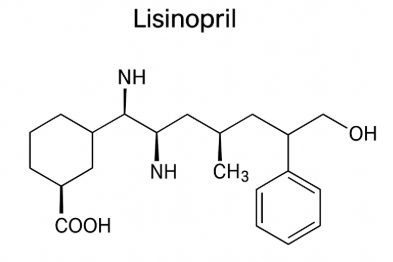
Lisinopril Chemical Formula and Structure
- Chemical Formula: C₂₁H₃₁N₃O₅
- Molecular Weight: 405.50 g/mol
- Drug Class: ACE Inhibitor
- Type: Synthetic peptide derivative of lysine
Lisinopril Structure
It relaxes blood vessels to improve blood flow, lower blood pressure, and reduce heart strain. Sold under brands like Prinivil and Zestril, it’s popular for its effectiveness and affordability. However, long-term use has been linked to serious health issues, leading to nationwide lawsuits over insufficient safety warnings and manufacturer negligence.
Common and Severe Side Effects of Lisinopril

Like most prescription medications, Lisinopril can cause side effects. While mild symptoms such as cough, fatigue, and dizziness are common, lawsuits center on severe and life-threatening complications that some patients developed after years of use.
Severe Side Effects Include:
- Kidney damage or kidney failure
- Liver dysfunction or elevated liver enzymes
- Swelling of the face, lips, or throat (angioedema)
- Severe allergic reactions
- High potassium levels (hyperkalemia)
- Chronic cough and respiratory distress
Victims argue that they were not adequately warned about these potential complications and that some medical professionals were unaware of the full scope of risks associated with long-term use.
How the Lisinopril Lawsuits Began

The Lisinopril lawsuits emerged after medical studies began linking the drug to kidney-related injuries and long-term organ damage. Reports indicated that ACE inhibitors might reduce blood flow to the kidneys, leading to decreased function over time.
Patients who experienced severe side effects filed claims alleging that the pharmaceutical companies knew or should have known about these risks but failed to provide sufficient warnings. As more cases surfaced, class-action lawsuits were filed, allowing multiple victims to join forces and seek justice collectively.
Class Action vs. Individual Lawsuits

Class Action Lawsuit
A class action lawsuit groups many plaintiffs into a single case. This type of lawsuit is ideal when numerous people experience similar injuries or side effects from the same drug. It simplifies legal proceedings and ensures that all affected individuals can share in any settlement or judgment.
Individual Lawsuit
An individual lawsuit, on the other hand, allows one patient to file a separate claim for damages. While it may take longer, victims with more severe health complications, such as kidney failure, dialysis, or organ transplants, often pursue individual cases to seek higher compensation amounts.
Kidney Damage Claims and Medical Evidence

A key issue in the Lisinopril lawsuits is kidney damage. Experts say ACE inhibitors can disrupt kidney function, especially in people with diabetes or prior kidney problems. Prolonged Lisinopril use has led to chronic kidney disease or renal failure, often requiring dialysis or transplants. Attorneys claim manufacturers failed to warn users despite existing scientific evidence of these risks.
Who Qualifies to File a Lisinopril Lawsuit?

Not every Lisinopril user qualifies for legal action. To file a lawsuit, patients generally must meet the following requirements:
- Have taken Lisinopril for an extended period as prescribed.
- Suffered from severe side effects such as kidney failure, liver damage, or severe allergic reactions.
- Possess medical records proving a direct link between the drug and their condition.
- Experienced financial losses, such as hospital bills, lost wages, or reduced quality of life.
A qualified pharmaceutical injury lawyer can review medical evidence, establish liability, and help determine whether the case should be filed individually or as part of a class action.
Steps to File a Lisinopril Lawsuit

If you or a loved one has been affected by Lisinopril, the legal process generally includes these steps:
- Consult a Drug Injury Attorney – Find a lawyer specializing in pharmaceutical lawsuits.
- Gather Medical Documentation – Collect prescriptions, medical test results, and doctors’ statements.
- Evaluate Your Claim – Determine whether your case qualifies for an individual or class action lawsuit.
- File the Lawsuit – Your lawyer will prepare the necessary legal documents outlining your claims.
- Exchange Evidence (Discovery) – Both sides present medical and expert testimony.
- Negotiate Settlement or Proceed to Trial – Many cases are resolved through settlements before reaching court.
Potential Compensation for Victims

Successful Lisinopril lawsuits may result in compensation covering:
- Medical expenses (treatments, hospital stays, medications)
- Lost wages and reduced earning potential
- Pain and emotional suffering
- Permanent disability or long-term health care
- Wrongful death compensation (for deceased victims)
The settlement amount depends on the severity of injury, medical proof, and the strength of the case against the manufacturer.
Legal Updates and Future Outlook
As of 2025, law firms continue to review new Lisinopril lawsuit claims as more patients report kidney and liver issues. The FDA faces pressure to update its warnings about the long-term risks. If the court finds that ACE inhibitor manufacturers hid known dangers, significant settlement payouts could follow, as in past pharmaceutical cases.
Conclusion
The growing wave of Lisinopril lawsuits highlights a critical issue within the pharmaceutical industry: the need for transparency, accountability, and consumer safety. While Lisinopril has been effective in treating high blood pressure for millions, the potential risks cannot be ignored, especially for those who have experienced irreversible kidney or liver damage.
If you or someone you know has experienced serious side effects from Lisinopril, contact a drug injury attorney right away. A lawyer can review your case, collect medical evidence, and guide you through the legal process for compensation. As more cases emerge, the Lisinopril lawsuit is pushing for greater accountability and transparency from drug manufacturers, helping protect patients and improve medication safety in the future.
Apart from that, if you want to know more about Can Bars Be Sued for Drunk Driving Accidents then visit our Accidents Law category.
Frequently Asked Questions (FAQs)
Lisinopril is primarily prescribed to treat high blood pressure (hypertension), heart failure, and to improve survival after a heart attack. It relaxes blood vessels, allowing smoother, more efficient circulation.
Patients are filing lawsuits claiming that long-term use of Lisinopril caused kidney damage, liver issues, and other severe side effects. They argue that manufacturers failed to provide sufficient warnings about these risks.
Anyone who experienced severe side effects, especially kidney or liver damage, after taking Lisinopril may qualify to file a lawsuit or join a class action claim.







