As the North Carolina economy transforms into a national hub for logistics and distribution, the physical toll on those moving cargo remains significant. If you have suffered a debilitating strain or a machinery accident on the job, securing a specialized warehouse injury lawyer in North Carolina is often the necessary path to ensure the state’s complex legal system works in your favor. These industrial environments present unique hazards, from high-speed forklifts to the repetitive stress of heavy lifting, requiring a legal advocate who understands the specific risks inherent to modern fulfillment centers.
Navigating the North Carolina Workers’ Compensation Act requires a strategic approach to counter the tactics often used by insurance carriers to minimize your recovery. Whether you are facing a herniated disc from overexertion or a crush injury from falling objects, the law provides specific protection for injured laborers. Securing professional representation ensures that the focus remains on your physical recovery and financial stability rather than the interests of large corporations or their insurers.
Key Takeaways
- The North Carolina Workers’ Compensation Act operates on a no-fault basis, allowing injured warehouse employees to secure medical benefits and wage replacement without proving employer negligence.
- Claimants must strictly adhere to procedural requirements, including notifying the employer in writing within 30 days and correctly filing Form 18 with the North Carolina Industrial Commission to prevent claim denials.
- Injured workers can pursue third-party liability claims against equipment manufacturers or maintenance contractors in addition to workers’ compensation to recover damages for pain, suffering, and long-term financial loss.
- Specialized legal representation is essential to counter insurance carrier tactics, interpret complex medical evidence, and ensure that settlements account for the full extent of long-term disabilities and future medical needs.
North Carolina Workers Compensation Act Protections
The North Carolina Workers’ Compensation Act serves as a vital safety net for warehouse employees who sustain injuries while working in high-speed distribution centers. Under the North Carolina General Statutes, this system operates on a no-fault basis, meaning an injured worker does not need to prove employer negligence to qualify for medical benefits and wage replacement. This legal framework is administered by the North Carolina Industrial Commission, which oversees the rigorous filing requirements and deadlines that claimants must meet to protect their rights. For those facing the physical and financial toll of a workplace accident, understanding these statutory protections is the first step toward securing the recovery you deserve.
Navigating the requirements of the Industrial Commission requires precise adherence to procedural rules, starting with the formal notification of the employer within thirty days of the incident. Because warehouse injuries often involve long-term issues like herniated discs or repetitive motion strain, documenting the specific cause and onset of the condition is essential for a successful claim. Professional legal services assist injured workers by ensuring all necessary forms, such as the Form 18, are filed correctly to prevent insurance carriers from denying valid claims based on technicalities. By acting as a shield against the interests of large corporations and their insurers, specialized legal representation helps victims focus on physical rehabilitation while their legal rights remain protected.
The expansion of the logistics industry in North Carolina has led to an increase in heavy machinery accidents and overexertion injuries that can permanently alter a worker’s quality of life. The Workers’ Compensation Act is designed to provide comprehensive coverage for necessary medical treatments and a portion of lost income, but the process is rarely straightforward without professional guidance. Expert legal counsel ensures that the North Carolina Industrial Commission recognizes the full extent of a worker’s disability, fighting for fair settlements that account for future medical needs. For individuals in the industrial sector, leveraging professional legal expertise can bridge the gap between a denied claim and the successful acquisition of the benefits mandated by state law.
Addressing Overexertion and Heavy Machinery Hazards
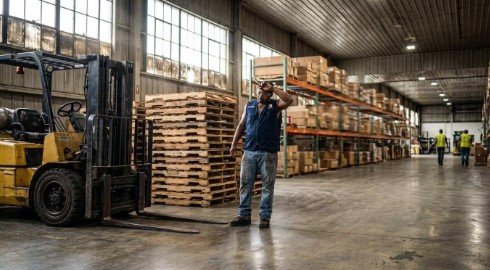
The expansion of distribution centers across the state has led to an increase in overexertion injuries, which remain a leading cause of workplace disability in North Carolina. According to the North Carolina Industrial Commission, these non-impact injuries often stem from the repetitive physical demands of lifting, pushing, and pulling heavy stock. Over time, the constant strain of warehouse labor can result in debilitating conditions such as herniated discs or carpal tunnel syndrome, which may not be immediately apparent after a single shift. Because the North Carolina Workers’ Compensation Act requires specific evidence to link these occupational diseases or accidental injuries to the workplace, securing a warehouse injury lawyer is vital for navigating the filing process. Professional legal advocates focus on ensuring that your medical documentation explicitly connects your long-term physical impairments to the specific industrial hazards you encountered on the job.
Beyond repetitive motion trauma, the presence of heavy machinery like forklifts and conveyor belts introduces a high risk for catastrophic acute accidents. Mechanical failures or improper safety protocols can lead to crushing injuries or limb entrapment, requiring immediate and extensive medical intervention. When these incidents occur, the North Carolina Industrial Commission mandates a strict reporting timeline that injured workers must follow to protect their right to benefits. A knowledgeable advocate can help you gather witness statements and equipment maintenance logs to prove that the injury arose out of and in the course of your employment. By prioritizing a thorough investigation into equipment-related accidents, professional legal counsel provides the specialized insight necessary to challenge insurance companies that may attempt to downplay the severity of machinery-induced trauma.
Documenting medical evidence serves as the foundation for any successful workers’ compensation claim involving industrial hazards. In North Carolina, you have the right to seek compensation for medical expenses and lost wages, but the burden of proof rests on your ability to show a direct causal link between your duties and your diagnosis. Expert legal guidance is often necessary to interpret medical reports and ensure that doctors accurately record how heavy machinery or overexertion contributed to your current physical state. This proactive approach prevents insurance adjusters from claiming your pre-existing condition is a issue unrelated to your warehouse environment. Securing dedicated representation ensures that your voice is heard against large corporations and that your recovery remains the primary focus of the legal process.
Identifying Third Party Liability in Distribution Centers
While workers’ compensation is the primary recovery method for distribution center employees, it often does not cover the full extent of a worker’s pain, suffering, and long-term financial loss. In many cases, an accident is caused by the negligence of a third party, such as a manufacturer of a defective forklift or an outside maintenance contractor who failed to secure a high-density storage rack. North Carolina law allows injured individuals to file personal injury lawsuits against these external entities while simultaneously receiving compensation benefits. Identifying these additional defendants requires a meticulous investigation into equipment maintenance logs and third-party safety protocols. A warehouse injury lawyer can play a vital role in this process by uncovering evidence that an employer’s immunity would otherwise shield from view.
Navigating the intersection of workers’ compensation and third-party litigation requires a deep understanding of the North Carolina Industrial Commission’s subrogation rules. When a worker recovers damages from a third party, the workers’ compensation insurance carrier may be entitled to a lien on those funds, which can complicate the final settlement. Legal advocates focused on plaintiff rights work to negotiate these lines down to ensure the injured person retains the maximum possible compensation for their recovery. By targeting negligent equipment designers or independent logistics contractors, legal professionals help bridge the gap between basic wage replacement and true justice. This comprehensive approach ensures that all responsible parties, not just the employer, are held accountable by the hazardous conditions found in modern distribution hubs.
Securing Professional Legal Advocacy
Navigating the aftermath of a warehouse accident requires a deep understanding of the North Carolina Workers’ Compensation Act and the specific hurdles plaintiffs face when dealing with insurance carriers. Because distribution centers often involve high-speed machinery and heavy lifting, injuries can be catastrophic and life-altering. Securing an experienced warehouse injury lawyer in North Carolina is essential for ensuring that every aspect of a claim, from medical mileage to long-term disability ratings, is calculated accurately. Professional legal advocates act as steadfast allies for these individuals, taking over communication with insurance adjusters so that you can focus entirely on your physical recovery. Their expertise ensures that the legal burden is shifted away from the worker and onto professionals who understand how to maximize the benefits provided under state law.
The litigation process in North Carolina is governed by the North Carolina Industrial Commission, which oversees the strict timelines and filing requirements for workplace injury claims. Without professional representation, workers often struggle to secure the full scope of medical coverage, especially when insurance companies attempt to limit specialized treatments or physical therapy. Dedicated legal counsel provides the necessary pressure to ensure that plaintiffs receive the comprehensive care they are entitled to without unnecessary delays. By gathering evidence and documenting the physical demands of industrial labor, your legal team builds a compelling case for the maximum compensation available. This dedicated approach protects the financial future of North Carolina families who depend on the income and stability of the injured worker.
Protecting Your Rights Under North Carolina Law
Securing your financial future after a warehouse accident in North Carolina requires immediate action to preserve your legal rights. The first priority is reporting the injury to your employer in writing within thirty days and seeking medical attention from an authorized provider to document the extent of your injuries. Because the North Carolina Workers’ Compensation Act involves complex filing deadlines and specific evidentiary requirements, navigating the industrial commission system without professional guidance can lead to denied benefits or underpaid settlements. A dedicated warehouse injury lawyer acts as a vital advocate, ensuring that insurance companies do not prioritize their profits over your physical recovery and long-term stability.
The growth of distribution centers across the state has increased the frequency of heavy machinery accidents and overexertion injuries, making specialized legal knowledge more important than ever. Legal counsel helps workers identify whether they are entitled to temporary total disability benefits, permanent partial disability ratings, or even third-party personal injury claims if equipment failure played a role. By conducting a thorough investigation into the circumstances of the accident, an attorney can pinpoint liability and secure the maximum compensation allowed under state law. Taking a proactive stance today prevents the long-term financial strain that often follows a workplace catastrophe, allowing you to focus entirely on your health and rehabilitation.
Frequently Asked Questions
No, the North Carolina Workers’ Compensation Act operates as a no-fault system. Under North Carolina General Statutes, you are entitled to medical benefits and wage replacement regardless of who caused the accident, provided the injury occurred while your employment.
Warehouse employees are protected against a range of industrial injuries, including acute trauma from machinery accidents and repetitive stress injuries like herniated discs. Whether your injury resulted from a forklift collision or the physical strain of heavy lifting, the law provides specific protection to ensure your recovery is covered.
A specialized advocate ensures you meet all rigorous filing requirements and deadlines mandated by the North Carolina Industrial Commission. Professional legal services provide the strategic approach necessary to counter insurance carriers who may attempt to minimize your recovery or deny the extent of your workplace injuries.
Injured laborers are generally entitled to comprehensive medical treatment and a portion of their lost wages while they are unable to work. These statutory protections are designed to maintain your financial stability and prioritize your physical recovery over the interests of large corporations.
If an insurer denies your claim, you have the right to request a hearing before the North Carolina Industrial Commission to fight for the benefits you deserve. Securing professional representation is vital during this process to ensure your rights are defended against the tactics used by corporate legal teams.
Modern fulfillment centers present unique hazards, such as falling objects and high-speed equipment, that require specific legal knowledge to address effectively. Professional advocates understand the physical toll these environments take on your body and work to ensure the complex legal system works in your favor rather than for the insurance company.
About Our Business
Oxner + Permar PLLC is a personal injury law firm serving clients throughout North Carolina and South Carolina with a primary focus on workers’ compensation, social security disability, and serious injury claims. The firm specializes in complex cases involving spinal cord injuries, wrongful death, and motor vehicle accidents across multiple regional offices. They differentiate themselves through a commitment to aggressive representation and a dedicated approach to “making wrongs right” for injured individuals.
Oxner + Permar PLLC
629 Green Valley Rd, Greensboro, NC 27408
Phone: (336) 274-4494
Website: https://www.oxnerpermarlaw.com