


The Netflix Tyson Paul fight lawsuit has quickly become one of the most talked-about controversies in sports streaming. When Netflix announced it would exclusively broadcast the high-profile boxing match between Mike Tyson and Jake Paul, expectations soared, promising a historic event that would blend the worlds of traditional boxing and digital entertainment.
However, what was meant to be a groundbreaking moment for the streaming giant and fight fans worldwide soon unravelled into chaos. Widespread technical failures marred the live broadcast, leaving millions of viewers frustrated and disappointed.
In the immediate aftermath, a $50 million class-action lawsuit was brought against Netflix, alleging the company failed to uphold its contractual obligations and engaged in deceptive trade practices. This legal battle has not only put Netflix’s live sports ambitions under the microscope. Still, it has also sparked a broader conversation about the challenges and risks of streaming major sporting events to a global audience.
| Event Name | Mike Tyson vs. Jake Paul Fight |
| Streaming Platform | Netflix |
| Event Date | November 15, 2024 |
| Venue | AT&T Stadium, Arlington, Texas |
| Main Fighters | Mike Tyson, Jake Paul |
| Co-Main Event | Katie Taylor vs. Amanda Serrano |
| Projected Viewership | Over 60 million households |
| Actual Peak Streams | 65 million concurrent streams |
| Technical Issues | Buffering, outages, glitches, missed portions of the fight |
| Complaints Logged | 85,000+ (Down Detector), possibly over 100,000 |
| Social Media Reaction | #NetflixCrash, “Unwatchable” trends |
| Lawsuit Filed By | Ronald “Blue” Denton (Florida resident) |
| Lawsuit Amount | $50 million (class-action) |
| Lawsuit Allegations | Breach of contract, deceptive trade practices |
| Netflix’s Response | Acknowledged record viewership, limited comment on failures |
| Additional Legal Dispute | Medier (Cyprus-based casino) vs. Mike Tyson |
| Media Lawsuit Amount | $1.5 million |
| Medier’s Claim | Wrongful contract termination for Netflix fight |
| Tyson’s Reported Earnings | $20 million |
| Fight Result | Jake Paul defeated Mike Tyson by unanimous decision |
| Impact on Netflix | Reputational damage, legal scrutiny, questions about live sports readiness |
| Future Netflix Plans | Expanding into NFL and WWE live broadcasts |
| Fan Sentiment | Frustration, disappointment, demands for refunds |
| Industry Impact | Raised concerns about live streaming infrastructure and event delivery |
Netflix’s Bold Move: Entering the Live Boxing Arena
Netflix’s decision to stream the much-hyped fight between boxing icon Mike Tyson and social media sensation Jake Paul marked a pivotal moment for the sports and streaming industries. The event, hosted at AT&T Stadium in Arlington, Texas, was Tyson’s first professional match in nearly two decades and Netflix’s most ambitious live sports broadcast. The stakes were sky-high, with projections of over 60 million households tuning in. The co-main event, featuring Katie Taylor and Amanda Serrano, also drew massive attention, with nearly 50 million viewers expected.
To build anticipation, Netflix released a documentary series, Countdown: Paul vs. Tyson, offering fans exclusive access to the fighters’ training regimens and behind-the-scenes preparations. The marketing blitz paid off, as excitement for the event reached unprecedented levels in the days leading up to the fight.
Netflix Tyson Paul Fight Lawsuit: Streaming Woes Take Centre Stage
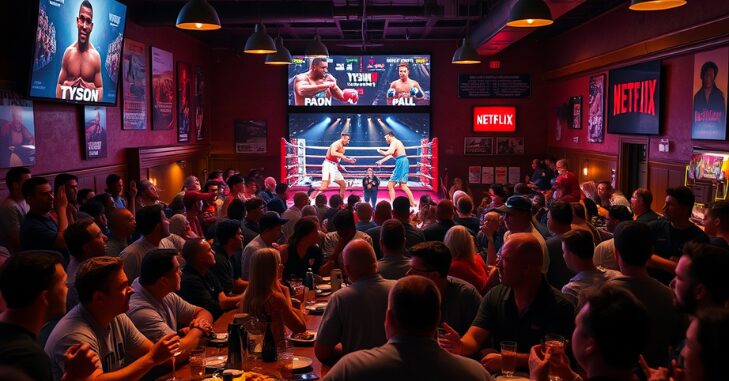
On November 15, 2024, as fans worldwide logged in to watch the Tyson-Paul showdown, Netflix’s streaming platform faced its most formidable challenge yet. Almost immediately, users began reporting widespread technical issues. Buffering, sudden outages, and persistent glitches plagued the broadcast, with some viewers missing key moments—or the entire main event.
Down Detector recorded nearly 85,000 complaints, while other sources suggest the number of affected viewers exceeded 100,000. Social media quickly became a hotbed of frustration, with hashtags like “#NetflixCrash” and “Unwatchable” trending as viewers vented their anger.
The problems ranged from minor delays to complete blackouts, and a broadcast slip that revealed Tyson’s locker room only added to the chaos. Despite these setbacks, the fight proceeded, with Jake Paul ultimately defeating Mike Tyson unanimously after eight two-minute rounds. However, for many, the technical failures overshadowed the outcome.
Legal Fallout: The $50 Million Class-Action Lawsuit
The backlash was swift and severe. Just days after the event, Ronald “Blue” Denton, a Florida resident, filed a $50 million class-action lawsuit against Netflix in Hillsborough County, Florida. The suit accused Netflix of breach of contract and deceptive trade practices, arguing that the company failed to deliver the promised service to millions of paying subscribers.
The lawsuit’s complaint was scathing: “Sixty million Americans were hyped to see ‘Iron’ Mike Tyson, ‘The Baddest Man on the Planet’ versus YouTuber-turned-prizefighter Jake Paul. What they saw was ‘The Baddest Streaming on the Planet.’”
The suit further alleged that Netflix was “woefully ill-prepared” for the surge in demand, despite having faced similar issues. The plaintiffs seek damages for all affected viewers, claiming that Netflix’s inability to provide a stable stream violated contractual obligations and consumer protection laws.
Netflix’s Reaction and Industry Ramifications
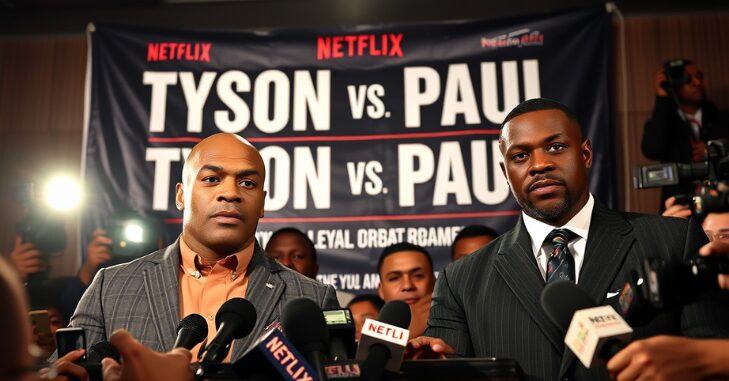
Netflix confirmed that the Tyson-Paul fight drew a record-breaking 65 million concurrent streams, making it the most-watched sporting event in the platform’s history. However, the company has remained tight-lipped about the specifics of the technical failures.
It has not issued a public statement regarding the lawsuit or the flood of complaints. Internally, Netflix has promised to release more detailed data on viewership and performance. Still, the incident has cast doubt on its readiness for future live sports events. The streaming giant now faces scrutiny from subscribers, industry analysts, and competitors.
The lawsuit and negative publicity have raised serious questions about Netflix’s ability to handle high-profile live broadcasts, especially as it prepares to expand into NFL and WWE programming. Instead, what was intended to showcase Netflix’s capabilities has become a cautionary tale about the complexities of live sports streaming on a global scale.
Fan Backlash and the Broader Impact on Streaming

The Tyson-Paul fight was meant to be a milestone for boxing and streaming. Still, the technical failures and subsequent lawsuits have left a complicated legacy. Many fans, who paid explicitly to watch the event live, felt let down and took to social media to demand refunds and accountability.
Memes and jokes about the “Baddest Streaming on the Planet” quickly went viral, capturing the widespread disappointment. For Netflix, the incident has become a critical learning experience. The company’s ambitions in live sports remain undeterred.
Still, the Tyson-Paul debacle has underscored the need for stronger infrastructure, better contingency planning, and more transparent communication with subscribers. As Netflix gears up for future live events, including NFL and WWE broadcasts, the pressure is on to restore trust and prove its reliability.
At the same time, Jake Paul is using his rising popularity to hint at upcoming major fights, making the most of both the favourable and unfavourable attention sparked by the Netflix event. Despite his legal entanglements, Tyson reportedly collaborates with Netflix on a new documentary series, suggesting that his relationship with the streaming giant is far from over.
Streaming Infrastructure Pressure and the Future of Live Sports Platforms
The Netflix Tyson Paul fight controversy has also intensified scrutiny across the entire streaming industry, pushing rival platforms to reassess how they scale infrastructure for high-demand live events. As audiences increasingly shift from traditional television to digital streaming, platforms are under growing pressure to ensure stability during peak global traffic moments.
The incident has highlighted the importance of advanced load balancing, real-time server redundancy, and proactive stress testing before major broadcasts. It has also encouraged media companies to invest more heavily in hybrid delivery models and regional content distribution networks to reduce latency issues.
Beyond Netflix, the case is now being studied as a benchmark example of how even leading tech companies can struggle when entertainment, sports, and mass digital demand collide.
Conclusion

The Netflix Tyson Paul fight lawsuit is a pivotal lesson for the streaming industry, highlighting the immense challenges of delivering live sports to millions of viewers worldwide. The technical failures that plagued the event led to widespread customer dissatisfaction and triggered significant legal and reputational consequences for Netflix.
As the lawsuit unfolds, it underscores the importance of robust infrastructure, transparent communication, and contingency planning for any platform venturing into live event broadcasting. Beyond the courtroom, the incident has prompted Netflix to reevaluate its approach to live sports, especially as it eyes future broadcasts of NFL and WWE events.
Meanwhile, the fighters have faced legal and contractual hurdles, adding further complexity to the story. Ultimately, the Tyson vs. Paul fight controversy serves as a cautionary tale and a catalyst for change, shaping the future of how live sports are delivered and experienced in the digital age.
Apart from this, if you are interested to know more about “Starbucks Manager Lawsuit: The Inside Story Behind the Controversy“, then visit our “Business Law” category.
Frequently Asked Questions (FAQS)
Netflix did not sue Mike Tyson or Jake Paul. Instead, Netflix faced a $50 million class-action lawsuit due to streaming issues during their fight on November 15, 2024. Viewers experienced buffering and glitches, failing to deliver a seamless experience.
Mike Tyson earned approximately $20 million from his fight against Jake Paul on November 15, 2024. Despite losing by unanimous decision, the event was a financial success streaming to millions globally on Netflix.
Netflix experienced significant streaming issues during the Tyson-Paul fight on November 15, 2024. Viewers experienced buffering, pixelation, and outright crashes, which led to frustration and jokes on social media.
Netflix’s live stream of the Tyson-Paul fight on November 15, 2024, faced severe technical issues. Viewers reported buffering, pixelation, and freezing, making the event nearly unwatchable.







