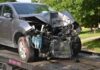
Here’s the harsh truth: rideshare crashes aren’t your typical fender-benders. They’re legal labyrinths that’ll leave you spinning your wheels if you try tackling them alone. Consider this sobering statistic: roughly 46,000 deaths due to motor vehicle travel, which is a 22% increase over the numbers reported in 2021.
When you’re dealing with multiple insurance carriers, byzantine liability rules, and mountains of digital evidence, you absolutely need an attorney who speaks this complex language fluently.
Navigating the Insurance Maze: Who Pays What and When?
Ever wondered why rideshare accidents make insurance adjusters break out in cold sweats? You’re potentially looking at four different insurance policies, all pointing fingers at each other.
Think of rideshare insurance as having three distinct personalities, each with different rules and coverage limits. When isn’t your driver logged into their app? You’re relying solely on their personal auto policy, and here’s the kicker: most personal policies won’t cover commercial activities.
Phase two gets interesting. Your driver’s logged in, scrolling through ride requests, but hasn’t accepted one yet. Now, rideshare companies typically provide limited coverage, usually around $50,000 per person for injuries. Not exactly reassuring when medical bills start piling up, right?
But here’s where things get serious. Once that driver accepts your ride or you’re in the vehicle, boom, full commercial coverage kicks in. We’re talking about $1 million in liability protection. The challenge? Insurance companies love arguing about which phase applied when your accident happened.
Houston represents one of America’s largest metropolitan areas, with millions of residents relying on rideshare services daily across its sprawling urban landscape. The city’s complex highway system, combined with heavy traffic congestion, creates numerous opportunities for rideshare accidents requiring legal intervention.
When selecting representation for rideshare accident cases, choosing a Houston Personal Injury Lawyer provides essential local knowledge of traffic patterns, insurance company practices, and judicial preferences that significantly impact case outcomes. Attorneys with Houston experience understand how the city’s unique transportation challenges influence rideshare accident litigation and settlement negotiations.
Building Your Case: Modern Evidence Wars
Traditional evidence gathering won’t cut it anymore. You need attorneys who think like digital detectives and move like emergency responders.
The Digital Evidence Race Against Time
Your smartphone holds the keys to your case, but only if someone knows how to unlock them quickly. GPS data, app logs, and location tracking, this information tells a story insurance companies can’t argue with. But here’s the catch: it disappears fast.
Remember this shocking statistic: 77% of motorists admit to sometimes using their mobile phones while driving. In rideshare cases, where drivers constantly interact with apps, smartphone evidence becomes crucial.
Vehicle telematics reveal speed, break patterns, and impact forces, data that either supports your version of events or destroys the other side’s story. But surveillance footage from nearby businesses? Most places only keep recordings for 30-60 days. Miss that window, and critical evidence vanishes forever.
Technology Meets Courtroom Strategy
Modern rideshare litigation isn’t your grandfather’s personal injury case. AI-powered accident reconstruction creates visual presentations that make juries go “aha!” instead of scratching their heads in confusion.
Social media mining often exposes contradictory statements from defendants or reveals patterns of risky behavior. Rideshare accident attorney specialists extract metadata from rideshare apps that shows driver status, route deviations, or app malfunctions, details that can make or break your case.
Coordinating expert witnesses becomes more complex when you need both traditional accident reconstruction and digital forensics specialists. But when they work together? You get compelling narratives that juries understand and trust.
Calculating What You’re Really Owed
Evidence means nothing if you can’t translate it into fair compensation. This evaluation process separates five-figure settlements from six-figure victories.
Medical Damage Assessment Beyond the Obvious
Rideshare accidents create unique injury patterns you won’t see in typical crashes. Passengers often sustain different injuries due to seating positions and unexpected impact directions. Makes sense when you think about it, you weren’t expecting to get rear-ended while checking your phone in the backseat.
Hidden injuries like traumatic brain injuries or PTSD show up weeks later, making initial medical assessments woefully incomplete. Personal injury attorney representation ensures ongoing monitoring and documentation that captures your full damage picture.
Medical provider coordination becomes critical when multiple insurance carriers start disputing treatment necessity. Experienced attorneys help you access proper care while building bulletproof documentation for maximum compensation demands.
Economic Loss Calculations for the Modern Economy
Lost wage documentation gets tricky with gig economy workers who lack traditional employment records. If you’re a rideshare driver yourself, proving income loss becomes even more challenging when earnings fluctuate based on your driving patterns.
Diminished earning capacity assessments consider long-term impacts on both passengers and drivers who can’t work effectively anymore. Property damage valuations may involve multiple vehicles requiring specialized expertise to determine replacement versus repair costs.
Pain and suffering quantification must address the psychological impact of losing trust in transportation services you previously considered safe and convenient.
Settlement Negotiations: David Versus Multiple Goliaths
Armed with solid documentation and precise damage calculations, your attorney enters high-stakes negotiations where insurance companies deploy sophisticated tactics to minimize payouts. This phase often determines whether cases settle favorably or drag through costly litigation.
Outsmarting Insurance Company Tactics
Multi-carrier negotiations require understanding of how different insurance companies interact when multiple policies potentially apply. Lyft injury lawyer specialists prevent insurers from playing hot potato with responsibility while you remain uncompensated.
Settlement leverage identification involves timing negotiations to maximize pressure on defendants. Early settlement discussions often undervalue claims, while delayed negotiations increase costs and uncertainty for everyone involved.
Bad-faith insurance claim recognition becomes important when carriers unreasonably delay payments or deny valid claims. Attorneys can pursue additional damages when insurance companies fail to handle claims fairly.
Alternative Paths to Resolution
Mediation versus arbitration considerations depend on case specifics and defendant preferences. Some rideshare companies prefer arbitration to limit publicity, while others accept mediation to control costs.
Collaborative settlement conferences allow multiple parties to address complex liability issues simultaneously rather than through separate negotiations. Early neutral evaluation provides reality checks for unrealistic settlement expectations from either side.
When Negotiations Fail: Courtroom Excellence
When negotiations stall or insurance companies refuse fair compensation, the courtroom becomes your final battleground. Meticulous preparation and strategic presentation transform complex rideshare evidence into compelling jury verdicts.
Discovery Phase Mastery
Interrogatory and deposition strategies must address both traditional accident factors and rideshare-specific issues like app functionality and driver screening procedures. Expert witness selection requires professionals who understand both accident reconstruction and modern transportation technology.
Medical record analysis and presentation must clearly connect injuries to accident forces while accounting for pre-existing conditions that defense attorneys will exploit. Demonstrative evidence helps juries visualize complex accident scenarios involving multiple vehicles and digital evidence.
Winning Hearts and Minds in Court
Jury selection for rideshare cases requires understanding potential biases toward or against technology companies. Some jurors love rideshare services, while others distrust large corporations.
Technology integration in trial presentation must balance sophistication with accessibility. Emotional storytelling helps juries connect with victims while understanding complex liability frameworks that determine compensation levels.
Futureproofing Your Legal Strategy
The rideshare industry evolves rapidly, with autonomous vehicles and changing regulations reshaping liability landscapes. Forward-thinking legal representation anticipates these shifts to protect your interests.
Autonomous Vehicle Revolution
Self-driving rideshare liability will transfer responsibility from drivers to manufacturers and software developers. This transition creates new legal theories attorneys must understand to represent future clients effectively.
Manufacturer versus platform responsibility becomes blurred when rideshare companies develop their own autonomous vehicle technology. Insurance evolution suggests entirely new policy structures covering technology failures rather than human errors.
Regulatory Landscape Shifts
State-specific rideshare legislation creates varying legal standards and attorneys must track across multiple jurisdictions. Municipal ordinance compliance adds complexity when local regulations conflict with state or federal requirements.
Federal transportation safety updates may impose new standards creating additional liability exposure. International rideshare expansion affects companies operating across borders with different legal frameworks.
Your Path Forward Starts Now
Rideshare accident litigation demands specialized expertise that traditional personal injury attorneys often lack. From complex insurance frameworks to digital evidence preservation, these cases require attorneys who understand both legal principles and modern transportation technology.
Don’t let insurance companies minimize your claim while you struggle with medical bills and lost income. The right legal representation transforms overwhelming complexity into maximum compensation reflecting the true impact of your injuries. Your recovery depends on making the right choice and making it quickly.
Your Most Pressing Questions Answere
Most states provide two years from the accident date to file personal injury claims, but deadlines vary by jurisdiction and case specifics.
Absolutely. Multiple defendants can be pursued when different parties share responsibility for causing accidents and resulting injuries.
Rideshare companies typically provide backup coverage when driver policies prove insufficient for serious accident claims.