The Simply Orange Juice lawsuit has attracted widespread attention from consumers, legal experts, and food safety advocates. Once seen as a trusted brand emphasizing “all-natural” qualities, it now faces controversy over claims of undisclosed synthetic chemicals. While many viewed Simply Orange as a healthy and transparent choice, a class action lawsuit casts doubt on that reputation.
The main issue involves the discovery of harmful “forever chemicals,” notably PFAS (per- and polyfluoroalkyl substances), as revealed by tests from consumer groups. This lawsuit underscores a broader debate about the disparity between product marketing and actual content. It highlights increasing scrutiny and concern over deceptive advertising, particularly in the food and beverage sector.
Brands such as Simply Orange, owned by Coca-Cola, are being challenged to reconcile their “natural” claims with scientific evidence indicating a different reality. As the case progresses, it has the potential to influence not only the juice section but also overall regulatory standards.
| Category | Details |
| Allegation | Mislabeling |
| Product | Juice |
| Parent Company | Coca-Cola |
| Keyword | Simply Orange Juice Lawsuit |
| Issue | Chemicals |
| Lawsuit Type | Class-Action |
| Chemical Type | PFAS |
| Concern | Health |
| Market | U.S. |
| Marketing Claim | “All-Natural” |
| Defense Strategy | Denial |
| Consumer Trust | Damaged |
| Legal Grounds | Misrepresentation |
| Labeling Law | Questioned |
| Lawsuit Filed | 2023 |
| Status | Pending |
Simply Orange Juice Lawsuit
In recent years, there has been a significant increase in public concern over synthetic additives and undeclared ingredients in food and drinks. The lawsuit against Simply Orange Juice highlights the tension between marketing claims and the actual product. The class-action complaint states that the juice, marketed as all-natural, contains PFAS chemicals, which are associated with health issues such as liver damage, immune system problems, and cancer.
These chemicals are often called “forever chemicals” because they linger in the human body and environment. Although the brand emphasizes purity and freshness, the lawsuit states that internal tests found detectable PFAS levels in the product.
The plaintiffs claim this conflicts with the labeling and breaches consumer protection laws. The defendants insist that their juice is safe and meets all regulations. As the case remains unresolved in federal court, its decision could significantly impact consumer trust and food labeling laws in the U.S.
PFAS Hiding Allegation
The core of the controversy is that Coca-Cola’s Simply Orange might have hidden the presence of PFAS in its products. Plaintiffs in the lawsuit claim these synthetic chemicals were never listed on the packaging or marketing materials.
They argue this omission led consumers to believe they were purchasing a genuinely natural product, which affected their buying choices. Hiding a key ingredient, particularly a chemical with known health risks, raises ethical and legal questions.
Although Coca-Cola denies intentionally hiding it, legal experts argue that the company will need to demonstrate due diligence in sourcing and testing. Recent legislation emphasizes transparency in food labeling, and this case might establish a new standard for what companies are required to disclose about their products. How to Avoid Misleading Claims When Selling Castor Oil goes deeper on this point.
Brand Reputation at Risk
Coca-Cola’s reputation as a parent company is at risk. Simply was marketed as a healthier option, but now it faces scrutiny.
Consumer Awareness and Food Safety

- PFAS compounds pose significant health risks.
- The lawsuit heightens consumer doubt about the authenticity of “natural” labels.
- There is an increasing demand for more third-party testing.
- Consumers might switch to certified organic juices.
Regulatory Wake-Up Call
This lawsuit acts as a warning to regulatory agencies such as the FDA and FTC. Since the term “natural” is not clearly defined, tighter labeling standards could be implemented soon.
Why Third-Party Testing Is Becoming More Important
Independent laboratory testing is becoming an increasingly important part of the conversation surrounding food safety and consumer trust. As lawsuits involving PFAS and other contaminants gain national attention, many retailers, consumer advocacy groups, and manufacturers are investing in more comprehensive third-party testing to verify product quality and detect substances that may not be specifically addressed on product labels.
Although third-party testing does not guarantee that a product is entirely free of trace contaminants, it can improve transparency and help companies identify potential issues before they develop into regulatory investigations or consumer litigation.
The growing emphasis on independent verification may encourage the beverage industry to adopt more rigorous quality assurance standards and provide consumers with greater confidence in product labeling.
Comparison With Past Food Lawsuits
Unlike previous lawsuits focused on sugar or fat levels, this case centers on synthetic chemicals, which notably increases its importance in public opinion and potential policy changes.
Impact on the Juice Industry

- Other brands might perform testing ahead of time.
- Clean-label marketing may encounter skepticism.
- Growing consumer demand for ingredient transparency.
Public Reaction: Mixed But Vocal
While many consumers feel betrayed, others continue to trust Simply Orange. Online forums and social media show both outrage and disbelief, putting loyalty to the test in real-time.
Legal Timeline and Progress
- Filed: Early 2023
- Presently in federal court.
- Possible duration span: 2 to 3 years.
- Anticipated discussions include expert testimony and debates over class certification.
Corporate Response Strategy
Coca-Cola’s defense emphasizes its product safety and adherence to regulations. While their public statements highlight quality control, critics argue that their transparency is lacking.
What does this mean for Future Labeling?
As scrutiny of brands increases, simply labeling products as “natural” might not suffice to convince consumers. Transparent ingredient disclosure could become standard practice in food marketing.
Lawsuit Momentum: Will Others Follow?
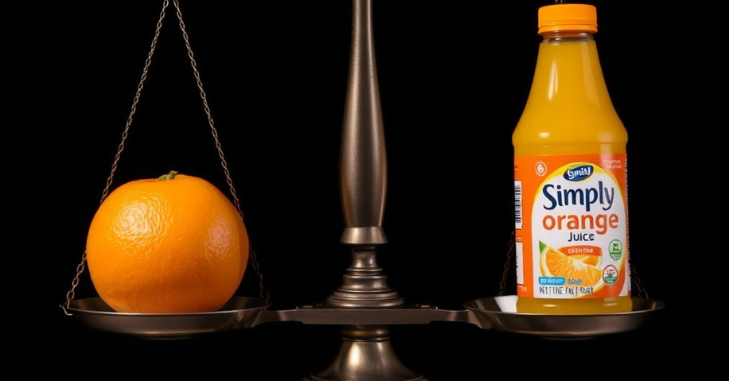
As this case draws attention, it could lead to similar lawsuits against other juice or “healthy” beverage companies, potentially expanding industry accountability.
Conclusion
The Simply Orange Juice Lawsuit has evolved beyond a branding dispute, becoming a symbol of increasing skepticism towards marketing claims and prompting calls for tighter food safety rules.
Consumers who trusted the “all-natural’ label now realize that packaging might not always accurately represent the contents. This situation highlights the importance of transparency, particularly when health is at stake. As the lawsuit advances, its ripple effects are likely to impact the juice industry and beyond.
It could result in greater corporate accountability, clearer labels, or tighter PFAS regulations. The Simply Orange Juice case might reshape consumer rights in the food and beverage sector. What unfolds next could permanently alter how we interpret labels and determine trust.
Want to know about “What You Need to Know About Consumer Rights and Product Liability” Check out our “Business Law” category.
FAQs
A claim is made that the juice contains PFAS chemicals even though it is advertised as “all-natural.”
A class-action lawsuit was launched in federal court by American customers.
PFAS, also referred to as “forever chemicals,” are artificial substances that have been connected to health problems.
The product is still accessible as long as the legal matter is pending.
The business might have to pay impacted customers, alter its labelling, and pay fines.