


Slip-and-fall accidents are among the most common causes of personal injury in the United States and worldwide. They can happen anywhere: grocery stores, workplaces, sidewalks, or even your own home.
While they may seem minor at first, the consequences can be severe, ranging from sprains and fractures to long-term medical issues. Understanding slip-and-fall cases, their causes, your legal rights, and how insurance claims work is essential to protect yourself and ensure fair compensation if you are injured.
This comprehensive guide breaks down everything you need to know about slip and fall cases, including the legal process, evidence collection, common mistakes, and tips for navigating the complexities of personal injury law.
Slip and Fall Cases: Causes vs Prevention Tips
| Common Causes of Slip and Fall Accidents | Prevention Tips and Safety Measures |
|---|---|
| Wet or slippery floors | Clean spills immediately and place warning signs |
| Uneven sidewalks or flooring | Repair cracks and level walking surfaces |
| Poor lighting in hallways or staircases | Install proper lighting and replace faulty bulbs |
| Loose rugs or mats | Secure rugs with non-slip backing |
| Cluttered walkways | Keep pathways clear of obstacles |
| Icy or snowy surfaces | Apply salt or sand to improve traction |
| Broken or missing handrails | Install and maintain sturdy handrails |
| Spilled liquids in public areas | Conduct regular inspections and quick cleanups |
| Damaged stairs | Repair steps and ensure structural safety |
| Slippery bathroom floors | Use anti-slip mats and grab bars |
| Worn-out carpets | Replace or repair damaged carpeting |
| Cables or wires across floors | Organize and secure electrical cords |
| Recently mopped floors without signs | Always display caution signs after cleaning |
| Potholes in parking lots | Fill and maintain parking surfaces |
| Greasy kitchen floors | Use degreasers and proper cleaning routines |
| Rainwater tracked indoors | Place absorbent mats at entrances |
| Lack of maintenance | Schedule regular property inspections |
| Defective escalators or elevators | Perform routine servicing and repairs |
| Obstructed emergency exits | Keep exits clear and accessible |
| Broken tiles | Replace cracked or loose tiles promptly |
| Overcrowded spaces | Manage foot traffic effectively |
| Improper footwear (victim-related) | Wear slip-resistant shoes |
| Pets or small objects on floors | Keep floors clear and supervise pets |
| Sudden floor level changes | Mark transitions clearly with signs |
| Negligent property management | Pets or small objects on the floor |
What Are Slip-and-Fall Cases?

A slip-and-fall case is a type of personal injury claim that arises when a person slips, trips, or falls due to unsafe conditions on someone else’s property. Property owners have a legal duty to maintain safe premises. When they fail to do so, and someone gets injured as a result, they can be held liable under premises liability laws.
These cases often involve:
- Wet floors without warning signs
- Broken or uneven sidewalks
- Poorly maintained stairs or handrails
- Ice, snow, or debris left untreated on walkways
Slip-and-fall cases fall under personal injury law, which allows injured individuals to seek compensation for medical expenses, lost income, and pain and suffering caused by the accident.
Common Causes of Slip and Fall Accidents
Understanding the common causes of slip-and-fall accidents can help you prevent injuries and strengthen your case if one occurs. Some of the most frequent causes include:
- Wet or Slippery Floors
Floors in restaurants, stores, and workplaces can become slippery due to spills or cleaning. Failure to put up warning signs is often a major cause of accidents.
- Uneven Surfaces
Cracked sidewalks, potholes, and uneven flooring are frequent hazards that lead to trips and falls.
- Poor Lighting
Dimly lit areas or sudden changes in lighting can make hazards hard to see.
- Obstacles and Clutter
Objects left in walking paths, such as boxes, cables, or loose rugs, can cause trips.
- Weather Conditions
Ice, snow, and wet leaves increase the risk of slipping outdoors. Property owners must take reasonable measures to prevent these accidents.
- Defective Stairs and Railings
Broken steps, missing handrails, or unstable staircases contribute significantly to injuries.
Understanding Your Legal Rights in Slip-and-Fall Cases
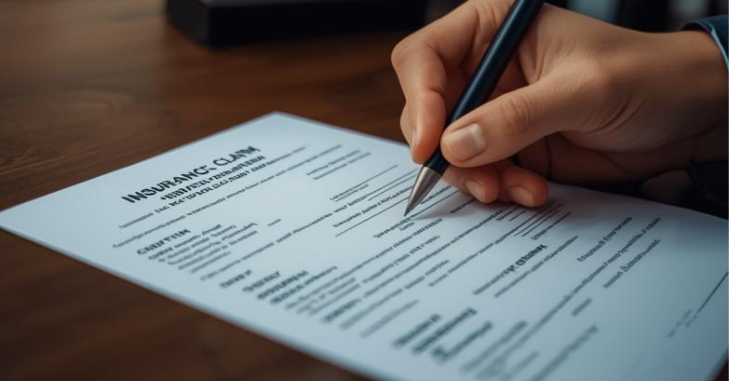
If you are injured in a slip and fall accident, you have specific legal rights that allow you to pursue compensation. These rights depend on the type of property where the accident occurred and the circumstances of the fall.
Duty of Care
Property owners are required to exercise a duty of care to prevent foreseeable accidents. If they fail in this duty, they can be held liable. This applies to:
- Commercial properties such as shops, dining establishments, and office buildings.
- Residential properties – rented apartments, homes
- Public spaces – sidewalks, parks
Proving Negligence
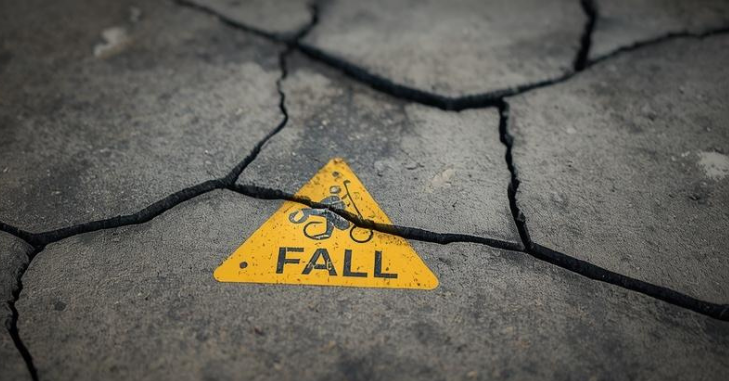
- The property owner had a legal responsibility to ensure your safety.
- They breached this duty by failing to maintain a safe environment.
- Their failure to act responsibly was the direct reason for your injury.
- You suffered losses and harm as a result of the incident.
Collecting solid evidence is critical. This can include photos, surveillance footage, witness statements, and medical records.
How to Submit Insurance Claims Following a Slip-and-Fall Accident?

Insurance plays a significant role in slip-and-fall cases. Most property owners have liability insurance, which covers injuries sustained on their property. Understanding how to file and negotiate claims is essential.
Steps to Filing an Insurance Claim

- Seek Medical Attention Immediately: Even minor injuries should be documented.
- Report the Incident: Inform the property owner or manager immediately after the incident. Request a written incident report if available.
- Document Everything: Take photos of the hazard, your injury, and any relevant conditions. Collect contact information for witnesses.
- Contact Your Attorney: A personal injury lawyer experienced in slip-and-fall cases can help you navigate the insurance claim, ensuring you receive fair compensation.
- Negotiate or Litigate: Insurance companies often attempt to settle claims for less than they are worth. Legal guidance ensures your rights are protected and your claim is strong.
Common Challenges in Slip-and-Fall Cases

While pursuing a slip-and-fall case, victims may face several challenges:
- Disputed Liability: Property owners may deny negligence.
- Pre-existing Conditions: Insurance companies might argue that the injuries predated the fall.
- Insufficient Evidence: Lack of photos, witness testimony, or timely medical records can weaken your case.
- Time Limits: Statutes of limitations vary by state; filing late can prevent recovery.
Understanding these challenges in advance helps you avoid mistakes and strengthens your case.
Tips to Strengthen Your Slip-and-Fall Case

Here are actionable tips to maximize your chances of a successful claim:
- Preserve Evidence: Take photos immediately and keep clothing or shoes worn during the accident.
- Get Witness Statements: People who saw the accident can provide crucial testimony.
- Seek Medical Attention Promptly: Prompt treatment validates your injury claims.
- Keep Records of Expenses: Document all medical bills, lost wages, and transportation costs.
- Avoid Giving Recorded Statements to Insurers Without Legal Advice: Insurance companies may try to minimize payouts.
When to Hire a Slip-and-Fall Attorney?

While minor slips may be resolved without legal assistance, hiring an experienced personal injury lawyer is highly recommended if:
- Your injuries are serious or long-term.
- Liability is disputed.
- You face complex insurance negotiations.
- You need help calculating fair compensation.
A qualified attorney can help gather evidence, navigate legal procedures, and ensure your case meets all requirements.
Conclusion
Slip-and-fall accidents are more than simple mishaps; they can have serious financial, medical, and legal consequences. Understanding the causes, your legal rights, how insurance claims work, and the process for navigating personal injury law is critical for anyone involved in these accidents.
By documenting evidence, seeking timely medical attention, and considering legal guidance, victims can protect their rights and pursue fair compensation. Whether you are dealing with a minor injury or a severe accident, knowledge and preparation are your strongest tools for success in slip-and-fall cases.
Want to know about Georgia Personal Injury Law Changes and What Victims Need to Know Check out our Accidents Law category.
Frequently Asked Questions (FAQs)
It depends on your state’s statute of limitations, typically 1–3 years from the date of the accident.
Yes. Many states follow comparative negligence rules, which may reduce but not eliminate compensation.
Medical expenses, lost wages, pain and suffering, and in some cases, punitive damages.
While not required, an attorney can significantly improve your chances of fair compensation, especially if the claim involves injuries or disputed liability.
Evidence like photos, witness statements, maintenance records, and incident reports helps demonstrate negligence.







