


Strict liability definition law is a cornerstone of modern legal systems, ensuring that individuals and businesses are held accountable for harm caused by inherently risky activities or defective products, regardless of intent or negligence.
Unlike traditional negligence-based claims, strict liability shifts the focus from proving fault to addressing the consequences of certain actions, protecting victims and the public from preventable harm.
By understanding the Strict Liability Definition Law, its key principles, and practical applications, individuals and businesses can better navigate legal responsibilities, mitigate risks, and ensure compliance with safety standards.
| Aspect | Key Points |
| Strict Liability Definition Law | Liability for harm regardless of fault or negligence |
| Principles | No-fault, high-risk activities, public protection, and damages must be proven |
| Types | Product, Ultrahazardous Activities, Animal, Environmental/Statutory |
| Responsibilities | Duty of care, risk assessment, warnings, insurance, compliance |
| Applications | Tort, consumer protection, occupational safety, environment, animal law |
| Defenses | Assumption of risk, statutory exemptions, contributory negligence, act of God |
| Goal | Protect victims, enforce accountability, and ensure compensation |
What is the Strict Liability Definition Law?

Strict liability definition law establishes that a party can be held legally responsible for harm or damage caused by their actions or products, regardless of fault, intent, or negligence.
The core principle is to protect victims and the public by ensuring that those engaged in inherently hazardous activities or producing potentially dangerous products bear the consequences of any resulting harm.
Key features of the Strict Liability Definition Law include the elimination of the need to prove negligence or intent to harm, the imposition of liability for engaging in certain activities or producing specific products, and a focus on compensating the injured party rather than punishing intent.
Key Principles of Strict Liability
Liability Without Fault
- Defendant can be held responsible even if all possible precautions were taken
- Fault or negligence does not need to be proven
High-Risk Activities
- Strict liability applies to inherently dangerous activities, such as
- Use of explosives
- Handling hazardous chemicals
- Operating heavy machinery in unsafe environments
Public Protection

- The main objective is to protect public safety and ensure victims receive compensation
- Encourages responsible behavior and risk management
Damages Must Be Proven
- Plaintiff must prove:
- The harm occurred
- The defendant’s action or product caused the harm
- The damages are quantifiable
Limitation by Law
- Certain statutes define the scope of strict liability
- Some jurisdictions provide exemptions or caps on liability
Types of Strict Liability

Product liability, under the strict liability definition law, holds manufacturers, distributors, or sellers responsible for defective products that cause harm.
This application of strict liability ensures that consumers are protected from unsafe products, even if the manufacturer exercised all reasonable care, emphasizing accountability and public safety over proving negligence.
Examples
- Defective machinery is injuring workers
- Contaminated food products are causing illness
- Faulty vehicles leading to accidents
Ultrahazardous or Abnormally Dangerous Activities
Certain activities are considered inherently risky and can invoke strict liability, regardless of the precautions taken. Courts apply this principle to protect public safety from potentially catastrophic outcomes.
Examples
- Storing or using explosives
- Transporting toxic chemicals
- Operating amusement rides without proper safety measures
Animal-Related Liability
Owners of certain animals can be strictly liable for injuries or damage caused by their pets or livestock. This type of liability emphasizes accountability for animals known to pose risks.
Examples
- Dog bites or attacks
- Injuries from wild or exotic animals kept privately
- Livestock causing property damage
Environmental and Statutory Liability

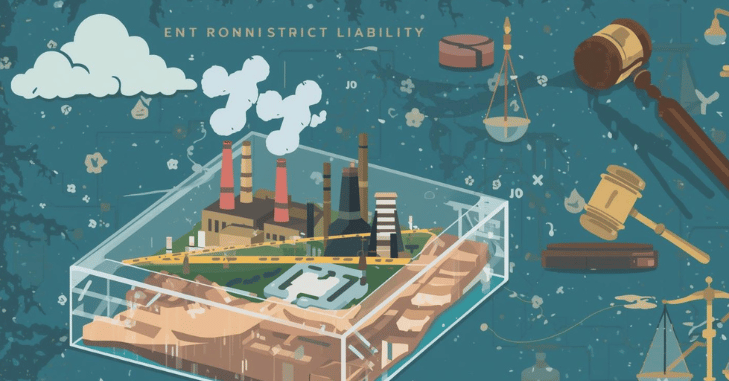
Entities engaging in environmentally sensitive or heavily regulated activities may face strict liability under statutory law. This ensures that businesses prioritize public and environmental safety.
Examples
- Oil spills
- Chemical plant emissions are causing health hazards
- Water pollution is affecting downstream users
Practical Legal Applications of Strict Liability
Strict liability definition law is applied across multiple sectors to protect the public and ensure accountability. In animal law, owners of pets or exotic animals can be held responsible for injuries or property damage, often based on the animal’s known behavior.
Tort law allows victims to receive compensation for harm caused by dangerous actions or defective products without proving negligence. Consumer protection holds manufacturers and sellers accountable for unsafe products, promoting higher safety standards.
Defenses and Limitations in Strict Liability Cases

- Assumption of Risk: Liability may be reduced or denied if the plaintiff knowingly engaged in a risky activity.
- Statutory Exemptions: Certain laws provide limited or conditional liability protection for regulated activities.
- Contributory Negligence: In some jurisdictions, damages may be reduced if the plaintiff contributed to their own harm.
- Act of God: Defendants may be relieved from liability if the harm was caused by unforeseeable natural events beyond human control.
Responsibilities Under Strict Liability Law
Duty of Care
Even though strict liability does not require proving negligence, parties still have a responsibility to exercise reasonable care wherever possible. Taking precautions can reduce the risk of harm and may influence the amount of damage awarded if a claim arises.
Risk Assessment
Identifying and managing high-risk activities is essential under strict liability law. Businesses and individuals should conduct regular safety audits, evaluate potential hazards, and implement strategies to minimize exposure to dangerous situations.
Product Safety and Warnings

Manufacturers and distributors are obligated to provide clear instructions and warnings for their products. Failing to disclose known risks can increase liability exposure and make it more likely that a strict liability claim will succeed.
Insurance and Financial Preparedness
Many businesses carry liability insurance to protect against potential claims. Adequate coverage ensures that victims are compensated for harm while maintaining the financial stability of the party held liable.
Compliance With Statutes
Strict adherence to relevant regulatory guidelines is critical, especially for hazardous activities or products. Maintaining proper documentation and demonstrating compliance with laws and safety standards can help mitigate legal exposure under strict liability.
Conclusion
Strict liability definition law provides a framework to assign accountability in situations where activities or products inherently carry risks. By removing the requirement to prove fault, the law ensures that those responsible for potentially harmful actions or products bear the consequences, protecting victims and the public.
Understanding the principles, types, responsibilities, and applications of strict liability enables businesses, individuals, and legal practitioners to navigate risks effectively, prevent harm, and ensure fair compensation.
While the law can be strict, adherence to safety protocols, regulatory compliance, and proper risk management allows entities to operate confidently within legal boundaries.
Want to know about Check out our category.
Want to know about Navigating Personal Injury Claims: Tips for Successful Settlements Check out our Accidents Law category.
FAQs
In both criminal and civil law, strict liability is a legal norm that holds an individual or organization accountable for the outcomes of an action or activity, even in the absence of blame, carelessness, or intent
According to the legal theory of strict responsibility, an individual is accountable for any losses or damages brought about by their actions or inactions.
There are three main types of strict liability torts. These include abnormally harmful behaviors, animal attacks, and product liability claims.
Strict liability can be divided into three broad categories: product liability, keeping dangerous animals, and abnormally harmful behaviors.







