Sexual assault cases are among the most challenging and sensitive legal matters. They rely heavily on evidence to uncover the truth, protect victims, and ensure justice is served. Yet many people wonder: what evidence is needed for sexual assault cases, and how is it used in court? This guide breaks down the evidence used in sexual assault cases, explains how sexual assault cases are proven, and offers clarity on the different types of evidence that can make or break a case.
Why Evidence Matters in Sexual Assault Cases
Evidence is the backbone of any sexual assault case. It provides the factual basis that allows courts to determine what happened, beyond personal opinions or hearsay. Without strong evidence, even the most credible testimony can be questioned.
Sexual assault evidence explained is not limited to physical proof, it encompasses a range of materials, from forensic findings to digital footprints, all contributing to the story of what occurred. Understanding these types of evidence helps victims, legal professionals, and the public navigate the legal process with confidence.
Because the process of collecting and preserving this evidence can be complicated and time-sensitive, victims often benefit from help from a sexual assault lawyer who can guide them through each step, ensure crucial evidence is protected, and provide the support needed to navigate the legal system.
Types of Evidence in Sexual Assault Cases
Sexual assault cases often rely on multiple forms of evidence, because most assaults occur in private, with no witnesses. Courts evaluate evidence collectively, giving weight to corroboration, consistency, and credibility.
1. Physical and Forensic Evidence
Physical evidence is often the most compelling in court. This includes:
- DNA and biological samples: Semen, saliva, blood, hair, and skin cells collected from the victim or suspect.
- Clothing and personal items: Torn clothing, fibers, or other materials that indicate contact.
- Medical examinations: Injury reports and documentation of trauma, which provide objective records.
Forensic evidence can directly link a suspect to a victim or scene, making it critical for proving sexual assault cases.
2. Digital Evidence
Digital interactions have become a key part of sexual assault investigations. Examples include:
- Text messages and instant messages: Can reveal communication, consent discussions, or threats.
- Emails and social media posts: Provide context to the relationship and clarify intentions.
- Phone logs and location data: Help establish timelines and corroborate or challenge alibis.
Preserving digital evidence is essential, as deleted or altered messages can complicate cases.
3. Testimonial Evidence
Witnesses may provide first-hand accounts of events, but even indirect testimony can be valuable:
- Observations of the parties’ behavior before or after an incident.
- Accounts of previous interactions or threats.
- Expert testimony, including forensic analysts, psychologists, or medical professionals.
Testimony is strongest when it aligns with physical and digital evidence.
4. Psychological and Behavioral Evidence
Victim impact statements, behavioral assessments, and expert reports can illustrate trauma or patterns of behavior relevant to the case. This type of evidence is crucial for establishing credibility and the broader context of the assault.
What Evidence Is Needed for Sexual Assault Cases?
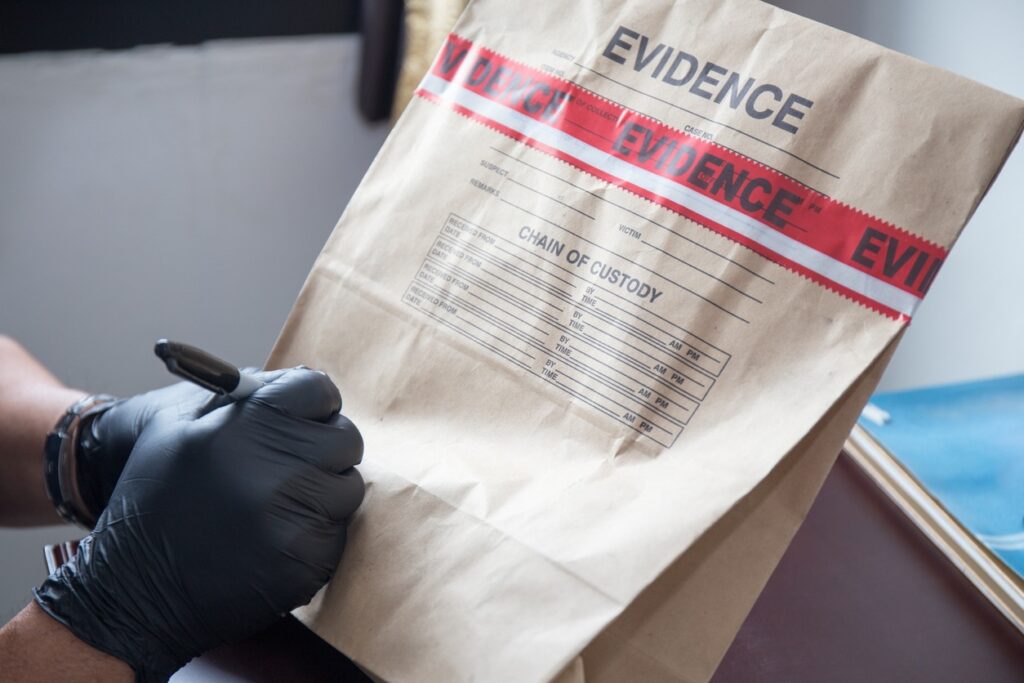
Courts look for evidence that meets three key criteria: relevance, reliability, and credibility. What evidence is needed for sexual assault cases? It depends on the nature of the assault and the available materials, but typically includes:
- Forensic evidence
DNA, fingerprints, and other physical traces.
- Medical records
Documentation of injuries and examinations conducted after the assault.
- Digital communications
Texts, emails, or social media messages that provide context.
- Witness statements
Verification of timelines, interactions, or corroboration of claims.
- Documentation of consent
Evidence showing whether or not consent was given.
How Sexual Assault Cases Are Proven
Sexual assault cases are proven by showing, beyond a reasonable doubt, that the assault occurred and that consent was absent. Evidence is evaluated in combination, not in isolation. Courts consider:
- Corroboration: Multiple types of evidence supporting the same claim strengthen the case.
- Timelines: Establishing precise timelines helps verify the sequence of events.
- Consistency: Consistent statements that align with physical and digital evidence add credibility.
Even when direct witnesses are unavailable, a combination of forensic, digital, and testimonial evidence can build a compelling case.
Common Misconceptions About Sexual Assault Evidence
- No visible injuries means no assault occurred. Sexual assault can occur without physical harm. Psychological trauma and non-physical assaults are recognized legally.
- Digital evidence always proves the truth. Messages can be misinterpreted; context matters.
- Witnesses are required. Many sexual assaults occur in private, so physical, digital, and testimonial evidence often suffice.
Steps to Preserve Sexual Assault Evidence
Timely preservation of evidence is crucial. Here are essential steps:
- Seek immediate medical attention. Forensic samples degrade quickly, so prompt care is vital.
- Document all details. Keep notes, messages, emails, or social media interactions.
- Avoid contact with the suspect. Prevent contamination or loss of evidence.
- Consult legal counsel. Lawyers ensure proper collection and presentation of evidence.
The Role of Consent in Sexual Assault Evidence
Consent is central in determining sexual assault. Courts assess whether consent was:
- Voluntary: Free from coercion, force, or manipulation.
- Clear: Expressed explicitly or implied through actions.
- Continuous: Present throughout the encounter.
Because legal definitions of consent can be complex, especially in Canada, victims and their support network may find it helpful to review official guidance from the Department of Justice, which outlines how consent is interpreted and the rights available to victims.
Evidence such as messages, videos, or witness testimony can provide critical insight into consent, making it one of the most important aspects of sexual assault evidence.
Evidence as the Key to Justice
Evidence used in sexual assault cases shapes outcomes and influences both conviction and acquittal. Forensic, digital, testimonial, and behavioral evidence all contribute to forming a complete picture of events.
Recognizing what types of evidence are required for sexual assault cases and how each is evaluated allows victims and defendants to navigate the legal system with clarity and confidence.
Sexual assault evidence explained shows that no single type guarantees results, as strong cases rely on careful collection, corroboration, and presentation of multiple forms of evidence. Proper preservation and handling of evidence remain essential steps toward achieving justice.
If you want to know about 5 Mistakes to Avoid When Facing Sex Crime Charges then visit our Criminal Law category.