


An uncontested divorce is one of the most efficient legal methods for ending a marriage when both spouses agree on key issues without lengthy courtroom proceedings. The guide explains the legal framework governing divorce across different states, including California Family Code Section 2320 and New York Domestic Relations Law Section 236(B).
It also covers residency requirements, filing procedures, court reviews, property division, debt allocation, child support obligations, and final judgments. Readers will learn how an uncontested divorce can reduce costs, with some cases costing $2,500 to $5,000, compared to contested proceedings that can exceed $20,000. Additionally, the discussion highlights filing fees of $335 and $435, support calculations reaching $1,200 monthly, and the role of courts in ensuring legal compliance.
| Basics | Details |
| Legal Framework | States govern divorce differently |
| Property Laws | California Section 2320 applies |
| Spousal Support | New York Law 236(B) applies |
| Court Oversight | Judges review income, assets |
| Core Requirements | Agreement on custody and property |
| Florida Statutes | Chapter 61 regulates parenting. |
| Verification | Judges check signatures, fairness. |
| Residency Rules | Texas requires six months. |
| Filing Documents | Include Form 8.001 affidavit |
| Financial Benefits | Costs lower than litigation |
| Average Costs | Contested $20,000, uncontested $2,500 |
| Mediators Assistance | LegalZoom, Wevorce assist filings |
| Property Division | Community property law applies. |
| Debt Allocation | Mortgages, loans assigned fairly |
| Child Support | Based on combined parent income |
| Final Judgment | Courts enforce compliance strictly. |
Legal Framework for Divorce
Family law in the United States varies by state, but nearly all jurisdictions recognize dissolution agreements where spouses resolve disputes voluntarily. In California, Family Code Section 2320 governs property division, while New York Domestic Relations Law Section 236(B) handles spousal support. Courts, including the Los Angeles Superior Court and the New York Supreme Court, require both parties to disclose their income, assets, and debts before full approval is granted.
Core Requirements of an Uncontested Divorce

- An uncontested divorce allows spouses to reach a complete agreement on marital property, child custody, visitation schedules, debt responsibility, and spousal support.
- For example, in Florida, Chapter 61 of the Florida Statutes regulates parenting plans, and the Miami-Dade County Family Court ensures agreements comply with state guidelines.
- Judges verify the voluntary nature of signatures, fairness, and compliance with statutes, thereby allowing the process to bypass lengthy litigation entirely.
Residency and Filing Rules
To file legally, spouses must meet the state’s residency requirements. Texas requires at least 6 months’ residency and at least 90 days’ county residency. Filing must include Form 8.001 for the petition, supported by a sworn financial affidavit detailing earnings above $60,000 annually or property worth more than $100,000. Courts review documentation to ensure compliance before scheduling hearings or approving administrative submissions.
Financial Advantages

- An Uncontested divorce significantly reduces litigation costs.
- Average contested divorces in California can exceed $20,000 per spouse in attorney fees, while uncontested settlements can cost as little as $2,500–$5,000.
- Mediators or firms such as LegalZoom and Wevorce assist with agreements.
- Judges at the Los Angeles County Superior Court often approve these settlements after brief hearings, saving clients time, stress, and resources.
Property Division and Debt Allocation
Division of assets follows state-specific rules. California’s community property law (Family Code Sections 2550–2558) requires equal division of marital assets, while separate property remains with the original owner. Marital debt, including mortgages and credit card debt, is allocated in the settlement. Courts in Cook County, Illinois, frequently review detailed spreadsheets listing property values, bank accounts, and business equity.
Child Custody and Support
An Uncontested divorce involving children must provide clear parenting plans. Under U.S. federal Child Support Guidelines, parents calculate their obligations based on combined income; for example, parents earning $70,000 and $50,000 annually may owe $1,200 per month in shared support. Courts, such as the Family Court of Queens County, evaluate arrangements, healthcare provisions, and visitation schedules.
Filing Procedures and Required Courts
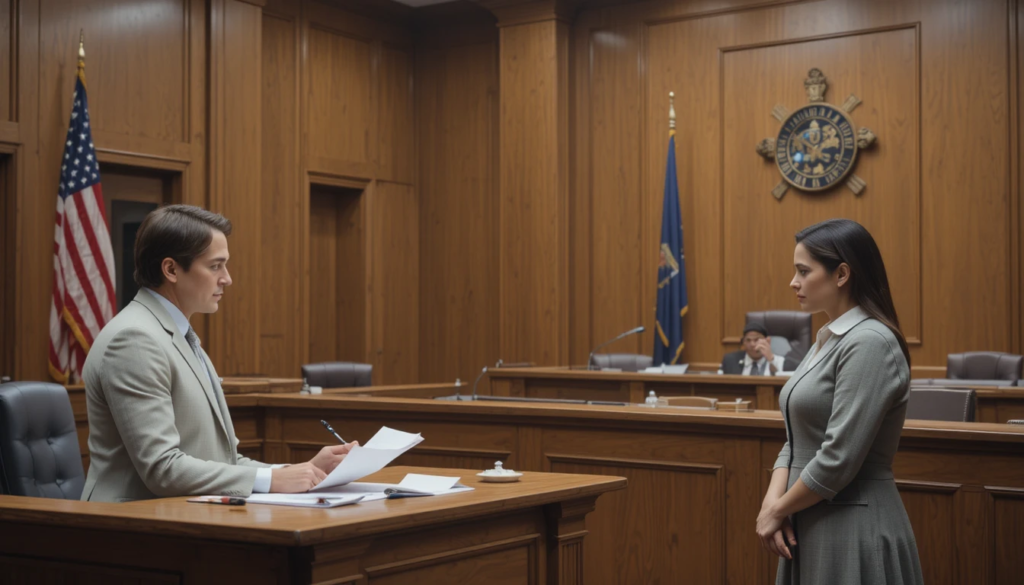
As Filing begins by submitting petitions to the relevant family court, along with all financial disclosures, property lists, and parenting plans if children are involved. Filing fees vary: New York City charges $335 for a divorce petition, while Los Angeles County charges $435. Courts review forms for completeness; incomplete submissions are rejected, delaying the process. Accurate Filing ensures efficiency and judicial compliance across local jurisdictions.
Court Review
A judge must approve an Uncontested divorce to become legally binding. Courts verify that both spouses acted voluntarily and that settlements meet statutory fairness standards. Family courts, including the Orange County Superior Court or the Broward County Family Court, may conduct hearings lasting 30 minutes or less. Judges confirm the validity of property division, child support calculations, and adherence to Family Code or Domestic Relations Law requirements.
Avoiding Legal Errors

- Mistakes in filings, such as incomplete financial disclosure or failing to list jointly held properties, can cause delays.
- Omitting retirement accounts, business interests, or liabilities, such as student loans, can render agreements unenforceable.
- Legal advisors recommend reviewing each section to ensure clarity and compliance with statutes.
- Accurate filings protect the rights of both spouses and children, avoiding litigation in courts such as San Diego or Miami-Dade Family Court.
Concluding Stage for Divorce
An Uncontested divorce concludes when the judge issues the final judgment. The decree enforces property division, child support, spousal support, and parenting plans. Courts retain authority to enforce compliance; failure may result in contempt proceedings. For instance, the Los Angeles County Family Court and the Miami-Dade Family Court can issue wage garnishments or property liens if parties fail to comply.

Conclusion
An uncontested divorce provides a cost-effective and efficient way for spouses to end their marriage legally, with typical settlements ranging from $2,500 to $5,000, compared to contested divorces, which can exceed $20,000. Key features include clear agreements on property, debt allocation, child custody, and support, in accordance with laws such as California Family Code Section 2320 and New York Law 236(B). Courts, such as the Los Angeles County Family Court or the Miami-Dade Family Court, verify fairness and compliance, ensuring that judgments are enforceable. This process reduces stress, shortens timelines, and effectively protects both parties’ legal rights.
Want to know about What Happens During Divorce Mediation and How Should You Prepare? Check out our Family Law category.
FAQs
Costs range from $2,500 to $5,000 in most cases, compared to contested divorces, which can exceed $20,000 per spouse, depending on attorney fees and court involvement.
When both parties agree on all matters, the process can be completed in a few weeks to three months, depending on state laws and court schedules.
Courts such as the Los Angeles County Family Court, the Miami-Dade Family Court, and the Queens County Family Court review and approve agreements to ensure compliance with the law.
Essential documents include the petition, financial disclosures, property lists, and parenting plans if children are involved. Filing fees vary, e.g., $335 in New York, $435 in Los Angeles.
Support is based on combined parental income; for instance, parents earning $70,000 and $50,000 may owe $1,200 per month, following federal and state child support guidelines.







