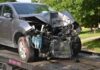
A personal injury accident in Toronto can leave you shaken and unsure of what to do next. In those first moments, your choices can affect your health, your insurance claim, and your legal rights.
You should focus on your safety, get medical care, document what happened, report the incident, and protect your rights when dealing with insurers. Taking clear steps right away helps you stay in control and avoid mistakes that could harm your recovery or compensation.
Ensure your safety and seek immediate medical attention, even if injuries seem minor.
Your safety comes first after any personal injury accident in Toronto. Move to a safe area if you can, and call 911 if anyone needs urgent help. Do not stay in traffic or near other hazards.
Even if you feel fine, seek medical care right away. Some injuries, such as concussions or soft tissue damage, may not show symptoms at first. A doctor can assess your condition and document your injuries.
Prompt medical records can also support your claim if you later speak with experienced personal injury lawyers in Toronto about your options. Clear records connect your injuries to the accident. This step helps protect both your health and your legal rights.
Follow all treatment advice and attend follow-up visits. Keep copies of medical reports, prescriptions, and receipts. Taking these steps shows that you treat your recovery seriously.
Document the scene by taking photos, noting details, and gathering witness information.
Start documenting the scene as soon as it is safe. Use your phone to take clear photos and short videos from different angles. Capture the position of vehicles, damage, skid marks, road signs, traffic lights, and weather conditions.
Take both wide shots and close-ups. Show how each vehicle sits on the road, then focus on specific damage. If you have visible injuries, photograph them as well.
Write down key details while they are fresh in your mind. Note the time, date, location, road conditions, and what happened before and after the accident. Record the badge number and name of any responding police officer.
Speak to witnesses and ask for their names and contact information. If they agree, write a short summary of what they saw. Accurate records can support your insurance claim and any legal action you may take in Toronto.
Report the accident to the police and obtain a copy of the incident report.
Call the police as soon as possible after the accident. In Toronto, you must report collisions that involve injuries or significant property damage. If officers attend the scene, they will gather details and prepare an official report.
Provide clear and accurate information about what happened. Do not admit fault or guess about the cause. Stick to the facts and answer the officer’s questions directly.
If police do not attend, you may need to report the accident at a Collision Reporting Centre. Do this within the required time frame to avoid penalties.
Ask how to get a copy of the incident report. You can usually request it from the Toronto Police Service, either online or in person, by completing a request form and paying a fee.
Keep a copy of the report for your records. You may need it when you file an insurance claim or take legal action.
Notify your insurance company promptly to begin the claims process.
Contact your insurance company as soon as possible after the accident. Many insurers require you to report a collision within a short time, often within 24 to 48 hours. Check your policy to confirm the exact deadline.
When you call, provide clear and accurate details. Share the date, time, and location of the accident, along with the names and contact information of other drivers or witnesses. Give a brief description of what happened and the injuries or damage involved.
Ask your insurer what documents they need. They may request photos, a police report number, medical records, or repair estimates. Submit these items within the time limits set out in your policy, which can range from a few months up to a year depending on the type of claim.
Keep a record of all communication with your insurer. Save emails, letters, and claim numbers so you can track the progress of your file.
Avoid speaking to the other party’s insurer without legal advice to protect your rights.
You may receive a call from the other party’s insurance adjuster soon after the accident. They might ask for a recorded statement or details about what happened. Do not agree to speak with them before you get legal advice.
The other insurer works to protect their company’s interests, not yours. Anything you say can affect your claim. Even simple comments about your injuries or fault may be used to reduce or deny compensation.
Limit what you share and avoid giving recorded statements. Do not guess about details or discuss your medical condition in depth. Stick to basic facts only if required.
Speak with a personal injury lawyer or your own insurer first. They can explain your rights and guide you on what to say. This step helps you protect your claim and avoid mistakes that could harm your case.
Conclusion
You protect your health and your legal rights when you act quickly after a personal injury accident in Toronto. Seek medical care right away, report the incident, gather evidence, and notify your insurance company without delay.
You also strengthen your position when you keep records and avoid speaking to other insurers before you understand your rights. Careful steps in the first hours and days can affect your recovery and any future claim.
By staying calm and following clear actions, you place yourself in the best position to move forward with confidence and protect your interests.
Apart from that, if you want to know more about What Evidence Is Needed for a Brain Injury Claim? 5 Things to Gather then visit our Accidents Law category.