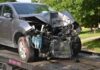
A hit-and-run accident is one of the most unsettling experiences a driver can face. In a matter of seconds, you may find yourself dealing with vehicle damage, injuries, and the shock of watching another driver leave the scene without taking responsibility. This type of accident often leaves victims confused about what to do next and worried about financial and legal consequences.
Knowing the correct steps to take after a hit-and-run accident can make a major difference in protecting your safety, preserving evidence, and ensuring your rights are not overlooked. Acting calmly and methodically allows you to regain control of the situation and prepare for the next steps that follow.
Prioritize Safety Immediately After the Crash
The moments following an accident are critical. Your first responsibility is to ensure your safety and the safety of anyone traveling with you. If your vehicle is still operational, move it carefully to the side of the road or another safe location where it will not block traffic or increase the risk of additional collisions.
Turning on your hazard lights helps alert other drivers and reduces the likelihood of further accidents. Once you are in a safe position, take a moment to check yourself and your passengers for injuries. Even if injuries seem minor, it is important to take them seriously. Some injuries do not show immediate symptoms, especially when adrenaline is high.
If anyone is injured, contacting emergency services should be your next step. Prompt medical attention can prevent complications and create an official record of injuries that may later be relevant in insurance or legal matters.
Contact Law Enforcement Without Delay
Calling the police after a hit-and-run accident is not optional. It is one of the most important steps you can take once the other driver leaves the scene. A police report creates an official record of what happened, which insurance companies rely on when reviewing claims and which investigators use as a starting point for identifying the fleeing driver.
When speaking with the dispatcher, provide clear and accurate details about your location and the direction the other vehicle traveled. Even small details, such as the color of the car or a partial license plate number, can help authorities narrow their search. Staying calm during this call helps ensure that emergency responders receive the information they need without confusion.
After the initial report is filed, the focus often shifts to the complexities of liability and potential legal consequences. This is especially true if the other driver is eventually identified or if conflicting accounts of the event arise. In these instances, the situation can quickly evolve into a formal investigation where professional guidance is essential. Firms like Twibell Pierson specialize in navigating these disputes, providing a strong hit and run legal defense to ensure your rights are protected and your side of the story is accurately represented throughout the process.
When officers arrive, answer their questions honestly and provide every detail you can remember. Before leaving the scene, ask how you can obtain a copy of the police report, since it will likely be needed during the insurance process.
Try to Remember Details About the Fleeing Vehicle
Even though the responsible driver has left the scene, any information you remember can help investigators identify them. Immediately after the accident, take a few moments to think about what you saw.
Small details can make a big difference. The color of the vehicle, the type of car, or even a partial license plate number may help authorities narrow their search. Unique features such as visible dents, bumper stickers, or broken headlights can also provide useful clues.
Witnesses can also play an important role. If anyone nearby saw the accident, ask for their contact details. Independent witnesses often provide statements that strengthen insurance claims and assist police investigations.
Taking photos of the accident scene is equally important. Capture clear images of your vehicle, visible damage, debris on the road, and surrounding traffic signs. These photographs can later serve as valuable evidence that supports your version of events.
Seek Medical Evaluation Even If You Feel Fine
After the initial shock wears off, many accident victims assume they are unharmed because they do not feel immediate pain. However, injuries such as whiplash, soft tissue damage, or internal trauma can take hours or even days to appear.
Visiting a healthcare professional soon after the accident allows medical providers to identify hidden injuries and begin treatment before symptoms worsen. This medical visit also creates documentation that connects your injuries to the accident, which is important when filing insurance claims.
Keep copies of medical records, prescriptions, and treatment plans. These documents provide proof of injury and help calculate the total cost of medical care.
Ignoring medical care can create long-term complications and may weaken your ability to receive fair compensation.
Notify Your Insurance Provider Promptly
Informing your insurance company about the accident should happen as soon as possible. Many insurance policies require prompt reporting, and delays could complicate your claim.
When you contact your insurer, provide accurate details about the accident. Share your police report number, photographs, and any witness information you collected. Be honest about what happened, even if certain details are unclear.
Insurance companies often review policy coverage related to uninsured motorists in hit-and-run situations. This type of coverage may help pay for vehicle repairs, medical bills, and other losses when the responsible driver cannot be identified.
Maintaining open communication with your insurance company helps prevent misunderstandings and keeps the claims process moving forward.
Keep Detailed Records of Every Expense
Hit-and-run accidents can create unexpected financial pressure. Costs may include vehicle repairs, medical bills, transportation expenses, and lost income due to missed work.
Keeping organized records allows you to track every expense related to the accident. Save receipts for vehicle repairs, medications, and medical visits. If your injuries prevent you from working, document missed workdays and income losses.
Maintaining written notes about conversations with insurance representatives can also be helpful. Record dates, names, and summaries of what was discussed. These records provide clarity if disputes arise later.
Proper documentation strengthens your claim and ensures that no expenses are overlooked.
Understand the Legal Options Available to You
Legal concerns often arise in hit-and-run cases, particularly when injuries or major financial losses are involved. Understanding your rights helps you make informed decisions and avoid unnecessary stress.
Victims may have the option to seek compensation for medical treatment, property damage, and lost wages. In some cases, emotional distress and long-term injuries may also be considered during settlement discussions.
If the responsible driver is eventually identified, additional legal options may become available. Law enforcement investigations sometimes uncover new information weeks or months after the initial incident.
Consulting a legal professional can help clarify your options and ensure that your interests are protected throughout the process.
Monitor Your Health in the Days That Follow
Recovery does not end once you leave the accident scene. Many symptoms appear gradually, making it important to pay close attention to changes in your physical condition.
Common delayed symptoms include headaches, stiffness, dizziness, and unusual fatigue. Emotional symptoms such as anxiety, sleep disturbances, or fear of driving can also develop after traumatic incidents.
If new symptoms appear, seek medical attention promptly. Inform your healthcare provider that you were involved in a hit-and-run accident so they can evaluate you appropriately.
Early treatment improves recovery outcomes and supports accurate medical documentation.
The Role of Investigations in Hit-and-Run Cases
After reporting the accident, law enforcement may begin an investigation to identify the fleeing driver. Investigators often rely on multiple sources of information to piece together what happened.
Traffic cameras located near intersections sometimes capture valuable footage that reveals vehicle details or license plate numbers. Nearby businesses or homes may also have surveillance systems that recorded the incident.
Witness statements, physical evidence from the scene, and insurance databases can further support investigative efforts. While some cases are resolved quickly, others take time as investigators gather additional information.
Patience is often necessary during this process, but providing accurate details early improves the chances of locating the responsible driver.
Emotional Recovery Matters Too
While physical injuries often receive immediate attention, emotional recovery is just as important. Being involved in a hit-and-run accident can leave lasting emotional effects that interfere with daily life.
Victims frequently experience frustration, anxiety, or hesitation when returning to driving. These feelings are normal responses to stressful events. Speaking openly with trusted friends or family members can provide emotional support and reassurance.
If anxiety persists, professional counseling may help address lingering fears. Taking gradual steps toward resuming normal driving habits can rebuild confidence and restore a sense of independence.
Emotional well-being plays a major role in overall recovery.
Preventive Measures for Future Protection
Although no one can completely prevent accidents caused by reckless drivers, certain precautions can reduce risks and improve preparedness.
Installing a dashboard camera has become increasingly popular among drivers. Video footage provides clear documentation of road events and may help identify drivers who attempt to flee after collisions.
Parking in well-lit areas and maintaining sufficient insurance coverage also improves protection against unexpected incidents. Staying alert and practicing defensive driving habits reduces exposure to dangerous situations.
Preparation provides peace of mind and strengthens your ability to respond effectively if another incident occurs.
Conclusion
A hit-and-run accident can feel overwhelming, especially when the responsible driver disappears without taking responsibility. However, taking the right steps immediately after the incident can protect your safety, preserve evidence, and improve your chances of financial and legal recovery.
Focusing on safety, reporting the accident promptly, documenting evidence, and seeking medical care are the most important actions you can take. Maintaining organized records and understanding your legal rights further strengthens your position as you move through the recovery process.
Although the experience can be stressful, informed decisions and careful preparation can make a significant difference. With the right approach and attention to detail, it becomes possible to handle the aftermath of a hit-and-run accident with greater confidence and clarity.
Apart from that, if you want to know more about When Should You Hire a DUI Accident Lawyer then visit our Accidents Law category.