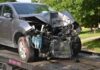
Drivers expect predictable conditions when they get behind the wheel, but roads don’t always cooperate. Unexpected hazards—like loose cargo, fallen construction materials, or debris from other vehicles—can appear suddenly and cause serious damage. In many cases, these incidents happen too quickly for drivers to react, leaving them with repair costs and a key question: who is responsible?
Understanding how liability works in these situations can help drivers make informed decisions after an incident and avoid common mistakes.
Common Sources of Road Debris
Road debris can come from a wide range of sources, and identifying where it came from is often the first step in evaluating responsibility.
Some of the most common causes include unsecured loads from trucks, tire blowouts that scatter fragments across lanes, and construction materials left behind after road work. Natural events, such as strong winds or fallen branches, can also create hazardous conditions. In urban areas, poorly maintained vehicles may drop parts or fluids that lead to secondary damage.
While the type of debris varies, the legal questions tend to center on whether someone failed to take reasonable precautions.
The Role of Negligence in Debris-Related Incidents
Liability in most road incidents is based on negligence. This means determining whether a person or entity failed to act with reasonable care under the circumstances.
For example, a truck driver who does not properly secure cargo may be held responsible if that cargo falls onto the roadway and causes damage. Similarly, a company responsible for road maintenance could face liability if debris is left in a dangerous condition without warning signs or cleanup.
However, not every situation involves clear negligence. Sometimes debris appears without warning and without an identifiable source, making fault harder to establish.
Challenges in Identifying the Responsible Party
One of the biggest difficulties in debris-related cases is figuring out where the object came from. Unlike typical car accidents, where two or more drivers are directly involved, debris incidents often lack a clearly identifiable party.
If a driver strikes an object already lying in the road, it may not be immediately clear who placed it there or how long it has been present. In these cases, evidence becomes especially important. Dashcam footage, witness statements, and photos from the scene can all help piece together what happened.
Understanding the process of determining liability for debris hitting a car often depends on whether a direct connection can be made between the debris and a specific party or entity. Without that connection, responsibility may shift in unexpected ways, including to insurance coverage rather than another driver.
When Multiple Parties May Be Involved
In some situations, more than one party could share responsibility. For instance, if a contractor fails to secure materials and a separate driver swerves to avoid them, causing a chain reaction, liability may be divided.
Courts and insurers may look at several factors, including:
- Whether the debris was preventable
- How long the hazard was present
- Whether other drivers acted reasonably when encountering it
These situations can become complex quickly, especially when multiple vehicles are involved or when the original source of the debris is not immediately identified.
What Drivers Should Do After Hitting Road Debris
Taking the right steps after an incident can make a significant difference in how a claim or legal issue unfolds.
First, ensure safety by moving to a secure location if possible. Document the scene thoroughly, including photos of the debris, vehicle damage, and surrounding conditions. If other vehicles are involved, exchange information just as you would in a typical accident.
Reporting the incident to local authorities can also help create an official record, which may be useful later. Even if the damage seems minor, having documentation can support any future claims or disputes.
Insurance Considerations
When liability is unclear or cannot be assigned to another party, insurance coverage often plays a central role. Comprehensive coverage typically applies to damage caused by objects, while collision coverage may come into play depending on how the incident occurred.
Policy details vary, so drivers should review their coverage to understand what is included and what documentation may be required when filing a claim.
In some cases, insurers may attempt to recover costs from a responsible third party if one can be identified later. This process, known as subrogation, can shift financial responsibility after the fact.
Why These Cases Are Often Misunderstood
Debris-related incidents fall into a gray area between single-vehicle accidents and multi-party collisions. Because there isn’t always another driver present, many people assume there is no opportunity to establish liability.
In reality, each situation depends heavily on the facts. The presence of negligence, the availability of evidence, and the ability to trace the source of the debris all play a role in determining the outcome.
Legal standards are designed to evaluate responsibility fairly, but they require a careful look at the circumstances rather than assumptions.
Apart from that, if you want to know more about When Is It Worth Hiring a Personal Injury Lawyer? A Clear Breakdown then visit our Accidents Law category.