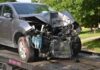
Las Vegas produces an unusual share of personal injury claims for a metropolitan area of its size, and the reason is structural rather than cultural. Clark County hosts tens of millions of visitors a year in a four-mile corridor with continuous pedestrian traffic, round-the-clock alcohol service, one of the densest concentrations of rideshare and taxi vehicles in the country, and a small number of very large property operators who own the sidewalks, escalators, garages, and casino floors those visitors move through. Add a persistent construction cycle and an interstate that carries weekend traffic from Southern California, and the exposure is baked in. We cover this in more depth in Las Vegas Personal Injury Lawyer for Accident and Injury Claims.
What makes these claims legally distinctive is that a large fraction of the injured people do not live in Nevada. They fly home within days, treat with providers in another state, and then try to litigate under Nevada law from two time zones away. That combination is why working with an experienced Las Vegas Personal Injury Lawyer who practices in the Eighth Judicial District matters more here than in an ordinary local injury case: the deadlines, the damage caps, and the evidence preservation windows are all Nevada-specific, and they start running the day of the incident.
Why claim volume concentrates in Clark County
Four features of the market drive the numbers. First, pedestrian density: the resort corridor moves enormous foot traffic across elevated walkways, escalators, and moving sidewalks, and mixes it with vehicle traffic at crossings designed for a smaller city. Second, vehicle-for-hire saturation: rideshare, taxi, shuttle, and limousine density around the airport and the corridor produces a high rate of commercial vehicle collisions, each with layered coverage questions between personal policies and commercial ones.
Third, premises exposure is concentrated in a handful of sophisticated operators with in-house risk management, standing defense counsel, and surveillance systems that record everything and retain it briefly. Fourth, alcohol is available continuously and marketed heavily, which affects both driver behavior and premises incidents. Nevada handles over-consumption incidents very differently from most states, and that difference is discussed below because it eliminates an entire category of defendant.
The Nevada rules that actually set the value of a claim
| Issue | Nevada position | Practical effect |
|---|---|---|
| Deadline to sue | Two years for personal injury under NRS 11.190(4)(e) | Shorter than many states; runs from the injury date |
| Fault allocation | Modified comparative negligence under NRS 41.141 | Recovery is barred if your fault exceeds that of the defendants combined |
| No-fault or PIP | Nevada is an at-fault state with no required PIP | Medical bills are not paid automatically; coverage must be found |
| Minimum liability limits | 25,000 per person and 50,000 per accident for bodily injury | Serious injuries routinely exceed the at-fault policy |
| Punitive damages | Capped by NRS 42.005 with defined exceptions | Three times compensatory damages, or 300,000 where compensatory is under 100,000 |
| Claims against government | Capped by NRS 41.035 | 200,000 per cause of action, with no punitive damages available |
| Medical malpractice | Statutory cap on non-economic damages | Historically 350,000; amended in 2023 to increase in annual steps |
| Collateral sources | Evidence of other payment sources is generally inadmissible | Insurance write-offs do not automatically reduce the claim before a jury |
Two of these deserve emphasis because they surprise out-of-state claimants. The comparative fault rule is a bar, not just a reduction: if a jury assigns you fifty-one percent of the fault, you recover nothing, which makes even modest arguments about distraction, footwear, or intoxication worth defending seriously. And the two-year limitations period is shorter than the three years many visitors assume from their home state. Claims against a public entity, such as a Regional Transportation Commission bus or a municipal road defect, carry additional notice requirements and the statutory cap.
The dram shop gap
Nevada does not impose general civil liability on bars, casinos, or restaurants for injuries caused by an intoxicated patron. NRS 41.1305 shields those who serve alcohol to adults, leaving the intoxicated driver or patron as the only defendant, with a limited exception where alcohol was knowingly served to a person under twenty-one who then causes death or injury. In most states a drunk driving case includes a solvent commercial defendant. In Nevada it usually does not, which means the recovery is often limited to the driver’s policy and the claimant’s own underinsured motorist coverage.
Casino and resort premises claims
Premises cases against major operators are won or lost on evidence that exists for a short time. Properties record extensive surveillance, but retention periods are measured in days or weeks unless a hold is placed, and once footage cycles it is gone. The same is true of housekeeping logs, inspection sheets, and the internal incident report generated by security within an hour of the event. A written preservation letter identifying the date, time, location, camera views, and specific records should go out immediately, ideally before the claimant leaves Nevada.
- Report the incident to security or the front desk and insist an incident report is created before you leave the property
- Ask for the report number, the name and badge number of the responding officer, and the name of the manager on duty
- Photograph the hazard, the surrounding lighting, any warning signage, and your footwear, from several angles
- Identify witnesses and get phone numbers, because visitors disperse within days and are effectively unreachable afterward
- Send a preservation letter naming the specific cameras and time window before surveillance retention lapses
- Get evaluated at a Las Vegas emergency room or urgent care before flying home, so the record ties the injury to the location
- Keep the boarding passes, hotel folio, and rideshare receipts that place you at the scene at a specific time
The out-of-state claimant problem
Most visitors fly home before symptoms fully develop, and the resulting record is fragmented across two states. Defense counsel uses that fragmentation in a predictable way: the gap between the Las Vegas emergency department visit and the first appointment at home becomes an argument that the injury resolved, and any inconsistency between how the event was described in each state becomes an attack on credibility. The countermeasure is unglamorous, which is to make sure every provider records the same mechanism of injury in the same terms. Modern documentation tools help here, and the discussion in How an AI Scribe for Doctors Improves Patient Conversations explains why accurate intake capture matters well beyond the clinical setting.
Jurisdiction is rarely the obstacle people expect. An injury that occurred in Nevada is generally litigated in Nevada, and Nevada courts have long accommodated out-of-state plaintiffs through remote depositions, telephonic status conferences, and counsel appearances. What genuinely complicates the case is medical lien coordination across states, since Nevada hospital liens under NRS 108.590 operate on different terms than the health plan or Medicare reimbursement claim that will follow the claimant home.
How a Clark County case actually moves
- Pre-suit demand. Most claims resolve here, after treatment reaches a stable point and the medical record supports a computation of damages.
- Complaint and service. Filed in the Eighth Judicial District Court for Clark County unless the amount is small enough for justice court.
- Early case conference under the Nevada Rules of Civil Procedure, where the parties exchange disclosures and produce a joint case conference report that sets the discovery schedule.
- Court-annexed arbitration. Cases with a probable award under fifty thousand dollars are generally routed to the mandatory non-binding arbitration program, with a right to request a trial afterward.
- Discovery, including depositions, defense medical examinations, and expert disclosures on a court-set sequence.
- Settlement conference or private mediation, and offers of judgment under Rule 68, which shift certain costs and fees against a party who rejects an offer and does not do better at trial.
- Trial, or the short trial program for smaller cases, which uses a compressed one-day format with a reduced jury.
Frequently Asked Questions
How long do I have to file a personal injury claim in Nevada?
Two years from the date of injury for most personal injury claims, under NRS 11.190(4)(e). Wrongful death is also two years, running from the date of death. Claims against a state or local government entity are subject to additional notice requirements and the statutory damages cap, and professional negligence claims follow their own limitation rules. Missing the deadline ends the claim regardless of how strong the underlying facts are.
What happens if I was partly at fault?
Your recovery is reduced by your percentage of fault, and it is eliminated entirely if your fault exceeds the combined fault of the defendants under NRS 41.141. That fifty-one percent bar is why defense arguments about distraction, intoxication, or ignoring a warning sign are pressed so hard even in clear-liability cases. It also means adding a second defendant can help a plaintiff, because the comparison is against all defendants combined.
Can I sue a casino if I was over-served and then injured?
Generally no. Nevada law shields those who serve alcohol from civil liability for injuries caused by an intoxicated adult patron, which is a significant departure from most states. The narrow exception involves knowingly serving a person under twenty-one who then causes injury or death. In practice, most alcohol-related claims in Las Vegas proceed against the intoxicated individual and against the claimant’s own uninsured or underinsured motorist coverage.
I live in another state. Do I have to come back to Las Vegas?
Usually not much, and often not at all before trial. Depositions, mediations, and status conferences are routinely handled remotely, and your attorney appears on your behalf for procedural matters. What does require attention is medical treatment: treating consistently at home and making sure your home providers document the Las Vegas incident accurately is far more important to the case than physical presence in Nevada.
What is my claim worth?
The realistic ceiling is set by available insurance more often than by the injury. With Nevada minimum limits at twenty-five thousand dollars per person, a serious injury caused by a minimum-limits driver exhausts the liability policy quickly, and the remaining sources are typically underinsured motorist coverage, a commercial policy if a vehicle-for-hire was involved, or an umbrella policy. Investigating all available coverage early is often worth more than negotiating hard against the first one found.
Do I need to report a rideshare accident differently?
Yes, report it in the app as well as to police, because the coverage that applies depends on the driver’s status at that moment. Commercial coverage generally applies at higher limits when a driver is en route to or transporting a passenger, and at much lower limits when the app is on but no trip is accepted. The trip record establishing that status is held by the platform and should be preserved promptly.
What to Do Next
If you were hurt in Las Vegas, do the two things that expire fastest before anything else: get an incident report number from the property or a police report number from the collision, and send a written preservation demand for surveillance footage covering the specific time and location. Both become impossible within weeks, and both are frequently the difference between a disputed claim and a settled one. Readers working through the broader process can continue with the Accidents Law coverage.
This article is general information about Nevada personal injury claims and is not legal advice for any particular case.