The zinus mattress lawsuit began in March 2020 when Illinois residents Amanda Chandler and Robert Durham filed claims after their Zinus Green Tea Memory Foam Mattress allegedly released fiberglass, causing skin irritation and home contamination. With over 60% fiberglass in its fire barrier, the product sparked broader concerns.
California mother Vanessa Gutierrez joined in 2021, citing damages exceeding $20,000.The zinus mattress lawsuit also named major retailers and raised legal issues under the Magnuson-Moss Warranty Act, pushing industry-wide changes and renewed focus on safety, transparency, and product labeling across budget mattress brands in the U.S. market.
| Basics | Details |
| Case Filed | March 2020, Illinois |
| Main Plaintiffs | Amanda Chandler, Robert Durham |
| Product Involved | Zinus Green Tea Memory Foam Mattress |
| Key Issue | Fiberglass leakage after unzipping the cover |
| Fiberglass Content | Over 60% in the fire barrier layer |
| Health Effects | Rashes, asthma, eye/skin irritation |
| Major Damage | Contamination of the home, clothes, and HVAC |
| Second Plaintiff | Vanessa Gutierrez, California, joined in 2021 |
| Estimated Loss | Gutierrez claimed $20,000+ in damages |
| Retailers Named | Amazon, Walmart, Wayfair, Target, eBay |
| Legal Claims | Warranty breach, deceptive marketing, product liability |
| Relevant Law | Magnuson-Moss Warranty Act |
| Zinus Response | Denied fault; cited label warnings |
| Product Update | Added locked zippers, clearer safety tags |
| Case Status | Some settled; many claims are still ongoing. |
Zinus Mattress Lawsuit Origins and Key Allegations
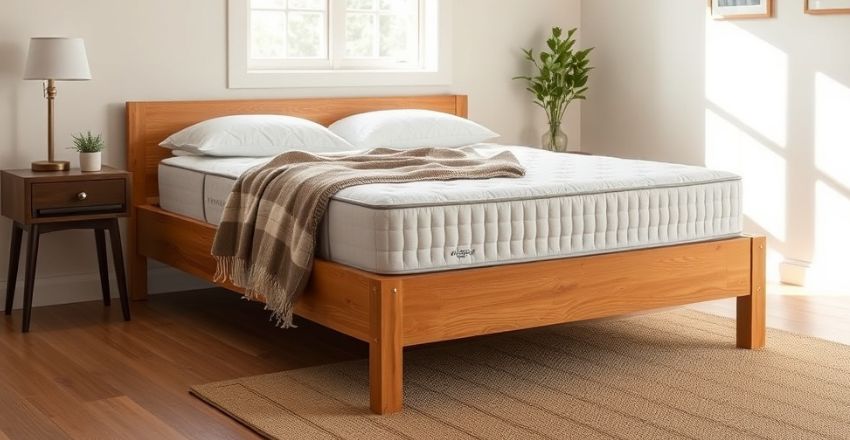
The zinus mattress lawsuit was first filed in March 2020 by Amanda Chandler and Robert Durham, residents of Illinois. They claimed their Zinus mattress released fiberglass particles into their home after they unzipped the outer cover to clean it.
The mattress reportedly had a fire barrier made of over 60% fiberglass. The plaintiffs stated that they experienced physical irritation and property contamination, and that the company failed to warn them about the potential risks involved.
Additional Plaintiffs and Health Complaints
- Another high-profile plaintiff, Vanessa Gutierrez from California, joined the lawsuit in 2021.
- She alleged that her children suffered from rashes and asthma after fiberglass fibers escaped from a Zinus Green Tea mattress purchased online in 2019.
- Gutierrez stated her family spent over $20,000 on medical care and cleanup.
- According to her claims, tiny fibers became embedded in carpets, clothing, and HVAC systems, requiring the family to discard many household items.
Retailers and Corporate Accountability
The zinus mattress lawsuit doesn’t only target Zinus, Inc., but also involves major retailers like Walmart, Amazon, Target, Wayfair, and eBay. These companies were accused of distributing a product without adequate safety information. Plaintiffs argue that mattress tags did mention fiberglass content but failed to provide warnings against opening the cover.
Legal Claims and Federal Law
Plaintiffs in the case cited violations of consumer protection laws, including deceptive marketing and breach of warranty. Legal arguments also reference the Magnuson-Moss Warranty Act, which protects consumers who purchase goods.
The claimants argue that Zinus knowingly concealed the dangers of its mattress design and misled customers into believing the product was safe. They are seeking compensation for health-related expenses, property damage, and the cost of replacing contaminated belongings.
Zinus’ Response and Ongoing Impact

Zinus responded by defending its use of fiberglass as a flame retardant, stating it meets safety standards. The company maintains that warnings were printed on mattress labels, advising consumers not to remove the outer cover.
Following the lawsuit, Zinus began updating product designs with non-removable covers and more prominent warnings. Although some cases have been dismissed or settled privately, the zinus mattress lawsuit continues to shape how consumers and companies view product transparency.
Industry-Wide Reactions
- The controversy sparked broader discussions within the mattress industry about the use of fiberglass as a flame retardant.
- Consumer advocacy groups also pushed for stricter labeling laws and more explicit guidance on product safety.
- While fiberglass is still legally permitted, public trust in budget mattress-in-a-box companies has taken a hit as more people have begun researching materials before making purchases.
Current Status of the Zinus Mattress Lawsuit

Some parts of the zinus mattress lawsuit have been dismissed or settled out of court. However, many claims remain active as more plaintiffs continue to come forward.
Arbitration clauses in the company’s terms have complicated some cases, preventing certain users from pursuing class action. Legal teams are advocating for transparency, accountability, and lasting changes to the way these mattresses are sold, marketed, and manufactured to ensure future safety.
Insurance Coverage and Compensation Challenges
Beyond health concerns and property contamination, the Zinus mattress lawsuit has also highlighted disputes involving homeowners’ and renters’ insurance claims. Many affected consumers reported that insurers were reluctant to cover fiberglass cleanup because contamination from mattress materials was not always clearly addressed in policy terms.
Professional remediation can cost thousands of dollars, especially when fiberglass spreads through ventilation systems, furniture, clothing, and electronics. As a result, plaintiffs have argued that manufacturers should bear greater responsibility for cleanup expenses when inadequate product warnings contribute to widespread household damage.
The outcome of these disputes could influence how insurers, manufacturers, and consumers handle similar product contamination claims in the future.
What Consumers Should Watch For?
- Individuals who suspect exposure to fiberglass should consult professionals for proper cleaning and consider seeking medical attention if symptoms develop.
- Experts advise checking product labels before purchasing foam mattresses and choosing brands that clearly state the absence of fiberglass or other irritants.
- The zinus mattress lawsuit has made consumers more cautious and better informed.
Conclusion
The zinus mattress lawsuit has highlighted serious safety and transparency issues in the mattress industry. It exposed risks associated with fiberglass materials and sparked significant changes in product design and labeling. While some cases have been settled, many remain active as affected families continue to seek justice.
This lawsuit serves as a reminder for consumers to stay informed and cautious when purchasing mattresses, and it pressures companies to prioritize safety and clear communication to protect their customers’ health and their homes.
Want to know about Craft Your Perfect Resume Without Breaking the Ban Check out our Legal Advice category.
FAQs
The zinus lawsuit involves claims that particular Zinus mattresses leaked fiberglass particles, causing health issues and property damage due to inadequate warnings about this risk.
The lawsuit was initially filed in March 2020 by Illinois residents who experienced fiberglass exposure after removing their mattress covers.
Amanda Chandler and Robert Durham from Illinois were the first to file, with Vanessa Gutierrez from California joining later due to similar complaints.
Reported health concerns include skin irritation, rashes, asthma symptoms, and eye discomfort caused by fiberglass escaping the mattress.
Major sellers, including Amazon, Walmart, Target, Wayfair, and eBay, are being named for distributing mattresses without proper safety information.