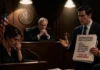
An arrest in California starts a clock that runs whether or not you are ready for it. Penal Code section 825 requires that an arrested person be taken before a magistrate within 48 hours, excluding Sundays and holidays, and almost everything that decides the case happens in the weeks that follow: what you said in the patrol car, whether you consented to a search of your phone, whether anyone requested body-worn camera footage before the agency purge date, and whether the prosecutor filed a wobbler as a felony or a misdemeanor.
Most people charged with a crime in this state are not career offenders. They are drivers, nurses, warehouse workers, and students who made one bad decision or were standing in the wrong parking lot. What separates a dismissed case from a felony conviction is rarely innocence in the abstract. It is whether someone who knows the local courthouse looked at the evidence while the charging decision was still open. Bringing in a criminal defense lawyer before the first court date matters more than almost any later step, because a deputy district attorney who has not yet filed can still be persuaded to file less, or nothing at all.
The First 72 Hours Are the Part You Cannot Redo
Police are allowed to lie to you during questioning. They are allowed to say a co-defendant already confessed, that the camera caught everything, or that talking now is the only way to go home tonight. None of that is misconduct under California law, and none of it obligates you to answer. The only reliable move is to invoke both rights unambiguously and then actually stop talking. Saying that you think you might want a lawyer is not an invocation; saying that you are invoking your right to remain silent and want an attorney is.
Those first days are also when physical proof disappears. Surveillance video from a gas station or apartment complex is often overwritten in seven to thirty days. Body camera and dashcam retention varies by agency. A defense attorney can send a preservation letter immediately, which is one of the concrete ways to protect your rights before the evidence question becomes unanswerable.
- Do not discuss the facts on recorded jail phone lines. Every call except a properly placed attorney call is recorded and routinely reviewed by prosecutors.
- Do not consent to a search of your vehicle, phone, or home. Refusing is not a crime and cannot itself be used against you.
- Write down everything you remember the same day: names, times, weather, who was present, what officers said and in what order.
- Photograph injuries, damaged property, and the scene while conditions still match the night in question.
- Collect contact details for witnesses before they move, change numbers, or lose interest.
- Say nothing about the case on social media, including private accounts and group chats, which are routinely subpoenaed.
Infraction, Misdemeanor, or Felony: The Label Controls Everything
California sorts offenses into three tiers, and the tier decides whether you get a jury, how long the case takes, and what the record does to you afterward. Understanding where your charge sits is the first practical question to answer.
| Feature | Infraction | Misdemeanor | Felony |
|---|---|---|---|
| Maximum custody | None | Up to 364 days in county jail for most offenses | County prison term or state prison, depending on the offense |
| Right to a jury trial | No | Yes | Yes |
| Right to appointed counsel | Generally no | Yes | Yes |
| Typical resolution time | One or two hearings | Two to six months | Six months to well over a year |
| Preliminary hearing | No | No | Yes, normally within 10 court days of arraignment |
Wobblers and Penal Code Section 17(b)
A large share of California offenses are wobblers, meaning the same statute can be charged either way. Grand theft, many assault charges, and numerous fraud and weapons counts all wobble. The prosecutor picks the level at filing, but a judge retains authority under Penal Code section 17(b) to reduce a felony wobbler to a misdemeanor at the preliminary hearing, at sentencing, or later on a formal motion. That single motion often decides whether a client keeps a nursing license or a firearm right, so it deserves as much preparation as a suppression motion.
What Proposition 47 Changed
Proposition 47, approved by voters in 2014, reclassified several drug possession offenses and most theft-type offenses involving 950 dollars or less as misdemeanors, and it created a petition route for people already convicted of those crimes to have the conviction redesignated. The dollar threshold matters enormously in shoplifting and receiving-stolen-property cases, which is why an early valuation dispute over what an item was really worth is often the whole defense.
When the Case Is Federal Instead
Charges filed by a United States Attorney follow entirely different rules, with different sentencing math, different pretrial detention standards, and no state diversion options. If federal agents rather than local police made the contact, read Understanding Federal Criminal Charges in Los Angeles before assuming any of the state timelines below apply to your situation.
The California Timeline From Arraignment to Verdict
- Arraignment. The charges are read, a plea of not guilty is entered, and custody status is set. Under In re Humphrey, decided by the California Supreme Court in 2021, a court cannot detain someone simply because they cannot afford the bail schedule amount without considering ability to pay and less restrictive alternatives.
- Discovery. Penal Code section 1054.1 requires the prosecution to turn over police reports, witness statements, real evidence, and exculpatory material. Defense counsel usually has to push for body camera footage, dispatch audio, and lab bench notes by specific request.
- Pretrial conferences. Most cases resolve here across several settings while motions are briefed and the offer moves.
- Preliminary hearing, in felony cases. The judge decides only whether there is probable cause, a far lower bar than proof beyond a reasonable doubt, but it is the first chance to cross-examine the officer under oath and lock in testimony.
- Motions. Suppression, dismissal under Penal Code section 995, and evidentiary motions are litigated after the information is filed.
- Trial. Penal Code section 1382 sets the deadlines: 30 days from arraignment for an in-custody misdemeanor, 45 days if out of custody, and 60 days from arraignment on the information for a felony. Time is commonly waived, but that waiver is a strategic choice, not a formality.
- Sentencing. Probation eligibility, credits, restitution, and any negotiated terms are imposed, usually a few weeks after a plea or verdict.
What a Real Defense Looks Like Long Before Anyone Says Trial
The overwhelming majority of criminal cases never reach a jury. The work that changes outcomes is procedural, and it happens in filings that most clients never see argued.
Motions to Suppress Under Section 1538.5
If the stop, detention, or search violated the Fourth Amendment, the evidence it produced can be excluded. In practice this turns on narrow, checkable questions: did the officer have reasonable suspicion for the stop, did the traffic stop last longer than the reason that justified it, was the vehicle inventory search done under an actual written policy, and did the warrant affidavit contain a material falsehood. A granted suppression motion frequently ends the prosecution outright because nothing admissible remains.
Officer Records and Brady Material
A Pitchess motion, brought under Evidence Code sections 1043 through 1045, asks the court to review a law enforcement officer personnel file for prior complaints of dishonesty or excessive force. Separately, the prosecution has a constitutional duty under Brady v. Maryland to disclose exculpatory evidence, including known credibility problems with its own witnesses. Both tools matter most in cases that come down to one officer version against one defendant version.
Working With Your Own Attorney
Clear communication with your lawyer is not a soft skill in a criminal case, it is evidence management. Your attorney can only test the prosecution theory against facts you actually provide. Bring the unflattering details first, in writing, and bring them early. A defense built around a fact your lawyer learns for the first time during cross-examination is a defense that collapses in front of the jury.
Diversion and the Alternatives to a Conviction
California has expanded diversion substantially, and these programs are the difference between a dismissed case and a permanent record. Eligibility is technical and the request usually has to be made early.
- Drug diversion under Penal Code section 1000 for qualifying simple possession offenses, ending in dismissal after completion of a treatment program.
- Mental health diversion under Penal Code section 1001.36, available where a qualifying diagnosis played a significant role in the offense and the person consents to treatment.
- Military diversion under Penal Code section 1001.80 for current or former service members with trauma, substance use, or mental health conditions tied to service.
- Judicial misdemeanor diversion under Penal Code section 1001.95, which gives a judge discretion to divert many misdemeanors over prosecution objection.
- Deferred entry of judgment, informal diversion, and negotiated civil compromise in certain property cases.
Where diversion is unavailable, the realistic goal is often a plea to a lesser or differently labeled offense. Pleading to a charge that carries no immigration consequence, no firearm bar, or no mandatory licensing report can be worth far more than shaving 30 days off a jail term, and only a lawyer who asks about your job, your status, and your family obligations will know which trade is the right one.
What a Defense Costs in California
If you cannot afford counsel, the court appoints the public defender or a panel attorney after a financial declaration. Public defenders in California are experienced trial lawyers who carry heavy caseloads; the constraint is time, not skill. Private representation is usually billed as a flat fee by stage. Simple misdemeanors commonly run in the low thousands, contested felonies run from roughly the mid five figures upward, and any case that actually reaches a jury costs meaningfully more because of trial preparation and expert witnesses. Ask for the fee agreement in writing and ask specifically what happens if the case goes to trial, because that is where quoted fees most often stop covering the work.
Court-imposed costs have also changed. Assembly Bill 1869, effective in 2021, eliminated a long list of criminal administrative fees, including many probation supervision and public defender registration fees, and made outstanding balances unenforceable. Restitution to victims and statutory fines were not eliminated and remain collectible.
After the Case: Records, Firearms, Licenses, and Immigration
A resolved case is not a closed file. Penal Code section 1203.4 allows a petition to withdraw a plea and dismiss the conviction after successful completion of probation, which helps with most private employers, though it does not restore firearm rights or erase the record for law enforcement and licensing purposes. Automatic relief under legislation adopted in recent years now clears certain arrests and convictions from public-facing records without a petition, but the relief is not universal and does not reach all offenses.
- Firearms: a felony conviction is a lifetime bar under California law, and a number of misdemeanors, including most domestic violence offenses, trigger a 10-year prohibition under Penal Code section 29805.
- Immigration: convictions classified as aggravated felonies or crimes involving moral turpitude can trigger removal even for lawful permanent residents. Penal Code section 1016.5 requires a general advisement, but a general advisement is not competent immigration advice.
- Professional licenses: nursing, contracting, real estate, and teaching boards run their own hearings and often care about the underlying conduct even after a dismissal.
- Driving: a DUI arrest starts a separate Department of Motor Vehicles administrative process, and the hearing request deadline is short, generally 10 days from the arrest.
- Housing and employment: California fair chance rules limit when a private employer may ask about conviction history, but tenant screening remains an ongoing obstacle.
Frequently Asked Questions
Should I talk to police if I know I did nothing wrong?
No. Decline politely and ask for a lawyer. Innocent explanations given under stress routinely contain small inaccuracies about times, distances, or sequence, and those inaccuracies become the prosecution argument that you were not truthful. Nothing you say in an interview can create a legal shield, but it can create a recorded statement that must be defended for the next year.
How long does the district attorney have to file charges?
It depends on the offense. Under Penal Code section 802 most misdemeanors carry a one-year limitations period, under section 801 most felonies carry three years, and offenses punishable by eight years or more carry six years. Some serious offenses, including murder and certain sex crimes, have no limitations period at all. Being released without charges after an arrest does not mean the case is over.
Can a felony charge be reduced to a misdemeanor?
Often, yes, if the offense is a wobbler. A judge can reduce it under Penal Code section 17(b) at the preliminary hearing, at sentencing, or later on motion after probation is completed. Offenses that are straight felonies by statute cannot be reduced this way, so the first question is always which category the charged code section falls into.
Is a public defender as good as a private attorney?
California public defenders are full-time criminal trial specialists and many are outstanding. The real difference is caseload and availability, not competence. If you hire privately, you are largely buying time and attention: earlier investigation, more client contact, and the capacity to fund an investigator or expert. Judge any lawyer by their local trial experience with your specific charge.
What happens if I miss a court date?
The judge will typically issue a bench warrant, and in a felony case bail may be forfeited. Contact your attorney the same day rather than waiting. Counsel can often appear and ask the court to recall the warrant, especially when the absence has a documented explanation such as hospitalization or a work emergency, but the longer the warrant sits, the less sympathy it attracts.
The Bottom Line
Do one thing today: get the case number and the charged code sections in front of an attorney who practices in the county where the case was filed. Everything else, including the strength of the evidence and the possibility of diversion, follows from knowing precisely what was filed and when the next deadline runs. For further reading on procedure and defense strategy across California courts, browse the Criminal Law section.
This article is general information about California criminal procedure and is not legal advice for your specific case.