Criminal trespass is more than just “walking onto someone else’s property” it’s a serious legal offense that can carry fines, criminal charges, or even jail time. Whether it happens accidentally or intentionally, entering or remaining on private property without permission violates the law and the rights of property owners.
Understanding what criminal trespass is, how the laws work, and the potential consequences is essential for anyone who owns property or may find themselves on someone else’s land. This knowledge can help prevent legal trouble and ensure both tenants and property owners know their rights and responsibilities under the law.
This guide explains the legal definition of criminal trespass, the different types of trespass offenses, penalties, legal defenses, arrest procedures, and what happens during the court process.
| Category | Overview |
| Criminal trespass | Property belongs to another, unauthorized entry, knowledge of restriction, or intentional act. |
| Key Elements | Property belongs to another, unauthorized entry, knowledge of restriction, or intentional act. |
| Types | Simple Trespass (minor, no damage), Aggravated Trespass (intent, weapons, sensitive locations), Trespass to Buildings/Land. |
| Property Owner Rights | Control access, remove trespassers, post signs/barriers, call law enforcement. |
| Notice Requirement | Posted signs, verbal warnings, fences/gates, written notices/court orders. |
| Penalties | Fines, community service, probation, restraining orders, jail time; can be misdemeanor or felony. |
| Legal Defenses | Lack of intent, permission/consent, lack of proper notice, necessity/emergency. |
| Arrest Procedures | Police investigation, warnings/removal, formal arrest, filing charges, bail. |
| Court Process | Initial appearance, pre-trial proceedings, trial, sentencing (fines, probation, jail), long-term consequences. |
What Is Criminal Trespass?

Criminal trespass is the act of entering or remaining on someone else’s property without permission or after being clearly told to leave. Unlike civil trespass, which usually involves property disputes or compensation for damages, it is treated as a criminal offense and can lead to prosecution by the state.
To prove criminal trespass in court, prosecutors must generally show that the property belonged to another person or entity, the accused entered or stayed on the property without permission, the individual knew or should have known they were not allowed to be there, and the act was intentional rather than accidental.
Types
These categories help clarify how courts treat different forms of unauthorized entry onto property.
Simple Trespass
Simple trespass generally occurs when a person enters private property without permission but does not cause damage or engage in criminal activity. This type of trespass often happens when someone knowingly walks onto land that is clearly marked as private or remains on the property after being asked to leave.
Aggravated Trespass
Aggravated trespass occurs when the act of trespassing involves additional factors that make the offense more serious. These circumstances often increase the legal consequences because they suggest a higher level of risk, intent, or disruption.
Criminal Trespass to Property or Land
Many laws also distinguish between trespassing on open land and trespassing inside buildings or structures. Entering a home, office, warehouse, or other enclosed property without permission is usually considered more serious than walking onto undeveloped land. This is because buildings involve stronger expectations of privacy and security.
Laws

Criminal trespass laws are designed to protect the rights of property owners and maintain public order. While the exact rules may vary by jurisdiction, most legal systems follow similar principles regarding unauthorized entry into private property.
Property Owner Rights
• Controlling property access: Owners can decide who is allowed to enter their property and who is not.
• Removing unauthorized individuals: Property owners can ask trespassers to leave the premises.
• Posting warning signs or barriers: Signs such as “No Trespassing,” fences, or locked gates can be used to restrict entry.
• Requesting law enforcement assistance: Owners may contact the police if someone refuses to leave or repeatedly trespasses.
Notice Requirement
• Posted warning signs such as “No Trespassing.”
• Verbal warnings from the property owner or authorized representative.
• Physical barriers like fences, locked gates, or restricted entry points.
• Written notices or court orders that prohibit a person from entering a specific property.
Penalties
Penalties depend on the seriousness of the offense, the type of property involved, and whether the individual has a prior criminal history. Common consequences may include fines, community service, probation, restraining orders, or jail time in serious cases.
Misdemeanor trespass usually involves entering private property without permission or refusing to leave when asked, while felony trespass may occur when someone enters restricted areas, repeatedly violates court orders, or trespasses with the intent to commit another crime.
Arrest Procedures

When law enforcement receives a complaint about trespassing, officers usually investigate the situation to determine whether a criminal offense has occurred.
Police Investigation
Officers may take several steps during the investigation, including:
• Speaking with the property owner or witnesses
• Asking the accused individual to explain why they are on the property
• Reviewing security footage or other physical evidence
• Checking whether warning signs or notices were present
Warning or Removal
• Officers may warn the individual and instruct them to leave the property in minor situations
• This usually happens when the trespass appears accidental or harmless
• If the person refuses to leave or the violation is serious, police may proceed with an arrest
Arrest and Charges
• Detaining the suspect
• Filing criminal charges
• Issuing a court date
• Releasing the individual on bail or bond
Legal Defenses
Being charged with criminal trespass does not automatically mean a person will be convicted. Depending on the circumstances of the case, several legal defenses may be available to challenge the charges and demonstrate that the individual did not intentionally or unlawfully violate property rights.
Lack of Intent
One common defense in criminal trespass cases is the lack of intent. This defense argues that the person did not know or intentionally enter the property without permission.
For instance, someone may have entered the property by mistake, misunderstood property boundaries, or failed to realize that the land or building was privately owned. If it can be shown that the trespass was accidental rather than deliberate, the charges may be reduced or dismissed.
Permission or Consent
Another possible defense is that the accused had permission or believed they had consent to be on the property. In some situations, individuals may have been invited onto the property earlier or had legitimate reasons to access it, such as performing work or delivering items.
Miscommunication between the property owner and the accused may also lead to confusion about whether permission was granted. If consent can be proven, the trespass charge may not apply.
Lack of Proper Notice
A defense may also arise if the property owner did not provide clear notice that entry was prohibited. In many jurisdictions, criminal trespass requires proof that the person knew or should have known they were not allowed on the property.
If there were no visible warning signs, barriers, or verbal instructions indicating that entry was restricted, it may be difficult to prove that the accused knowingly trespassed.
Necessity or Emergency
In certain circumstances, trespass laws allow exceptions for emergencies or situations involving necessity. For example, entering someone’s property to escape immediate danger, seek help, or protect another person from harm may be considered legally justified.
Situations such as seeking shelter during a natural disaster, entering property to assist someone in danger, or avoiding serious physical harm can sometimes serve as valid defenses in criminal trespass cases.
Court Process

The accused person appears before a judge to hear the charges and enter a plea. The judge may also set bail conditions or release terms.
Pre-Trial Proceedings
- Reviewing evidence
- Interviewing witnesses
- Filing legal motions
- Negotiating plea agreements
Trial
If the case proceeds to trial, both the prosecution and defense present evidence and arguments.
The court will consider:
- Testimony from witnesses
- Photographs or security footage
- Property ownership records
- Evidence of warning signs or notices
Sentencing
- Fines
- Probation
- Community service
- Jail time for serious cases
Consequences Beyond Criminal Penalties
Long-Term Consequences
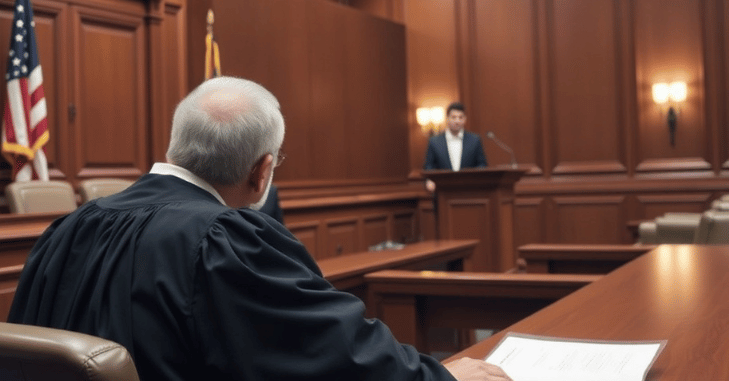
- A permanent criminal record
- Difficulty finding employment
- Problems renting property
- Restrictions on entering certain locations
Conclusion
Criminal trespass occurs when a person enters or remains on someone else’s property without permission, and it can lead to significant legal consequences depending on the circumstances.
Understanding the laws surrounding criminal trespass, including the types of offenses, possible penalties, arrest procedures, and available legal defenses, is important for both property owners and individuals.
By being aware of property rights and respecting legal boundaries, people can avoid unnecessary legal trouble and protect themselves from criminal charges. If a trespass dispute arises, knowing the legal process and seeking appropriate legal guidance can help ensure that rights are protected and the situation is handled fairly.
Want to know about Common Defenses Used in Domestic Violence Cases Check out our Criminal Law category
FAQs
Trespassing is not considered a crime.
Every conviction is kept on an upgraded DBS certificate for at least 11 years.
Lack of intent to trespass, implicit authorization to be on the property, or a reasonable doubt that the land was open to the public at the time are all defenses against criminal trespassing.
You are not required to be a landlord to file an eviction case in the Landlord and Tenant Branch.