Born in 1980 in Denver, a skilled attorney began their career focused on fairness, evidence accuracy, and protecting motorists under strict DUI laws. Early work involved addressing Implied Consent rules, 10–15-day DMV deadlines, and high BAC penalties of 0.15% or more. DUI lawyer: They reviewed NHTSA field tests, verified Intoxilyzer 9000 calibration, and ensured blood storage at 2°C–8 °C.
By challenging officer procedures, examining chain-of-custody steps, and negotiating fair plea deals, they established a reputation for safeguarding drivers’ rights and promoting justice. Today, their expertise and legacy continue to guide courts and clients as a trusted DUI lawyer.
| Basics | Details |
| Key DUI Laws | Testing required or suspension. |
| High BAC Rules | 0.15% triggers harsher penalties. |
| Law Accuracy | Lawyer checks proper application. |
| Deadlines | 10–15 days for hearings. |
| Fast Action | Prevents automatic suspension. |
| Evidence | Saves footage and test data. |
| Field Tests | Must follow NHTSA steps. |
| Officer Errors | Reviews instructions and scoring. |
| Breath Devices | Intoxilyzer and Alcotest checks. |
| Calibration | Challenges include faulty maintenance. |
| Blood Evidence | Ensures proper custody. |
| Lab Retests | Requests independent analysis. |
| Court Work | Files motions and questions for officers. |
| Plea Deals | Negotiates reduced charges. |
| License Defense | Fights DMV suspensions. |
| Offender Support | Seeks alternatives or leniency. |
Key Laws
A DUI lawyer relies on rules like each state’s Implied Consent Law, which requires drivers to submit to chemical tests or face suspensions ranging from 90 days to one year. They also evaluate enhanced penalties for high BAC levels, such as 0.15% or above, which many states classify as “aggravated DUI.” A lawyer ensures these laws are applied correctly and not misinterpreted during the arrest.
Why a DUI Lawyer Must Act Fast?

Most states give only 10 to 15 days to request a DMV or administrative hearing after a DUI arrest. A lawyer uses this short window to challenge immediate suspensions and secure temporary driving privileges.
Fast action preserves evidence, such as surveillance footage or Breathalyzer records, before they are deleted. By acting promptly, a DUI lawyer protects both driving rights and defense opportunities that disappear quickly without timely intervention.
The Importance of Constitutional Rights in DUI Cases
A DUI lawyer also ensures that a driver’s constitutional rights are protected throughout the investigation and arrest process. This includes reviewing whether law enforcement had reasonable suspicion to initiate the traffic stop and probable cause to make the arrest. Attorneys examine whether drivers were properly informed of their rights and whether any statements were obtained through unlawful questioning.
If evidence was gathered in violation of constitutional protections under the Fourth, Fifth, or Sixth Amendments, a DUI lawyer may seek to have that evidence excluded from court proceedings. Protecting these fundamental rights helps ensure that DUI prosecutions are conducted fairly and according to established legal standards.
Reviewing Police Conduct and Testing Procedures
Field sobriety tests must follow NHTSA’s Standardized Field Sobriety Test Manual, which includes the Walk-and-Turn, Horizontal Gaze Nystagmus, and One-Leg Stand.
A lawyer checks whether officers followed required instructions, maintained proper lighting, and avoided distractions. If officers skipped steps or incorrectly scored performance, the lawyer challenges the validity of the results.
Challenging Breathalyzer Machine Accuracy
A lawyer examines machines such as the Intoxilyzer 9000, Alcotest 9510, and Alco-Sensor FST. These devices require calibration every 30 to 90 days, depending on state regulations. They also require certified operators approved by agencies like the Department of Public Safety.
If maintenance logs are missing or technicians lack certification, a lawyer argues that the breath results are unreliable and scientifically questionable.
Chain-of-Custody Issues With Blood Samples
Blood tests must follow strict chain-of-custody rules established by state forensic labs. A DUI lawyer verifies whether samples were sealed, labeled, and stored at proper temperatures, often between 2°C and 8°C.
Any broken seals, missing initials, or unexplained delays can compromise accuracy. Some attorneys request independent testing through labs such as Quest Diagnostics or Labcorp. A lawyer uses discrepancies to challenge prosecution claims effectively.
Represents Clients in Court

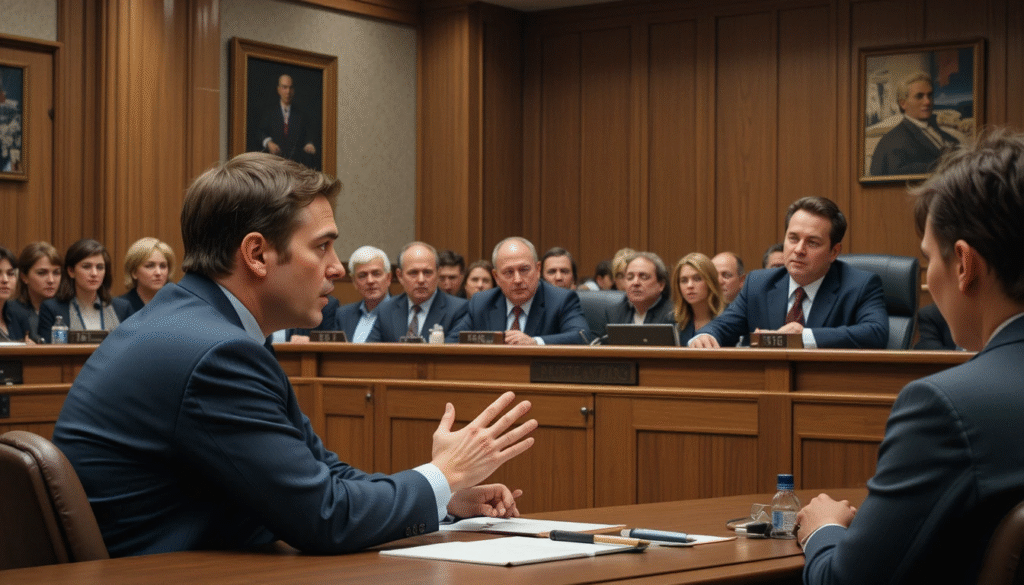
A lawyer handles arraignments, plea hearings, and arguments on motions. They file motions such as a Motion to Suppress Evidence or Motion to Compel Discovery. They question officers about training levels, including whether they completed Drug Recognition Expert (DRE) certification.
Through organized legal arguments, a lawyer ensures judges consider procedural errors that may reduce charges or eliminate evidence obtained unlawfully during the traffic stop.
Negotiation and Plea Bargaining Approaches
A lawyer negotiates plea agreements when appropriate, sometimes reducing charges to “wet reckless” under California Vehicle Code §23103.5. They use BAC results, prior history, and arrest behavior to argue for alternatives.
A skilled DUI lawyer compares penalties across similar cases and presents mitigating factors. This negotiation can lead to reduced fines, shorter probation terms, or removal of mandatory interlock requirements, depending on state law.
Protecting Driver’s Licenses in Administrative Hearings
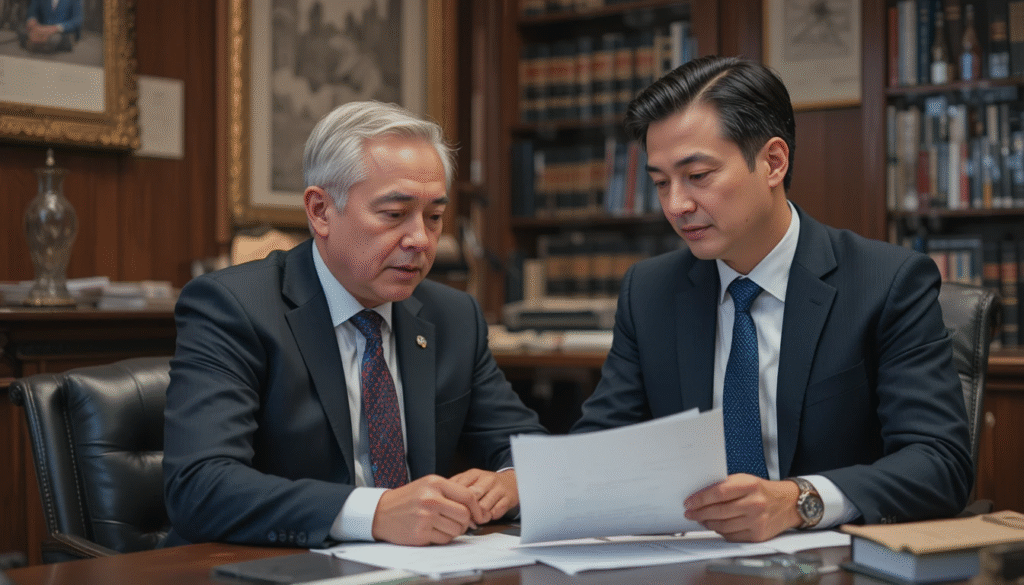
DUI cases usually involve separate hearings before agencies such as the Department of Motor Vehicles (DMV) or the Bureau of Motor Vehicles (BMV). A lawyer disputes claims involving test refusal, insufficient probable cause, or officer errors on the sworn report.
Since first-offense suspensions can range from 90 to 180 days, preserving the license is crucial. A lawyer argues for restricted permits to allow work and school travel.
Defense for First-Time or Repeat Offenders
- A lawyer helps first-time offenders access options like 12-week alcohol education courses, community service, or diversion programs in states that offer them.
- For repeat offenders facing mandatory jail or interlock requirements, a lawyer presents rehabilitation documents, counseling completion, and employment records.
- Their advocacy persuades courts to consider treatment-based alternatives rather than the maximum penalties outlined in state sentencing guidelines for multi-offense drivers.
Understanding Local Court Differences

A lawyer understands regional variations, such as Utah’s 0.05% BAC limit, which is harsher than the national standard, or states that require ignition interlock devices even for first offenses. They study tendencies of local prosecutors, typical plea patterns, and preferred sentencing methods.
This localized knowledge allows a DUI lawyer to tailor defense strategies effectively, increasing the likelihood of beneficial outcomes and minimizing long-term consequences for the client.
Conclusion
A skilled DUI lawyer safeguards drivers’ rights by acting quickly, challenging flawed evidence, and navigating complex laws. Through courtroom advocacy, negotiation, and administrative defense, they protect licenses, reduce penalties, and pursue fair outcomes. Their expertise ensures justice, supports rehabilitation, and guides clients safely through DUI charges while minimizing long-term consequences.
Want to know about Strategies Criminal Defense Attorneys Use in White-Collar Crime Cases Check out our Criminal Law category.
FAQs
Quick action can stop automatic license suspension, protect evidence like breath tests or videos, and meet short deadlines for hearings or appeals.
Lawyers look at whether officers followed proper instructions and scoring. Mistakes can make the results unreliable in court.
Lawyers review machine maintenance, calibration, and operator training. Missing records or mistakes can make results unreliable for the court.