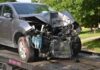
Sunshine, beaches, theme parks, nightlife, and traffic. With 22.6 million residents and 140 million annual visitors, Florida’s highways and arterials never sleep. A comprehensive new analysis from The Schiller Kessler Group finds that in 2023, 3,396 people died on Florida roads, more than three in every 35 U.S. traffic deaths. The report identifies the top causes, the hardest-hit counties, and the infrastructure upgrades that would prevent tragedies in the state’s busiest corridors.
The Four Horsemen of Florida Crashes
The data are blunt: behavior kills.
- Alcohol-impaired driving: 839 deaths, Florida’s top killer.
- Seat-belt nonuse: 811 deaths—nearly as lethal as alcohol.
- Speeding: 349 deaths, amplifying both crash odds and trauma severity.
- Distraction: 277 deaths—texting, eating, and device fiddling that turns cars into projectiles.
“Nearly half of Florida’s traffic deaths come down to two choices, drinking and not buckling up,” the report notes. “This is solvable with visibility, accountability, and modern tech.”
First Impact, Final Outcome
Understanding “first harmful events” explains why design matters:
- Vehicle-to-vehicle collisions: 1,489 deaths—hot spots include multi-lane arterials and high-speed merges.
- Pedestrians: 740 deaths—a stark measure of walkability gaps and driver awareness.
- Pedalcyclists: 231 deaths—exposure without protection.
- Fixed objects (trees/curbs): 313 deaths combined, often tied to loss of control from speed or distraction.
Florida’s safety crisis isn’t just about what happens inside cars; it’s about how streets are built and how people use them, especially where tourists and residents mix.
Who’s at Risk
- Men: 2,250 of the dead, reflecting higher rates of speeding, impairment, and belt nonuse, plus more miles driven.
- Age groups most affected: 25–34 (620), 35–44 (505), 55–64 (455). Young drivers remain vulnerable (15–20: 268; 21–24: 218), while seniors (65+: 756) face fragility and slower reaction times. Children under 15: 94.
Florida’s High-Impact Counties (and Why)
Five counties alone represent over 30% of statewide fatalities:
- Miami-Dade: 329 — dense urban grid, nightlife, and tourist corridors.
- Hillsborough (Tampa): 231 — complex interchanges and regional growth.
- Broward (Fort Lauderdale): 207 — beach traffic and busy arterials.
- Orange (Orlando): 175 — theme-park magnet, year-round surges.
- Duval (Jacksonville): 166 — wide, fast roads and high VMT.
These hubs are Florida’s economic engines, but their popularity breeds risk. Visitors unfamiliar with local roads, ride-hail churn, delivery growth, and late-night entertainment all add friction to already strained networks.
What Works: A Florida Playbook
The report recommends immediately actionable measures tailored to Florida’s busiest places:
- High-visibility DUI operations near nightlife districts; expand ignition interlocks and saturated patrols during peak tourism and holiday windows.
- Buckle-up or pay up: primary enforcement with public dashboards showing belt-use rates by corridor; strengthen in-vehicle reminders and employer/fleet policies.
- Speed setting by design: self-enforcing arterials (lane narrowing, raised crosswalks, gateway treatments), automated enforcement on high-injury corridors, and variable limits near attractions.
- Tourism-aware operations: wayfinding for out-of-towners, dynamic message signs urging sober rides, curb-management to reduce chaotic pickups/drop-offs.
- Protect people walking and biking: lighting, median refuges, leading pedestrian intervals, protected bike lanes where volumes justify; prioritize school zones and beach approaches.
- Public health integration: college and workplace campaigns against impairment and distraction; male-targeted messaging addressing risk and mental-health stressors.
- Forgiving roadsides: relocate or shield rigid hazards on run-off corridors; add guardrails or crash cushions where warranted.
“Florida can cut deaths now by engineering for reality, crowded arterials, late-night travel, and a booming tourism economy,” said a study spokesperson. “Build forgiving streets, enforce the most dangerous behaviors, and make it easy to choose the safe option.”
Why This Matters for Florida’s Economy
Safety isn’t just a moral imperative; it’s a tourism asset. Visitors go where moving around is easy and safe. Safer roads protect residents, reduce congestion from crashes, and strengthen Florida’s brand as a world-class destination.
The Bottom Line
In a state synonymous with travel and fun, preventable road deaths remain stubbornly high. The data show a simple truth: when drivers make safer choices and when streets are designed to expect human mistakes, fatalities fall. Florida’s busiest counties can lead the way with targeted, evidence-based action.
Want to know about Evidence Matters: Building a Strong Auto Accident Case from Day One Check out our Accidents Law category.