Abuse allegations in religious training programs raise complex legal and ethical questions. Investigations often balance constitutional protections for religious freedom with statutory duties to protect participants from harm. Civil, criminal, and administrative laws shape how complaints are reported, examined, and prosecuted. Understanding these legal frameworks clarifies the roles of courts, regulators, and internal authorities, while highlighting the challenges of evidence gathering, jurisdiction, and accountability within faith-based educational settings.
Legal Basis for Investigation
Investigations into abuse in religious training programs begin when a victim of sexual abuse reports harm to law enforcement, child protective services, or a mandated reporter. Religious freedom provides no immunity; programs remain accountable and prosecutable for crimes, including offenses committed during spiritual instruction, under both civil and criminal law.
Duty to Mandated Reporters
Many states have enacted laws requiring specified professions to report suspected abuse. In many jurisdictions, failure to report suspected abuse when required can result in criminal or civil liability. Mandated reporter laws promote accountability so that an organization’s silence does not prevent the investigation of its wrongdoing.
Receipt of Reports and Preliminary Investigation
When a complaint of abuse is made, law enforcement conducts a preliminary inquiry to determine whether the complaint is legitimate and if there is reason to believe that a crime has been committed. If the complaint involves minors, child protective services may respond rapidly. Emergency action could involve removing the minor from the program or court-ordered supervision.
Gathering Evidence and Conducting Interviews
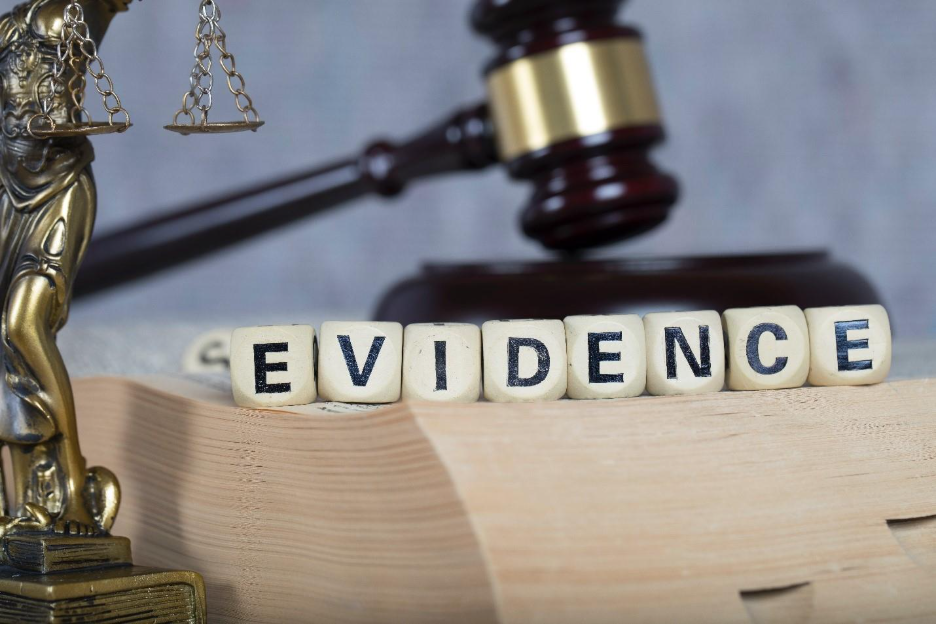
Law enforcement gathers physical evidence, digital evidence, and institutional documentation relevant to the allegations of abuse. Training materials, participants’ disciplinary histories, emails, and other internal communications are frequently relevant.
Where a power imbalance exists, interviews of the victim are typically conducted by a professional with training and experience in interviewing such witnesses.
Internal Investigations of Religious Organizations vs. Law Enforcement Investigations
Some religious organizations conduct their own investigations of complaints of abuse. However, because they lack the authority of law enforcement, they should not be permitted to displace law enforcement’s work.
Courts find that religious organizations can hinder investigations by destroying evidence, intimidating witnesses, or suppressing information, all of which constitute obstruction of justice.
Constitutional Restrictions and Church Autonomy
While the First Amendment guarantees the right to free exercise of religion, this right does not extend to the commission of criminal acts. Courts distinguish between beliefs and actions that may be motivated by those beliefs but also constitute crimes. While courts will not rule on theological issues, where abuse is described as “discipline” or “spiritual correction, such conduct is not excused merely because it was justified by a participant’s religious belief.
Civil Lawsuits Against Institutions and Liability
Even though a criminal prosecution may not be brought, victims of abuse may bring civil lawsuits against the institution responsible for the abuse. Such lawsuits may seek damages for negligence, inadequate supervision, and intentional misconduct.
Liability for a training program may arise when senior officials were aware of the risks of abuse and failed to act to mitigate them.
Statute of Limitations and Reforms
Statutes of limitations limit the amount of time in which a lawsuit may be filed after a victim discovers they have suffered abuse. Many states have extended or eliminated statute of limitation periods for childhood abuse. Some states offer ‘look back windows,’ letting people file lawsuits for childhood abuse that were blocked because too much time had passed.
Protection for Whistleblowers
Those reporting abuse in religious programs may face retaliation. Some states have whistleblower laws to protect these individuals. Courts will generally take allegations of retaliation against whistleblowers seriously. These laws support transparency throughout investigations.
Monitoring and Court Sanctions
Where appropriate, courts may order ongoing monitoring, consent orders, and affirmative steps to reform a program to prevent future abuses. These sanctions focus on preventing further injury to participants rather than punishing the program’s beliefs.
Key Takeaways
- Religious training programs are fully subject to criminal and civil law.
- Mandatory reporting laws often trigger investigations.
- Internal inquiries cannot replace legal review.
- Constitutional protections do not excuse abusive conduct.
- Victims may pursue justice through courts even years later.
Apart from that if you want to know about Steps Survivors Can Take to File an Abuse Lawsuit then please visit our Criminal Law Category.