L Tampons Lawsuit
In recent years, L tampons lawsuit have emerged as a popular choice among health-conscious consumers seeking organic and chemical-free menstrual care products. Promising safety, sustainability, and transparency, the brand quickly gained traction in the feminine hygiene market. However, growing legal complaints have cast serious doubts on these claims.
At the heart of the controversy is a rising number of women alleging that L tampons caused harmful side effects, ranging from Toxic Shock Syndrome to chemical exposure and reproductive health complications.
With class action lawsuits forming and the FDA launching an investigation, this case has become a significant turning point for the industry. Here’s a deep dive into the allegations, scientific concerns, legal developments, and what it all means for consumers.
L Brand Tampons Lawsuit: Detailed Summary Table
| Topic | Details |
|---|---|
| Brand Name | L Brand Tampons |
| Product Type | Organic cotton feminine hygiene products |
| Lawsuit Focus | Health risks and chemical exposure |
| Key Health Concern | Toxic Shock Syndrome (TSS) |
| Other Reported Issues | Hormonal imbalance, infections, inflammation |
| Plaintiff Claims | Misleading marketing and undisclosed chemicals |
| Chemical Hazards Alleged | Pesticides, dioxins, endocrine disruptors |
| Tampon Classification | FDA Class II medical device |
| FDA Action | Preliminary investigation underway |
| Recall Status | No formal recall as of now |
| Hospitalization Cases | Lack of complete ingredient transparency |
| Labeling Concerns | Lack of full ingredient transparency |
| Target Audience | Health-conscious women seeking organic products |
| Lawsuit Type | Class action lawsuit |
| Number of Plaintiffs | Hundreds, and the number is growing |
| Legal Allegations | At least two women were hospitalized with TSS symptoms |
| Expert Opinions | Chemical exposure may disrupt reproductive hormones |
| Independent Research | Calls for broader testing and better regulation |
| Industry Impact | Other brands promoting safety and transparency |
| Retailer Response | Some stores removed L Tampons from shelves |
| Consumer Reaction | Social media backlash and product boycotts |
| Competitor Brands Mentioned | Cora, Lola, Rael |
| Requested Compensation | Label reform, regulation, and financial penalties |
| Potential Outcomes | Negligence, false advertising, and product liability |
| Long-Term Implications | Medical costs, emotional distress, and health monitoring |
Claims of Chemical Hazards in L Tampons
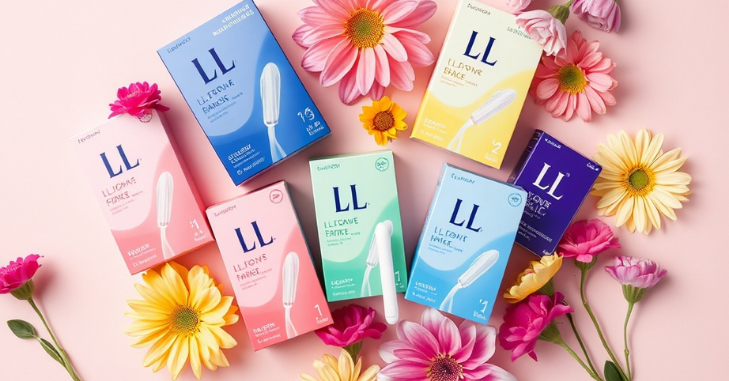
In recent months, alarming reports have surfaced regarding the presence of potentially harmful chemicals in L tampons, a product previously marketed as a cleaner, organic alternative in the feminine hygiene market. According to multiple user complaints and independent lab testing, the tampons may contain residues of pesticides, dioxins, and synthetic fragrances, substances known to interfere with hormonal function and contribute to long-term health risks.
These findings contradict L Brand’s original claims of offering “chemical-free” and “100% organic cotton” tampons. Plaintiffs argue that these misleading labels lulled consumers into a false sense of security, particularly among health-conscious women seeking safer hygiene solutions.
Experts in environmental toxicology stress that while trace levels of contaminants can occur in any cotton-based product, repeated and prolonged exposure, especially via vaginal absorption, can lead to bioaccumulation of harmful substances in the body. This concern forms the basis of the ongoing legal complaints that accuse L Brand of failing to test or disclose the chemical profile of their products adequately.
Toxic Shock Syndrome: Renewed Fears and Medical Alerts
Toxic Shock Syndrome (TSS) has long been a concern associated with tampon use, particularly in products with high absorbency or synthetic fibers. While TSS cases have declined over the decades due to increased awareness and changes in product design, the L Tampons lawsuit has reignited public concern after several users reported serious infections allegedly linked to the use of L tampons.
Several women involved in the lawsuit reported early signs of Toxic Shock Syndrome (TSS), such as fever, rash, and low blood pressure, shortly after using L Tampons.
At least two required hospitalization and intensive care. While a direct link hasn’t been proven, the symptoms align with TSS, prompting calls for deeper investigation. Critics say L Brand failed to adequately warn users, especially about risks from high-absorbency or extended use.
Reproductive Health and Hormonal Disruption Claims
A key focus of the lawsuits is the alleged impact of L tampons on reproductive health. Plaintiffs report issues like irregular cycles, inflammation, and early menopause symptoms. Many chose L Brand, hoping for a safer, organic option, but now believe hidden chemicals may have worsened their conditions.
Experts warn that exposure to endocrine-disrupting compounds (EDCs) can affect hormone levels, and researchers are urging broader testing and improved FDA oversight of all feminine hygiene products.
The Rise of a Class Action Lawsuit
As more users came forward with similar complaints, individual lawsuits were consolidated into a class action aimed at holding L accountable for false advertising, negligence, and product liability. The class action now represents hundreds of women from different states, with legal experts predicting that more plaintiffs could join if the case gains traction.
The central claims of the class action focus on:
- Deceptive marketing practices led consumers to believe the products were chemical-free.
- Failure to disclose ingredients or contaminants found during internal or third-party testing.
- Breach of consumer trust, especially toward individuals with pre-existing conditions or heightened sensitivity to chemicals.
The class action seeks monetary damages for medical costs, emotional distress, and long-term health monitoring, as well as demands for label transparency and stricter regulatory oversight. Legal analysts suggest the case could set a precedent for how “clean” or “natural” products are labeled and tested in the future.
FDA Investigation and Regulatory Scrutiny

Facing public and media pressure, the FDA has begun a preliminary investigation into L tampons. Though no recall has been issued, leaked reports suggest the agency is reviewing the brand’s safety standards. Critics argue that tampons, still classified as Class II medical devices, need stricter oversight due to their intimate, long-term use.
Consumer advocacy groups have petitioned the FDA to:
- Mandate ingredient disclosure on tampon packaging.
- Require independent lab testing for potential contaminants like dioxins, chlorine, and pesticides.
- Create an adverse event reporting system specifically for menstrual hygiene products.
The results of the FDA investigation could significantly impact the outcome of the class action lawsuit. If evidence emerges that L Brand violated safety standards or knowingly withheld adverse data, civil penalties, product recalls, and future regulatory reforms are highly likely.
Growing Demand for Ingredient Transparency in Feminine Hygiene Products
The controversy surrounding the L Tampons lawsuit has intensified calls for greater ingredient transparency across the feminine hygiene industry. Consumer advocates and healthcare professionals argue that menstrual products should disclose all materials used during manufacturing, including processing agents, bleaching methods, and potential trace contaminants, much like food and cosmetic products.
Although current U.S. regulations do not require comprehensive ingredient labeling for every tampon component, increasing public scrutiny and ongoing litigation are encouraging manufacturers to adopt more detailed disclosures voluntarily.
This shift toward transparency could help consumers make better-informed purchasing decisions while also strengthening confidence in brands that prioritize product safety and independent quality testing.
Public Response and Industry Impact

The lawsuit has raised serious concerns among consumers who once trusted L Brand as an eco-friendly choice. Social media is now filled with warnings and user complaints, with many saying they’ve stopped using the product.
In response, competitors like Cora, Lola, and Rael have highlighted their safety standards and transparency. Some retailers have even pulled L tampons from shelves pending the FDA investigation. Experts believe the case could reshape labeling, manufacturing, and marketing practices across the feminine hygiene industry.
Conclusion
The unfolding lawsuit against L tampons underscores a critical need for increased transparency and regulation in the feminine hygiene industry. While the brand once positioned itself as a safe and eco-conscious alternative, mounting allegations and scientific concerns are challenging its reputation.
As the FDA continues its investigation and class action lawsuits proceed through the courts, the spotlight is now on how companies market, manufacture, and disclose the content of intimate care products.
For consumers, this case serves as a reminder to stay informed, demand clarity, and prioritize health above branding buzzwords. The outcome may not only affect L Brand but also set a precedent for how “natural” products are evaluated in the future.
Apart from that, if you want to know more about First-Time DUI Offense Legal Advice in Monroe, NC then visit our Family Law category.
Frequently Asked Questions (FAQs)
Lawsuits and independent investigations allege the presence of pesticide residues, dioxins, synthetic fragrances, and endocrine-disrupting chemicals.
Toxic Shock Syndrome (TSS) is an uncommon yet serious illness triggered by toxins produced by certain bacteria. Some users of L tampons have reported TSS-like symptoms and hospitalizations.
Suppose the plaintiffs prevail or a settlement is agreed upon. In that case, L may be subject to financial compensation, required changes to product formulations, public ingredient transparency, and increased regulatory scrutiny from the FDA.