The Lawton correctional facility stands as one of Oklahoma’s largest and most significant privately operated prisons, reflecting both the potential and challenges of the U.S. correctional system. Established in the late 1990s amid a nationwide move toward privatization, the facility was designed to alleviate overcrowding in public prisons while promoting operational efficiency.
Managed by CoreCivic (formerly the Corrections Corporation of America), Lawton correctional facility houses thousands of male inmates and provides a structured environment aimed at rehabilitation, education, and community reintegration.
Over the years, it has become a focal point of discussion regarding inmate welfare, private prison management, and criminal justice reform. Despite controversies over conditions and treatment, the facility continues to play a central role in Oklahoma’s correctional network, offering insight into the balance between public safety, accountability, and humane incarceration practices.
| Category | Details |
| Facility Name | Lawton Correctional Facility (LCF) |
| Location | Lawton, Oklahoma, USA |
| Year Established | 1998 |
| Constructed By | Corrections Corporation of America (now CoreCivic) |
| Facility Type | Medium/Maximum Security Prison for Male Inmates |
| Inmate Capacity | Approximately 2,400 inmates |
| Operator | CoreCivic (under contract with the Oklahoma Department of Corrections) |
| Primary Purpose | To alleviate overcrowding in state prisons and promote rehabilitation |
| Key Programs | Educational courses (GED, literacy, vocational training), substance abuse treatment, life skills training, and community work programs |
| Security Features | Perimeter fencing with razor wire, surveillance systems, and trained correctional staff |
| Major Legal Issues | Allegations of overcrowding, inadequate medical care, and excessive use of force |
| Community Impact | Significant local employment opportunities and economic contributions, alongside ongoing community relations challenges |
| Recent Developments | Improved transparency, enhanced staff training, and evolving legislative oversight on private prison operations |
| Current Management Focus | Strengthening rehabilitation initiatives and ensuring compliance with correctional standards |
| Future Outlook | Continued scrutiny under criminal justice reforms with emphasis on accountability, inmate welfare, and community collaboration |
History and Establishment
Background
The Lawton Correctional Facility was established in the late 1990s as part of a broader trend in the United States to privatize correctional institutions. The privatization movement aimed to alleviate overcrowding in state prisons, reduce costs, and improve operational efficiency. LCF was built to house male inmates and was designed to accommodate a diverse range of offenders, including those convicted of non-violent and violent crimes.
Construction and Opening
Constructed by the Corrections Corporation of America (CCA), now known as CoreCivic, the facility opened its doors in 1998. At the time, it was one of the first private prisons in Oklahoma and aimed to provide an alternative to state-run facilities. The construction of LCF was part of a larger initiative by the state to address growing concerns over prison overcrowding and the rising costs associated with maintaining public correctional institutions.
Facility Overview
Physical Structure
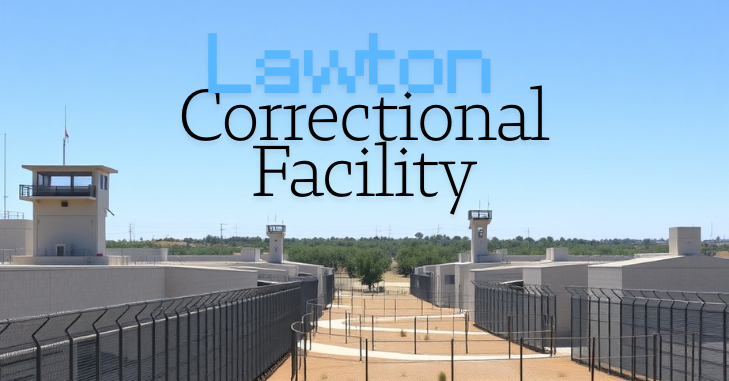
Lawton Correctional Facility is designed to house approximately 2,400 inmates. The facility includes various housing units, each equipped with the necessary amenities to ensure basic living standards. The layout is typical of many correctional facilities, featuring secure perimeters, surveillance systems, and controlled access points.
Security Measures
Security at LCF is a top priority, with multiple layers of control to ensure the safety of staff, inmates, and the surrounding community. The facility employs a range of security measures, including:
- Perimeter Fencing: High walls and fencing equipped with razor wire to prevent unauthorized escape.
- Surveillance Cameras: A comprehensive network of cameras monitoring key areas within and around the facility.
- Staff Training: Rigorous training programs for correctional officers to handle various situations effectively, including conflicts and emergencies.
Operational Framework
Lawton Correctional Facility is operated by CoreCivic under a contract with the Oklahoma Department of Corrections (DOC). This partnership allows the facility to function within state regulations while maintaining private operational practices. The facility is designed to provide various programs aimed at rehabilitation, including educational courses, vocational training, and substance abuse treatment.
Operations and Programs
Rehabilitation and Education
A central aspect of the operation at LCF is its commitment to rehabilitation. The facility offers various programs to assist inmates in reintegrating into society successfully. Some of the notable programs include:
- Educational Programs: Inmates have access to GED preparation courses, basic literacy classes, and vocational training that help equip them with skills for employment after release.
- Substance Abuse Treatment: Recognizing the role of addiction in criminal behavior, LCF provides counseling and treatment programs for inmates struggling with substance abuse issues.
- Life Skills Training: Programs are designed to teach inmates essential life skills, including budgeting, job searching, and effective communication.
These rehabilitation efforts aim to reduce recidivism rates and help inmates lead productive lives upon their release.
Work Programs
LCF also offers work programs that allow inmates to gain practical experience while serving their sentences. These programs can include:
- Facility Maintenance: Inmates may be involved in maintaining the facility, which helps instill a sense of responsibility and work ethic.
- Community Service Projects: Inmates often participate in community service initiatives, enabling them to give back to the community.
- Job Placement Assistance: Programs to assist inmates in finding employment upon release are also available, focusing on creating connections with local businesses.
Legal Issues and Controversies
Despite its goals and initiatives, Lawton Correctional Facility has faced several legal issues and controversies over the years.
Inmate Treatment Allegations
One of the primary concerns surrounding LCF has been allegations of inadequate treatment of inmates. Reports of overcrowding, insufficient medical care, and harsh living conditions have raised questions about the facility’s operational practices. Various lawsuits have been filed by inmates and advocacy groups, alleging violations of inmates’ rights and substandard living conditions.
Lawsuits and Legal Action
Several notable lawsuits have emerged from LCF, focusing on the following areas:
- Medical Negligence: Inmates have claimed that they did not receive adequate medical attention for serious health issues. These cases have led to investigations and scrutiny from state and federal authorities.
- Use of Force: Allegations of excessive use of force by correctional officers have been reported, prompting investigations into the training and conduct of staff members.
- Overcrowding: Legal action has been taken regarding overcrowding issues, which can lead to increased tension and violence within the facility.
Responses from Management
In response to the legal challenges and public scrutiny, CoreCivic has implemented various measures to improve conditions at LCF. These measures include enhanced staff training, increased oversight, and a commitment to addressing inmate grievances. The company has also worked to foster partnerships with local organizations to improve rehabilitation programs and community engagement.
Impact on the Community
Economic Contributions
The presence of Lawton Correctional Facility has had a significant economic impact on the local community. The facility provides jobs for numerous residents, contributing to the local economy. Many employees work in various roles, including correctional officers, administrative staff, and support personnel.
Community Relations
While the facility has created job opportunities, it has also faced challenges in its relationship with the surrounding community. Public concerns about safety, crime, and the treatment of inmates can create tensions between residents and the facility. Community engagement efforts, such as open forums and informational sessions, have been initiated to address these concerns and foster communication.
Recent Developments

Changes in Management
In recent years, LCF has undergone changes in management and operational practices. CoreCivic has made efforts to enhance transparency and accountability within the facility. This includes regular reporting on incidents, comprehensive internal reviews, and collaboration with state authorities to ensure compliance with regulations.
Legislative Changes
Legislation related to private prisons and inmate treatment has continued to evolve. Recent discussions in Oklahoma’s legislature have focused on the role of private facilities in the state’s correctional system. Some lawmakers have called for increased oversight and potential reforms aimed at improving conditions within private prisons.
Future Outlook
As the conversation around criminal justice reform continues, the future of Lawton Correctional Facility remains uncertain. The facility will likely face ongoing scrutiny regarding its practices and impact on inmates. The emphasis on rehabilitation, coupled with the need for accountability, will be crucial in shaping its operational strategies moving forward.
Transition to State Ownership
A massive structural pivot occurred when the state of Oklahoma finalized a $312 million purchase agreement to acquire the facility. Rather than renewing the long-term private management contract, the Oklahoma Department of Corrections bought out the infrastructure and fully absorbed operations.
This acquisition effectively ended decades of private oversight at the site, transitioning the workforce into state employment and placing the inmate population entirely under public accountability. By shifting away from a corporate operational model, the state aims to address systemic, profit-driven staffing shortages and establish direct compliance with state-mandated correctional and medical standards.
Conclusion
Lawton Correctional Facility serves as a microcosm of the broader issues facing the American criminal justice system, particularly concerning the privatization of prisons. Established with the intention of alleviating overcrowding and providing rehabilitation, LCF has faced numerous challenges and controversies over its operational practices.
From its establishment to its current operations, the facility has played a significant role in the local community while also grappling with legal issues and public concerns. As discussions around criminal justice reform continue to evolve, the future of Lawton Correctional Facility will depend on its ability to adapt to changing expectations and maintain a commitment to the humane treatment of inmates.
Through ongoing efforts to improve rehabilitation programs, address legal challenges, and foster community engagement, LCF has the potential to contribute positively to the lives of those it houses and the community at large.
The path forward will require a balanced approach that prioritizes both public safety and the rights of inmates, ensuring that the facility serves as a place for reform rather than merely punishment.
Apart from that, if you want to know more about What to Do if You Are Caught on a Red Light Camera then visit our Social Security Law category.
FAQs
The Oklahoma Department of Corrections (ODOC) has officially taken over the Lawton Correctional and Rehabilitation Facility, finalizing a $312 million purchase that ends all private prison operations in the state.
The move took place at 9:30 a.m. on July 25, officially retiring the name Lawton Correctional Facility, renaming the facility Red Rock Correctional Center.
LCF, located in Comanche County, houses medium- and maximum-security male inmates and the state’s only protective custody unit. With a capacity of over 2,600, it is the agency’s largest facility.