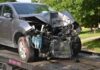
A concussion does not always show symptoms right away. Many people walk away from an accident feeling fine, only to notice problems days or even weeks later. This delay can make concussions harder to recognize and easier to ignore. Knowing what to watch for can protect both your health and your rights.
Doctors often see patients who did not connect their symptoms to a past injury. Delayed concussion symptoms can appear after car crashes, falls, sports injuries, or workplace accidents. Understanding these warning signs helps you take action before the condition worsens.
What Is a Delayed Concussion?
A delayed concussion happens when brain injury symptoms develop hours or days after a blow to the head. The brain may swell slowly, or chemical changes may take time to affect normal function. This delay often leads people to underestimate the seriousness of the injury.
Even a mild impact can cause a concussion. You do not need to lose consciousness for a brain injury to occur.
Common Signs That Appear Later
Symptoms may begin subtly and increase over time. Paying attention to changes in how you feel is important.
Some delayed signs include:
- Persistent headaches that worsen
- Dizziness or balance problems
- Trouble concentrating or remembering
- Sensitivity to light or noise
- Changes in mood or sleep patterns
These symptoms should never be ignored, especially if they follow an accident.
Why Symptoms Are Often Missed
Many people delay medical care because they feel normal at first. Others assume stress or fatigue is the cause. This is common after traumatic events.
Another reason is adrenaline. Right after an accident, adrenaline can mask pain and discomfort. Once it fades, symptoms may surface.
When to Seek Medical Attention
Any new or worsening symptoms after a head injury deserve medical attention. Early diagnosis can prevent complications and support recovery.
You should see a doctor if symptoms interfere with daily activities or continue for more than a short period. A medical record also becomes important if legal issues arise later.
How Delayed Concussions Affect Daily Life
Delayed concussions can disrupt work, school, and relationships. Simple tasks may feel overwhelming. Many people struggle to explain what they are experiencing.
Common challenges include:
- Difficulty focusing at work
- Increased fatigue
- Emotional changes
- Trouble sleeping
These effects can last weeks or longer without proper care.
Legal Options After a Delayed Concussion

When a concussion is caused by someone else’s actions, legal options may be available. Delayed symptoms do not reduce the seriousness of the injury.
Legal claims often depend on medical documentation and timing. Seeing a doctor as soon as symptoms appear helps connect the injury to the accident.
Proving a Delayed Concussion
Insurance companies may question delayed symptoms. They often argue that the injury came from another cause.
Strong evidence may include:
- Medical records linking symptoms to the accident
- Doctor evaluations and imaging results
- Witness statements or accident reports
- Proof of missed work or reduced ability
Clear documentation strengthens your position.
Common Mistakes to Avoid
Certain actions can hurt both recovery and legal claims. Being aware of these mistakes helps protect you.
Avoid:
- Ignoring symptoms or delaying treatment
- Posting about the injury on social media
- Giving recorded statements without preparation
- Assuming symptoms will resolve on their own
Taking symptoms seriously is always the safer choice.
Why Early Action Matters
Prompt medical care improves recovery outcomes. It also creates a clear timeline of events. This timeline can be critical when dealing with insurers or legal claims.
Waiting too long can raise doubts about the cause of the injury. Early action protects both your health and your case.
Final Key Takeaways
- Concussion symptoms can appear days after an injury.
- Delayed symptoms are still serious and require care.
- Medical documentation is essential for recovery and claims.
- Legal options may exist if another party caused the injury.
- Acting early helps protect your health and rights.
Recognizing the signs of a delayed concussion allows you to respond before the injury worsens. Paying attention to your body and seeking help can make a lasting difference.
Apart from that, if you want to know more about What Is the Serious Injury Threshold for New York Car Accidents? then visit our Accidents Law category.