


Depositions are a foundational part of the legal discovery process. These sworn, out-of-court testimonies often profoundly impact the trajectory of civil lawsuits, business conflicts, personal injury cases, or even high-stakes criminal trials.
While they may appear straightforward on the surface, depositions are more like chess matches, where attorneys carefully plan their moves. For lawyers, depositions are strategic goldmines not merely for gathering facts but also for testing witnesses, exposing weaknesses, and subtly building leverage before trial.
To exploit the full potential of depositions, attorneys rely on a variety of psychological and procedural techniques, some overt, others surprisingly subtle. Understanding the tricks lawyers use in depositions tactics is crucial, especially if you find yourself in the witness seat.
Here’s a table outlining common tricks lawyers use in depositions, along with their purpose and how to respond effectively:
| Trick | Purpose | How to Respond |
|---|---|---|
| Rapid-fire questioning | To confuse or overwhelm you into inconsistent answers | Pause before answering, stay calm, and take your time |
| Vague or broad questions | To get you to speak too much or interpret the question wrongly | Ask for clarification before answering |
| Repetition of questions | To catch inconsistencies or wear you down | Stick to your original truthful answer |
| Friendly tone or small talk | To lower your guard and get you to speak freely | Keep it professional and focused on the questions |
| Loaded questions | To imply facts or guilt in the question itself | Challenge the assumption or ask for the question to be rephrased |
| Interrupting answers | To prevent complete thoughts or derail your focus | Politely insist on finishing your answer |
| Long pauses after answers | To pressure you into filling silence with more information | Stay silent and wait for the next question |
| Mischaracterizing your words | To twist your statement into something inaccurate | Correct the misstatement clearly and immediately |
| Surprise documents | To catch you off-guard or test your memory | Take your time to review any documents before responding |
| Hypothetical scenarios | To trap you into agreeing with unrealistic or damaging assumptions | Stick to facts and clarify the scenario if it seems unrealistic |
Tricks Lawyers Use in Depositions
During depositions, lawyers often use subtle and strategic tricks to gain an advantage or catch a witness off guard. These tactics include asking vague or overly broad questions designed to prompt long-winded answers that may unintentionally reveal more than necessary.
Some attorneys use rapid-fire questioning to confuse or fluster the deponent, hoping they’ll slip up or contradict themselves. Others might pause after a short answer, creating an awkward silence that prompts the witness to add unnecessary details.
Lawyers may also act overly friendly or casual to lower a witness’s defenses, making them more likely to speak freely. Additionally, they might spring surprise documents or hypotheticals to test memory or provoke inconsistencies. The key to countering these tactics is to stay calm, answer only what is asked, and seek clarification when needed.
1. The Silence Strategy
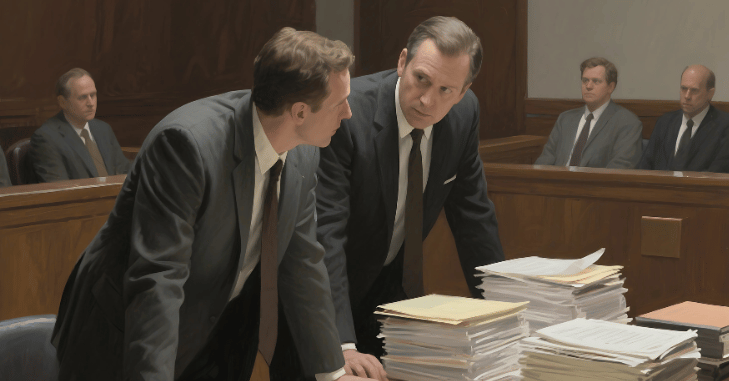
One of the simplest, yet most unnerving tactics is silence. After you respond to a question, the lawyer may remain completely quiet, staring at you or flipping through papers. This tactic leverages human discomfort with awkward silences. Most people feel a strong urge to fill the gap with extra commentary, explanations, or clarification.
Unfortunately, this often leads to over-talking, revealing details that go beyond the original question, and sometimes making damaging or inconsistent statements. Even confident deponents can fall prey to this subtle psychological ploy.
2. Rapid-Fire Questioning
Lawyers may deliver a fast-paced series of questions without giving the deponent time to digest or consider their answers fully. The goal? To mentally exhaust the witness, overwhelm their focus, and catch them off guard.
If your answers start to contradict each other, even unintentionally, these inconsistencies can later be used to question your credibility or competence. Inexperienced deponents are particularly vulnerable, as they may feel pressured to keep up the pace instead of asking for clarification or taking a moment to think.
3. Repetition for Inconsistency
Attorneys often ask the same question several times, but worded slightly differently. This tactic is meant to uncover inconsistencies in your testimony and test your memory.
The opposing lawyer may exploit the differences to cast doubt on your reliability. Throughout a lengthy deposition, especially one lasting several hours, mental fatigue can cause even the most well-prepared witness to make errors inadvertently.
4. Friendly Demeanor
An overly friendly lawyer may not be your ally. Some attorneys adopt a warm, easygoing tone to make the deponent feel at ease. By establishing trust or a conversational vibe, they lower your guard, encouraging you to speak freely. But this friendliness is often strategic.
The more relaxed you feel, the more likely you are to divulge information you might otherwise withhold in a more adversarial setting. It’s important to remember that even a kind-sounding lawyer is there to advocate for their client, not to help you.
5. The Document Trap
Attorneys may bring in a stack of documents, emails, contracts, reports, memos, and ask you to review them or comment on their contents. They might ask seemingly simple questions like, “Does this look familiar?” or “Can you explain what this means?”
If you’re unprepared or misremember details, you might make inaccurate statements that can later be used against you. Worse, they might selectively quote from these documents out of context to mislead you or to trap you into agreeing with something damaging. Always take your time when reviewing papers and ask to see the entire record if necessary.
6. Loaded Questions
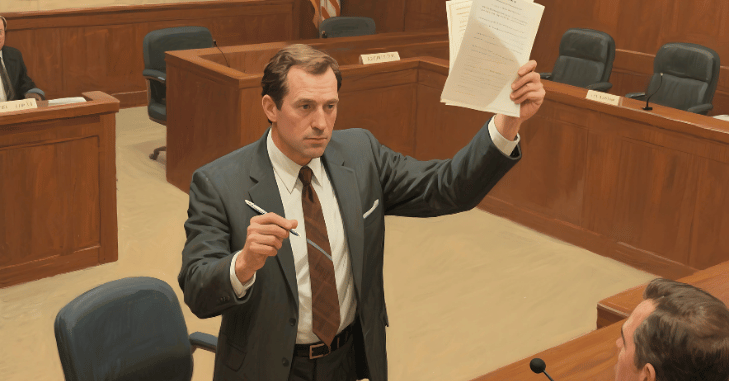
These are questions that contain an assumption or implication, sometimes one that hasn’t been established or is outright false. For example: “Why didn’t you notify the manager immediately?” presumes that you didn’t, even if you did.
If you answer without challenging the premise, you may be inadvertently agreeing to something that isn’t true. These types of questions are often structured to lead the witness into a verbal corner, so it’s essential to listen closely and respond with precision.
7. Asking for Speculation
Although witnesses are typically instructed not to guess or offer personal opinions, attorneys may ask open-ended or hypothetical questions such as, “What do you think their intent was?” or “How do you suppose that happened?”
These questions push you to speculate in an area that is often dangerous during sworn testimony. Speculation opens the door to future challenges based on inconsistency or perceived bias, and it can shift the focus away from the facts that matter in the case.
8. Using the Record
Because depositions are under oath and typically recorded via video or transcript, attorneys may use this fact as a pressure tactic. They may repeatedly remind you that “this is on the record” or imply that prior statements contradict what you’re saying now, even when they don’t.
These psychological tricks are designed to make you second-guess yourself, creating anxiety about being caught in a misstatement, even if you’re telling the truth.
9. Interruptions and Control
Some lawyers use interruptions or abrupt tone changes to assert dominance and knock the deponent off balance. They might cut you off mid-answer, rephrase questions aggressively, or even talk over you.
This strategy aims to fluster you, make you defensive, and disrupt your train of thought. If you lose composure, you’re more likely to say something ill-advised or contradict yourself. Recognizing these power plays and remaining composed is vital.
10. Fishing Expeditions
While depositions are supposed to stay within the scope of relevance to the case, some attorneys deliberately stray off-topic to dig for unexpected information. These so-called “fishing expeditions” may begin with innocent-sounding inquiries about your hobbies, past jobs, or personal background.
Before long, they’re probing into potentially embarrassing or legally significant territory unrelated to the case’s central claims. These tactics can lay traps that are sprung later during the trial.
11. Creating False Choices
This clever maneuver involves framing questions in a way that restricts your answers to two damaging options. For instance: “Were you lying then, or are you lying now?” Either answer implies dishonesty.
In truth, both may be false premises, but the phrasing can psychologically corner the witness. If you recognize that a question presents a false dichotomy, calmly explain that neither option applies and offer a more accurate clarification.
12. Exhaustion Tactics
Depositions can run for several hours, sometimes over multiple days. Lawyers may exploit fatigue by prolonging questioning, minimizing breaks, or saving their toughest questions for the end of the questioning.
As mental and physical energy wane, it becomes harder for deponents to concentrate, recall details, or resist manipulative techniques. That’s why it’s essential to take full advantage of break opportunities and stay hydrated and alert.
The Digital Footprint Trap
With the rise of collaborative workplace software, private messaging apps, and extensive social media histories, modern attorneys are increasingly leveraging unexpected digital evidence during depositions.
Rather than relying solely on traditional emails or physical memos, lawyers may present surprise screenshots of casual Slack channels, WhatsApp messages, or deleted social media posts taken entirely out of context.
The trick here is psychological: because people tend to communicate informally on digital platforms, seeing your own casual words printed on a formal exhibit can instantly induce panic. Attorneys exploit this discomfort to make you feel defensive or to push you into over-explaining the informal tone of a past message, which can compromise your current professionalism on the record.
How to Handle These Tactics?

- Stay Calm: Silence is not a cue to speak. Take a breath, stay composed, and answer only what was asked.
- Ask for Clarification: Don’t guess at vague or complex questions. Politely request clarification when needed.
- Stick to Facts: Share only what you directly know. Avoid conjecture, assumptions, or emotional reactions.
- Take Breaks: You’re allowed to pause the deposition. Use this right when tired, confused, or overwhelmed.
- Listen Carefully: Focus on the wording of each question. Beware of subtle implications or tricky phrasing.
- Consult Counsel: If a question seems inappropriate or outside the deposition’s scope, confer with your attorney.
Conclusion
Depositions are not casual conversations; they’re carefully orchestrated events where every word matters. Lawyers use a mix of psychological tactics, wordplay, and legal maneuvering to catch witnesses off guard, elicit damaging admissions, or craft a favorable narrative.
The good news? With knowledge comes power. Understanding these tricks and preparing for them with the help of your legal counsel can help you maintain clarity, composure, and credibility throughout the deposition process.
Whether you’re a party to a lawsuit, a witness, or simply someone trying to grasp how the legal system operates, recognizing these subtle strategies can empower you to navigate depositions with confidence and integrity.
Apart from that, if you are interested to know about “JUUL Class Action Lawsuit: A Deep Dive into the Controversy, Eligibility, Deadline, and Details” then visit our “Find A Lawyer” category.
FAQs
A deposition is a sworn, out-of-court testimony used during the discovery phase of a lawsuit. It’s recorded and can be used in court later.
Yes. Some lawyers use subtle strategies or “tricks” during depositions to catch witnesses off guard, obtain favorable testimony, or expose inconsistencies.
Yes. One common tactic is to subtly rephrase your words, misleadingly, and ask you to confirm them. Always clarify if your answer is being misrepresented.
You can refuse if the question violates privilege, is irrelevant, or abusive, but usually, your attorney will object and advise you accordingly.







