

Understanding the wear and tear meaning matters when a landlord and tenant disagree about repairs or a security deposit. In U.S. rental law, the term generally describes deterioration caused by normal, reasonable use over time. It usually does not include damage caused by negligence, misuse, accidents, or abuse. Direct answer: Wear and tear generally means the natural deterioration of a rental property through ordinary use and aging. Examples include faded paint, lightly scuffed floors, and worn carpeting. Tenant-caused damage is different because it usually results from negligence, misuse, accidents, or unreasonable treatment of the property.
Wear and Tear at a Glance
| Question | General U.S. Principle |
|---|---|
| What does the term mean? | Gradual deterioration from ordinary, reasonable use |
| Who normally pays for it? | The landlord generally absorbs ordinary aging and maintenance costs |
| Can it reduce a security deposit? | Usually not when the condition is ordinary deterioration |
| What may count as tenant damage? | Damage caused by negligence, misuse, accidents, or abuse |
| Does every state use the same rule? | No. State statutes and local rules can differ |
| What evidence helps in a dispute? | Move-in photos, inspection reports, receipts, messages, and move-out records |
Key Takeaways
* Normal aging is different from careless or intentional property damage. * The property’s age and length of occupancy can affect the analysis. * Landlords generally cannot treat routine deterioration as tenant-caused damage. * Security-deposit rules differ among states and sometimes among cities. * Photos and written inspection records can help both parties resolve disagreements. * A lease cannot always override protections created by state landlord-tenant law.
Wear and Tear Meaning Under U.S. Rental Law
The wear and tear meaning usually focuses on deterioration that occurs while property is used as intended. Floors become scuffed, paint fades, and fixtures loosen through normal daily activity. These changes can occur even when a tenant takes reasonable care of the home. There is no single federal definition governing every private residential tenancy in the United States. State statutes, court decisions, leases, and local ordinances can affect the applicable standard. Tenants and landlords should therefore check the rules where the property is located. Texas provides a clear statutory example of the general distinction. Its Property Code defines normal deterioration as resulting from a dwelling’s intended use. The definition excludes deterioration caused by negligence, carelessness, accidents, or abuse. Massachusetts follows a similar practical distinction for security deposits. State guidance says landlords cannot deduct routine deterioration, routine painting, or similar maintenance costs as tenant damage. Repair deductions can apply when a tenant, occupant, pet, or guest caused actual damage.
Normal Aging vs. Tenant Damage
Ordinary deterioration and property damage can sometimes look similar at first. The difference usually depends on the cause, severity, age of the item, and length of occupancy. A minor mark after several years may be treated differently from severe damage after several weeks.
| Area | Ordinary deterioration | Possible tenant damage |
|---|---|---|
| Walls | Faded paint or small scuffs | Large holes, writing, or major gouges |
| Carpet | Flattened fibers and normal fading | Burns, large stains, tears, or pet damage |
| Hardwood | Light surface scuffs | Deep scratches or large gouges |
| Doors | Loose hardware from age | Broken doors or damaged frames |
| Fixtures | Worn finishes or aging parts | Missing or deliberately broken fixtures |
| Bathrooms | Aging caulk or minor discoloration | Serious damage caused by neglect |
| Appliances | Failure caused by age | Breakage caused by improper use |
These examples are guidelines rather than universal legal rules. Context can change the result, especially when a lease contains reasonable maintenance requirements. State law may also define particular responsibilities differently. Government and legal-aid guidance commonly uses the same basic distinction. Ohio Legal Help lists faded paint and worn carpet as reasonable deterioration. It contrasts those conditions with cigarette burns, large holes, and preventable water damage.
What Factors Determine Whether Something Is Normal?
Courts, landlords, and tenants may consider several facts when deciding whether deterioration is ordinary. No single factor answers every dispute. The strongest analysis usually considers the property’s condition before and after the tenancy. Common factors include:
* Length of occupancy: Longer tenancies normally produce more deterioration. * Age of the item: Older carpet, paint, and appliances already have existing use. * Severity: A faint scuff differs from a deep gouge or major hole. * Cause: Ordinary use differs from carelessness or deliberate conduct. * Expected use: Walking on flooring is expected, while burning it is not. * Move-in condition: A tenant normally should not pay for pre-existing damage. * Lease terms: Valid lease provisions may define reasonable tenant responsibilities.
The length of the tenancy can be especially important. Five years of ordinary living creates more expected deterioration than five months. A condition should not be judged without considering that passage of time. A recent Massachusetts Supreme Judicial Court decision also recognized this principle. The court described reasonable deterioration from walking, daily living, and ordinary use as nonchargeable deterioration. It noted that longer occupancy naturally increases the amount that can reasonably be expected.
Can a Landlord Charge for Wear and Tear?
In many states, landlords cannot deduct ordinary deterioration from a residential security deposit. They may often deduct legitimate repair costs for damage beyond that level. The exact deduction rules, deadlines, notices, and documentation requirements depend on state law. For example, Texas law states that a landlord may not keep deposit money to cover normal deterioration. Massachusetts also excludes ordinary aging from permissible damage deductions. These examples illustrate a broad principle, but they do not create a nationwide rule. Security-deposit disputes may become more complicated when unpaid rent or lease violations are involved. LawGaze’s guide to U.S. eviction procedures explains why state procedures and documentation matter in landlord-tenant conflicts. Renters without a written agreement can also review LawGaze’s overview of tenant rights without a lease.
Does Depreciation or Useful Life Matter?
The age of damaged property can affect a fair repair calculation. A tenant should not automatically be charged the full replacement price of an old item. The applicable law and evidence determine whether depreciation must be considered in a particular dispute. Consider carpet that was already near the end of its expected life. Replacing that carpet may improve the property beyond its previous condition. Charging a tenant the full cost can therefore raise questions about the item’s remaining value. This issue is separate from deciding who caused the condition. First, the parties must determine whether the problem reflects ordinary aging or tenant-caused damage. They can then examine the appropriate repair amount under local law.
How Tenants Can Document the Property’s Condition
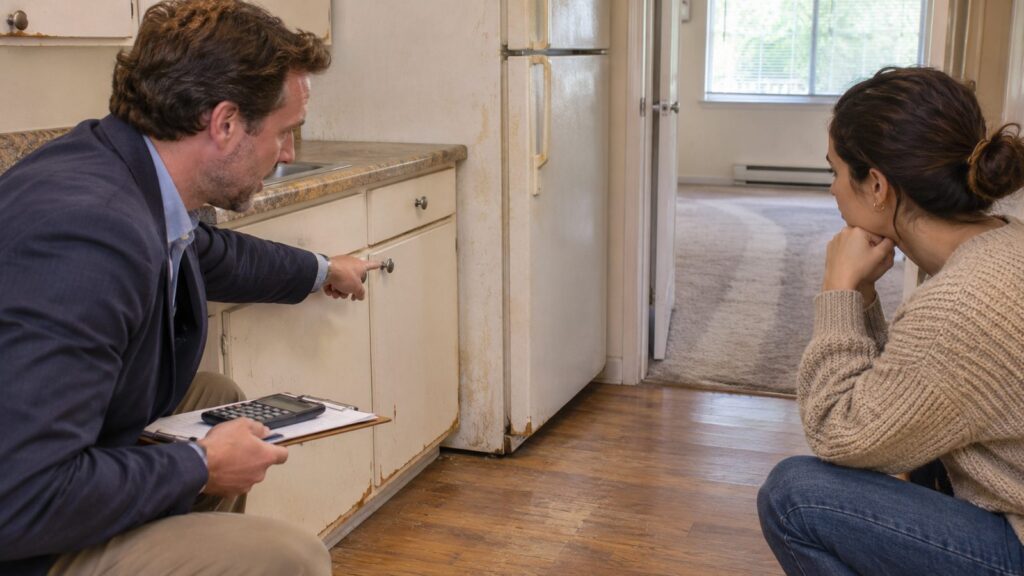
Good documentation can prevent disagreements about who caused a particular condition. Tenants should create records before moving belongings into the property. They should repeat the process when moving out. Useful records include:
* Date-stamped photos of every room. * Video showing floors, walls, appliances, and fixtures. * A signed move-in inspection checklist. * Written reports about existing defects. * Copies of repair requests and landlord responses. * Move-out photos taken after cleaning. * Receipts for repairs the tenant completed.
Photos should show both wide views and close details. Written communication should identify the date and location of each problem. Keeping everything together makes later comparisons much easier. Landlords benefit from the same documentation practices. LawGaze’s landlord lease-dispute playbook emphasizes written records and early documentation. Those records can become important when property damage is disputed.
What Should a Landlord Document?
Landlords should record the property’s condition before a new tenant takes possession. A detailed inspection establishes a starting point for later comparison. Photos should be dated and stored with the lease records. A move-out inspection should identify each disputed condition separately. Repair estimates, invoices, photographs, and written explanations can support legitimate deductions. Some states impose specific itemization requirements and deadlines. Massachusetts provides one example of detailed requirements. A landlord retaining deposit funds for qualifying damage generally must provide supporting records within the required period. Other states use different procedures, so property owners should verify local requirements.
What If the Landlord and Tenant Disagree?
The first step is usually comparing move-in and move-out evidence. Both parties should also review the lease and the state’s security-deposit rules. Written communication can sometimes resolve the issue without litigation. A tenant disputing a deduction can request an itemized explanation and supporting documentation where applicable. A landlord should explain why the condition exceeds ordinary deterioration. Both sides should preserve messages, photographs, inspections, estimates, and receipts. Serious disputes may require legal advice or a court claim. LawGaze’s guide to eviction attorneys and landlord-tenant disputes explains when professional help may become useful. Local legal-aid organizations may also provide assistance to qualifying tenants.
Why State Law Matters
Landlord-tenant law is primarily state and local law. A rule that applies in Texas may differ from one in California, Massachusetts, or New York. Deposit deadlines and required notices can also vary substantially. Lease wording matters, but a lease cannot necessarily eliminate statutory tenant protections. For example, Massachusetts guidance says rental agreements cannot require tenants to pay for ordinary deterioration. State law should therefore be checked before relying solely on contract language. For a specific dispute, start with the statute governing the property’s location. Then review applicable local ordinances and the lease. A landlord-tenant attorney can explain how those authorities apply to disputed facts.
Practical Rule for Distinguishing Aging From Damage
A useful starting question is whether the condition would reasonably develop through careful everyday use. If the answer is yes, ordinary deterioration is more likely. If negligence, misuse, or an accident caused it, tenant damage becomes more likely. Severity and timing should also be considered. A lightly worn carpet after years of use differs from a large burn after several months. The property’s starting condition remains equally important. This approach does not replace state law. It gives tenants and landlords a practical framework for organizing the facts. Those facts can then be compared with local legal requirements.
Frequently Asked Questions
What is the wear and tear meaning in a rental agreement?
The wear and tear meaning in a rental agreement generally refers to natural deterioration from ordinary use over time. It usually excludes damage caused by negligence, accidents, misuse, or abuse. State law can provide a more specific definition.
Are nail holes considered normal deterioration?
Small nail holes may sometimes be treated as ordinary use, but the answer varies. Large holes or excessive wall damage are more likely to be considered tenant damage. The lease and local law should also be reviewed.
Is dirty carpet normal aging?
Normal fading and gradual fiber wear can result from everyday use. Heavy staining, burns, pet damage, or excessive grime may fall outside that category. The cause and severity usually matter more than the label.
Can landlords charge for repainting?
Routine repainting caused by aging may be a landlord maintenance cost in many situations. Repainting needed because of serious stains or unauthorized changes may be treated differently. State law and the property’s prior condition can affect the result.
Who has to prove property damage?
The evidentiary rules differ by jurisdiction and type of claim. Photos, inspection forms, invoices, messages, and witness testimony can help establish what happened. Parties should preserve records from both the beginning and end of the tenancy.
Can a landlord charge the full price for an old item?
Not always. The item’s age and remaining useful value may matter when calculating a reasonable charge. The applicable state’s law determines how replacement costs should be handled.
The Bottom Line
Normal deterioration is an expected cost of using and owning rental property. Tenant damage generally involves something beyond ordinary aging, often involving negligence, misuse, or an accident. The distinction can directly affect security-deposit deductions and repair obligations. Both parties should document the property’s condition carefully. They should also check the law governing the property’s location before making or challenging deductions. Specific legal advice is appropriate when a significant deposit or damage claim remains disputed. —