Richmond’s position within Virginia’s transportation network brings substantial commercial traffic through and around the city, including large trucks traveling busy highways and regional routes. When a collision involving a commercial vehicle occurs, determining who is legally responsible can be considerably more complex than identifying the driver behind the wheel. Trucking operations may involve employers, owners, maintenance providers, cargo handlers, and insurers, each with different roles and interests that can affect how responsibility is assessed.
Establishing liability requires a careful connection between the available facts, applicable safety obligations, and the injuries that followed. For someone seriously injured in a commercial truck collision, working with a truck accident attorney in Richmond can help ensure that potential sources of responsibility are examined rather than overlooked.
How An Attorney Builds The Case
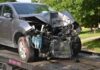
After a truck accident, the investigation should begin before evidence disappears. A lawyer sends preservation letters to the trucking company, the driver, the maintenance provider, and the cargo loader. Those letters demand that relevant materials remain available, including electronic logging data, inspection reports, dispatch records, onboard camera footage, and driver communications. A truck’s damage pattern can indicate its direction, speed, braking, and point of impact. An attorney may consult an accident reconstruction professional when the parties dispute visibility, stopping distance, lane changes, or the sequence of impacts.
Accident scenes also provide valuable information. Investigators photograph skid marks, debris, lane positions, road conditions, traffic signals, and vehicle damage. They compare those details with the police report and witness statements to determine how the collision occurred.
Identifying All Responsible Parties
The truck driver is one possible defendant, but liability often extends further. A driver who exceeded hours-of-service limits, drove while distracted, followed too closely, or ignored road conditions may have caused the crash. A trucking company can be held responsible for negligent hiring, inadequate training, unsafe scheduling, poor supervision, or pressure that encouraged unsafe driving. The company can also face liability for an employee’s conduct under agency principles.
An attorney reviews contracts, ownership records, employment documents, and insurance policies to determine which parties controlled the truck, driver, cargo, or maintenance work. That review prevents a claim from focusing on only the most visible participant.
Reviewing Federal Safety Requirements
Commercial trucks operate under rules that do not apply to ordinary passenger vehicles. The Federal Motor Carrier Safety Administration regulates driver hours, vehicle inspections, maintenance, cargo securement, drug and alcohol testing, and other safety duties. Electronic logging devices can reveal driving time, rest breaks, and possible fatigue. Dispatch records can show delivery pressure or schedule demands. Inspection reports can expose repeated mechanical defects that were reported but not repaired.
An attorney compares the available records with those requirements. A violation does not automatically prove liability, but it can support the argument that a party breached a duty of care. The lawyer must then connect that breach to the crash and the resulting injuries.
Connecting Liability To Injuries
Proving fault addresses how the collision happened. Proving damages requires medical and financial evidence demonstrating the effects of the collision. Medical records document diagnoses, treatments, surgeries, rehabilitation, medications, and future care needs. An attorney compares those records with the crash mechanics and earlier health information when an insurer claims that another condition caused the symptoms. Employment records help establish missed work, reduced earning ability, and lost benefits. Property damage estimates, receipts, and photographs support vehicle-loss claims. Testimony from treating providers can explain whether injuries will affect mobility, employment, or daily activities.
Virginia follows a contributory negligence rule. If an injured person is found even one percent responsible, recovery can be barred. For that reason, the attorney must address allegations involving speed, lane position, visibility, seat belt use, and other claimed conduct.
Handling Insurance And Evidence Disputes
Trucking companies often have insurers, claims representatives, and investigators responding soon after a crash. Their early work can shape how evidence and responsibility are presented. An attorney communicates with insurers and reviews recorded statements, settlement proposals, coverage documents, and liability positions. The lawyer also challenges incomplete explanations that ignore driver fatigue, maintenance failures, cargo problems, or company conduct.
When necessary, formal discovery requires opposing parties to produce records and answer questions under legal procedures. Depositions allow witnesses, drivers, company representatives, and technical professionals to provide sworn testimony.
Conclusion
A truck accident attorney proves fault by connecting physical evidence, company records, safety rules, witness testimony, and medical documentation. The investigation must identify every responsible party and answer claims that the injured person caused the collision or worsened the harm. After receiving medical care, an injured person should preserve bills, employment records, photographs, and insurer communications, then seek legal advice before giving a recorded statement or accepting an offer.