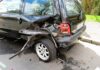
Car accidents happen fast and leave you shaken, confused, and unsure what to do next. The steps you take immediately after a crash in Denver can protect your health, preserve your legal rights, and strengthen any future claim for compensation. Knowing what to do helps you avoid costly mistakes that insurance companies use against you. A Denver car crash attorney can guide you through the process and fight for the compensation you deserve.
Prioritize Safety and Health First
Check yourself and passengers for injuries. If anyone is hurt, call 911 immediately. Don’t move injured people unless staying in place creates greater danger like fire or oncoming traffic. Even if you feel fine, adrenaline masks pain and some injuries don’t show symptoms right away.
Move vehicles out of traffic if possible and safely to do so. Turn on hazard lights to warn other drivers. Denver’s busy highways like I-25 and I-70 create additional collision risks when disabled vehicles block lanes. If you can’t move your car safely, stay inside with your seatbelt on until help arrives.
Call the police to report the accident. Colorado law requires reporting crashes that cause injury, death, or property damage over $1,000. The police report documents what happened and serves as crucial evidence for your claim. Get the report number and officer’s name before leaving the scene.
Exchange Information Properly
Get the other driver’s name, phone number, address, driver’s license number, license plate number, and insurance information. Take photos of their license and insurance card to ensure accuracy. Write down the vehicle make, model, color, and any visible damage.
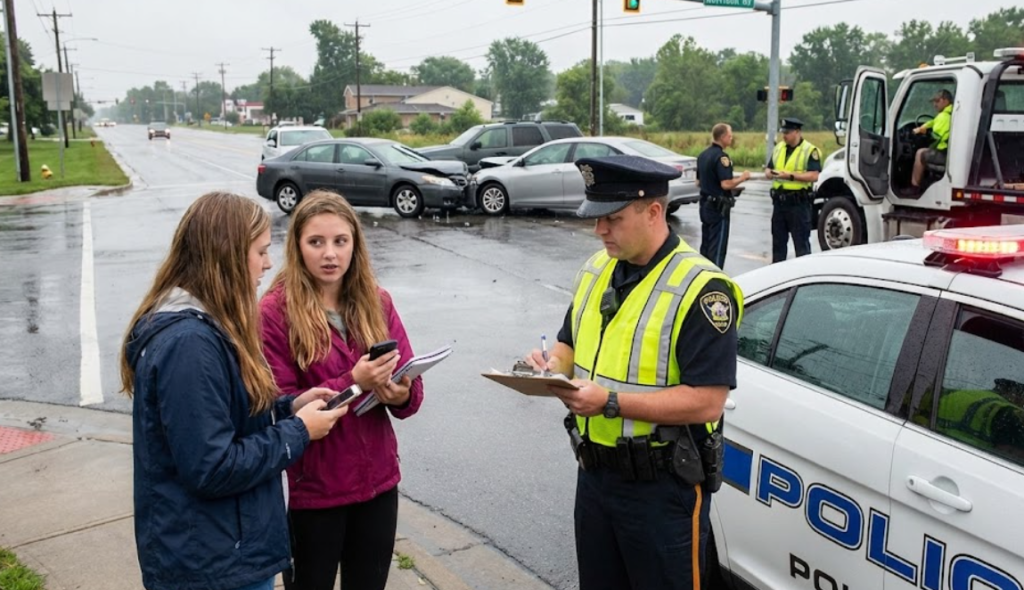
Don’t discuss fault or apologize at the scene. Saying “I’m sorry” or “I didn’t see you” can be used against you later. Stick to exchanging information and describing what you observed to the police. Let investigators and insurance companies determine fault based on evidence.
Collect contact information from witnesses. Get names, phone numbers, and brief statements about what they saw. Witness testimony often proves crucial when drivers give conflicting accounts of how the crash happened.
Document the Accident Scene
Take photos and videos of everything. Capture vehicle damage from multiple angles, the accident scene showing traffic controls and road conditions, skid marks, debris, and your visible injuries. Denver weather conditions like snow or ice should be documented if they contributed to the crash.
Note the time, date, location, weather, and traffic conditions. Write down everything you remember about how the accident happened while details are fresh. Include what you were doing before impact, what the other driver did, and where each vehicle ended up.
Look for nearby security cameras at businesses, traffic cameras, or dash cams from other vehicles. This footage can provide objective evidence of what happened but often gets deleted quickly. A car crash lawyer can request this footage before it disappears.
Seek Medical Attention Immediately
Go to the hospital or urgent care even if you feel fine. Many serious injuries like concussions, whiplash, and internal damage don’t cause immediate pain. The CDC recommends seeking medical evaluation after any motor vehicle crash to identify hidden injuries. Getting checked out creates medical records linking your injuries to the accident. Delaying treatment gives insurance companies ammunition to argue your injuries aren’t serious or aren’t accident-related.
Follow all treatment recommendations. Attend appointments, complete physical therapy, and take prescribed medications. Keep copies of all medical records, bills, prescriptions, and receipts. This documentation proves the extent of your injuries and the cost of your care.
Report the Accident Properly
Notify your insurance company about the accident. Colorado requires prompt reporting, but doesn’t give recorded statements or discuss faults without legal advice. Provide basic facts: when and where the crash occurred and who was involved. Let them know you’ll provide additional information through your car crash lawyer.
Don’t accept quick settlement offers from the other driver’s insurance company. Adjusters call within hours of accidents and push for fast settlements before you understand your injuries or know your rights. These early offers rarely cover your actual damages.
Protect Your Legal Rights
Contact a car crash lawyer as soon as possible after your accident. Colorado gives you three years to file a personal injury lawsuit, but waiting hurts your case. Evidence disappears, witnesses move or forget details, and insurance companies use delays against you.
Don’t post about your accident on social media. Insurance companies monitor these accounts looking for posts they can use to deny or reduce your claim. A photo of you at a family gathering becomes “proof” you’re exaggerating injuries.
Keep a journal documenting how injuries affect your daily life. Note pain levels, activities you can’t do, appointments you miss, and emotional impacts. This record supports claims for pain and suffering damages.
Understanding Colorado’s Comparative Fault Law
Colorado follows modified comparative negligence rules. You can recover damages even if you share some fault for the accident, as long as you’re less than 50% responsible. Your compensation gets reduced by your percentage of fault. This law makes proving the other driver’s negligence crucial and shows why having a car crash lawyer matters.
What Comes Next
A car crash lawyer investigates your accident, gathers evidence, handles insurance communications, and fights for maximum compensation. They know Denver traffic laws, understand insurance company tactics, and have resources to build strong cases. Most work on contingency, so you pay nothing unless they win your case.
The steps you take after a Denver car accident determine whether you get fair compensation or struggle with bills and injuries alone. Act quickly, document everything, seek medical care, and get experienced legal help to protect your rights and recover what you’re owed.
If you want to know about What to Do After a Car Accident: A Practical Guide for Drivers then visit our Accidents Law category.