Lawyer drawing is a powerful visual way to show lawyers, courtroom scenes, and legal events through sketches or illustrations. They have been used for many years, especially when courtrooms prohibited cameras.
A lawyer’s drawing helps people understand complex legal processes by clearly and visually illustrating them. This article explains the history of lawyer drawings, their role in court reporting legal education, and how they are now used digitally.
It also shares how artists have made careers from this work and how these drawings leave a lasting legacy in law and art. From early courtroom sketching to modern digital use, the drawings continue to make legal stories more human, memorable, and meaningful to the public.
| Basics | Summary |
| Definition | Art showing lawyers and court scenes. |
| Purpose | Visual aid where cameras aren’t allowed. |
| History | Pre-camera courtroom sketching. |
| Court Use | Records trials while respecting privacy. |
| Artistic Value | Creative expression in legal contexts. |
| Emotional Impact | Adds human touch to legal stories. |
| Educational Use | It helps explain legal processes visually. |
| Digital Transition | Digital tools are now used for sketches. |
| Modern Use | Used in blogs, media, and social platforms. |
| Legal Education | Visual aids enhance learning for students. |
| Courtroom Impact | Courtrooms use drawings for news and records. |
| Legacy | Bridges law and art, lasting in history. |
| Career Opportunities | Roles for courtroom sketch artists. |
| Ongoing Relevance | Lawyer drawing is still vital in modern law. |
What Is a Lawyer Drawing?
A lawyer drawing is an artistic sketch or image showing lawyers at work. These can include courtroom scenes, consultations, or symbolic illustrations of legal themes. Often used where cameras are not allowed, such as in courtrooms, these drawings provide a glimpse into legal proceedings. These drawings are also used in textbooks, websites, and presentations to make legal content easier to understand and more visually appealing for students or clients.

The History Behind Drawing
This drawing was the only way to capture courtroom events before photography was allowed daily. Artists would attend high-profile trials and create sketches of the people involved. These drawings became part of public records and news reports. Over time, lawyer drawings evolved into a unique art form. They are still valued today for their ability to convey courtroom emotion and human behavior in a powerful, visual manner.

Courtrooms
- Cameras are restricted or banned in many courtrooms, especially in the U.S. and the U.K.
- This is where drawing plays a vital role. Courtroom sketch artists quickly draw the judge, lawyers, jury, and witnesses during proceedings.
- These images are shared in the news or archived as historical records.
- They allow the public to see necessary trials while respecting legal boundaries and maintaining courtroom decorum and privacy for the participants involved.
Artistic Side
Besides being informative, a lawyer’s drawing can be artistic and emotional. Artists use their skills to capture facial expressions, dramatic moments, and courtroom tension. These drawings can become powerful pieces of art used in galleries or exhibitions. Many law firms even commission customized legal-themed artwork for branding. Through creative expression, drawings show that the law is not just rules—but also about people and real-life stories.

Educational Use
A lawyer’s drawing can be an excellent learning tool in legal education. Law schools often use Diagrams and illustrations to explain court layouts, procedures, or professional roles. They help students visualize legal scenarios, making abstract topics easier to grasp. Educational videos and presentations also use drawings to keep learners engaged. A well-designed lawyer drawing enhances memory and understanding, especially for visual learners in complex legal studies.
Impact
A lawyer drawing in court or in a legal context can significantly impact visually and emotionally. Such illustrations capture key trial moments, offering insight into courtroom dynamics and expressions. They provide the public with a visual record, especially where cameras are prohibited. These drawings help preserve historical legal proceedings and humanize complex legal narratives, influencing how justice is perceived and remembered in public and media discourse.
Digital Age
With digital tools, drawing has entered a new era. Artists can now create high-quality digital sketches using tablets or software. Legal bloggers and media outlets use these digital illustrations to share court updates, explain laws, or make content more visually appealing. Animation and infographic-style drawings are increasingly used on social media. This modern approach combines creativity with technology to make legal communication more engaging and accessible.
Why Drawing Still Matters
- Despite advancements in photography and video, lawyer drawing remains relevant.
- Drawings can express emotions, emphasize essential interactions, and capture the atmosphere in ways that cameras may miss.
- They are respectful in sensitive legal situations, offering a humanized version of justice.
- Whether in court, media, or education, drawings help people connect emotionally with legal stories, making the law feel more personal and less intimidating for everyday audiences.
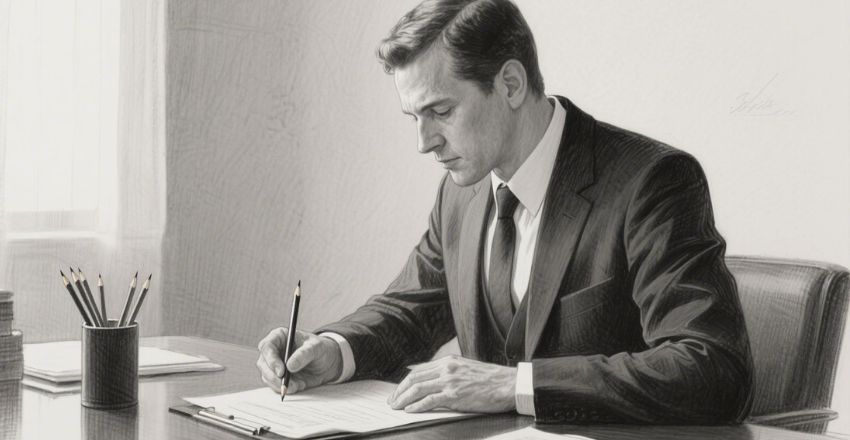
Career Option
Drawing can be a fulfilling career for those who love art and law. Courtroom sketch artists work with news agencies or courts to cover major trials. Others create illustrations for law books, websites, or presentations. With the growing demand for visual content in legal marketing and education, skilled illustrators are needed. If you’re passionate about storytelling and detail, becoming a legal illustrator could be a rewarding professional path.

Essential Skills of a Successful Courtroom Sketch Artist
Creating accurate lawyer drawings requires much more than artistic talent. Courtroom sketch artists must work quickly, observe fine details, and capture expressions, body language, and important moments while legal proceedings unfold in real time.
They also need a solid understanding of courtroom procedures and ethical boundaries to ensure their illustrations accurately represent events without interfering with the judicial process.
Strong communication skills, adaptability, and proficiency with both traditional and digital illustration tools further enable artists to meet the evolving demands of news organizations, publishers, educational institutions, and legal professionals.
Conclusion
In conclusion, lawyer drawing is more than just art—it’s a valuable and lasting way to show the legal world. From courtrooms to classrooms and even online, these drawings help people understand the law better. Whether drawn by hand or created digitally, a drawing captures moments, tells stories, and leaves a substantial impact. As law and technology grow, this visual tradition will continue to educate, inform, and inspire future generations.
Apart from that if you want to know about “Tricks Lawyers Use in Depositions: The Art of the Trap, Mind Games in the Courtroom” then please visit our “Find A Lawyer” Category.
FAQs
Yes, these drawings are still relevant today. They are used in courts, educational materials, legal blogs, and social media— in traditional hand-drawn and modern digital formats.
These drawings help students visualize court layouts, procedures, and legal roles in legal education. They make complex legal concepts easier to understand, especially for visual learners.
Beyond documentation, these drawings capture emotions, expressions, and courtroom drama. They can be powerful art pieces and are sometimes showcased in exhibitions or used for branding by law firms.