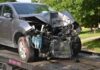
When a commercial vehicle collides with a personal car, the aftermath can feel overwhelming for Business and Individuals alike. Questions about fault, insurance, and next steps quickly arise. Navigating these complex claims requires understanding unique legal and practical challenges—especially when both large trucks and smaller cars are involved. For Business and Individuals, managing the situation effectively means recognizing the legal responsibilities, insurance implications, and safety considerations that come with commercial vehicle incidents.
Distinctive Challenges in Commercial Vehicle Claims
Commercial vehicle accidents differ fundamentally from typical car crashes. The vehicles’ size and weight often result in more severe injuries and extensive property damage. These incidents may involve multiple parties, such as drivers, employers, and manufacturers, making liability less straightforward.
Factors like vehicle maintenance, driver training, load security, and compliance with federal regulations all play crucial roles in determining responsibility. For those seeking experienced guidance, consulting a car accident lawyer wakefield may help clarify these complexities early in the process.
Gathering Critical Evidence
Successfully handling a complex commercial vehicle claim hinges on collecting comprehensive evidence. Accident scenes involving trucks or other commercial vehicles demand a more thorough approach than standard collisions. Investigators often look for:
- Photographs of vehicle positions, debris, skid marks, and road conditions
- Electronic data from event data recorders (black boxes)
- Driver logbooks and employment records
- Maintenance and inspection reports
- Surveillance footage from dashcams or nearby businesses
Securing this evidence promptly is essential, as trucking companies may have rapid response teams aiming to control information soon after a crash.
Navigating Insurance and Multiple Parties
Insurance policies for commercial vehicles differ significantly from those for passenger cars. Commercial policies often have higher limits but may also involve excess carriers or layered coverage. Additionally, numerous parties—such as vehicle owners, drivers, cargo shippers, and even manufacturers—might share liability.
Understanding how to interact with multiple insurers and stakeholders is crucial. Effective communication helps clarify who is responsible for damages, injuries, and long-term consequences. Sometimes, claims require coordination between personal and commercial policies to ensure full compensation.
Legal Complexities and Regulations
Commercial vehicle incidents are governed by a web of state and federal regulations. The Federal Motor Carrier Safety Administration (FMCSA) establishes requirements for hours of service, drug testing, and vehicle maintenance. When these rules are violated, they can directly impact liability.
Legal professionals must also untangle how state negligence laws—such as comparative or contributory fault—affect outcomes. For instance, if a car driver contributed to the crash, their compensation might be reduced. These distinctions highlight the importance of specialized legal knowledge.
Checklist: Steps to Take After an Incident
Handling a commercial vehicle claim can be daunting. Here’s a checklist to help manage the process:
- Ensure safety, call emergency services, and use a community safety app
- Document the scene with photos and witness information
- Obtain contact and insurance details from all drivers and companies involved
- Seek medical attention even if injuries seem minor
- Preserve evidence (such as vehicle damage or cargo conditions)
- Notify your insurance provider promptly
- Consult with relevant professionals for guidance on legal and insurance matters
Following these steps can help protect your interests and strengthen any potential claim.
The Role of Expert Witnesses
In many commercial vehicle cases, technical details are central to determining fault. Accident reconstructionists, vehicle engineers, and medical experts may be called upon to provide opinions on cause and impact. Their testimony is often pivotal in clarifying disputed facts, such as vehicle speed, braking distances, or whether a mechanical failure contributed to the crash. Managing The Outcomes: What To Do After A Serious Vehicle Accident covers this in more detail.
Expert analysis can also help assess future medical needs or lost earning capacity, which is particularly important in high-value claims.
Negotiation and Litigation Strategies
Given the complexity and potential stakes, negotiation strategies are critical in commercial vehicle claims. Insurers may attempt to settle quickly, but a thorough understanding of the facts and damages is necessary before accepting any offer. Mediation or alternative dispute resolution can sometimes help resolve disputes without lengthy court proceedings.
However, when cases proceed to litigation, having an advocate with specific experience in truck and commercial vehicle accidents is invaluable. Individuals facing such situations in Massachusetts often benefit from consulting a Boston truck accident legal counsel, who brings knowledge of both state and federal transportation laws.
Unique Considerations for Businesses
For businesses operating commercial fleets, a single incident can trigger regulatory reviews, reputational damage, and even criminal investigations if negligence is suspected. Implementing robust safety programs, driver training, and compliance audits can help reduce both the likelihood and impact of accidents.
When claims arise, businesses must coordinate with insurers, regulators, and legal counsel to manage risk and maintain operations. Proactive planning and timely response are key to mitigating financial and legal exposure.
Want to know about Crashed at Work or on the Way There – Two Different Problems, One Common Mistake Check out our Accidents Law category.
Conclusion
Managing claims involving commercial vehicles and cars requires a careful, informed approach. The combination of severe damages, complex liability, and regulatory scrutiny means these cases are rarely straightforward. Early evidence gathering, an understanding of insurance intricacies, and the strategic use of expert witnesses often shape successful outcomes. As transportation evolves and regulations change, all parties—drivers, businesses, and insurers—must stay alert to the unique challenges these incidents present, ensuring both safety and fair resolution in the future.