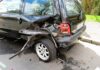
Not all car accidents are treated the same when it comes to insurance claims or injury lawsuits. The way a crash happens often determines who is at fault, what evidence matters most, and how compensation is calculated. Understanding the type of accident you were involved in can help you avoid common claim mistakes and better protect your rights.
Why Accident Type Matters
Each accident type affects how fault is assigned, what evidence carries the most weight, and how compensation is calculated. If you were injured in a crash and live in the Houston area, contacting Houston car accident lawyers early can help protect evidence, deal with insurers, and prevent costly claim mistakes. Here are five types of car accidents and how they affect your claim.
- Rear-End Collisions
Rear-end collisions account for nearly 29% of all police-reported crashes in the United States, making them the most common crash type nationwide. They can occur due to distracted driving. In most cases, the fault lies with the driver who hits another vehicle from behind. This makes liability easier to establish, especially when police reports and vehicle damage support the claim. Insurers can challenge these claims by arguing sudden stops or pre-existing damage, which is why photos of vehicle positions, brake light function, and witness statements matter.
- T-Bone (Side-Impact) Accidents
Side-impact crashes usually happen at intersections when one driver runs a red light or fails to yield. These claims depend heavily on traffic signal timing, intersection camera footage, and eyewitness accounts. You must collect evidence quickly because many cities overwrite traffic footage within weeks. As side doors offer limited protection, injuries such as rib fractures, pelvic injuries, and head trauma are common, which can contribute heavily to medical damages.
- Head-On Collisions
Head-on crashes can lead to severe injuries and long-term consequences because the force of impact is absorbed directly by both vehicles. These accidents happen due to impaired driving, wrong-way driving, fatigue, or unsafe passing on two-lane roads.
Fault is sometimes clear, but insurers still investigate whether road design, poor lighting, or weather conditions played a role. Proving liability may require accident reconstruction reports, vehicle event data recorders like black box data, and roadway analysis.
Claims tied to head-on collisions can involve extended hospital stays, multiple surgeries, rehabilitation, and permanent impairments. You can claim loss of future earning capacity, especially if injuries prevent a return to the same type of work. Medical expert opinions and detailed employment records are often required to support the full value of these damages.
- Rollover Accidents
Rollover accidents introduce additional legal questions beyond driver behavior. Factors such as vehicle stability, tire defects, roof strength, and road design may all affect liability. Some claims extend beyond individual drivers and involve manufacturers or government agencies responsible for vehicle design or roadway maintenance.
Rollovers can cause occupants to be ejected or suffer crushing injuries, increasing the risk of spinal cord damage and traumatic brain injuries. Symptoms from head and spinal injuries may worsen over time; it is critical not to settle a claim before doctors can assess long-term limitations, future treatment needs, and permanent disability.
- Multi-Vehicle Accidents
Multi-vehicle crashes are among the most complicated claims because fault may be shared among several drivers. Insurance companies can dispute the sequence of impacts to minimize their responsibility.
Establishing who caused the initial collision is essential, as that driver may bear the majority of liability, often requiring guidance from experienced professionals such as OUI DUI & criminal defense attorneys The Maine Criminal Defense Group in Portland, Maine.
Dashcam footage, witness timelines, vehicle damage patterns, and police reports can help reconstruct how the crash unfolded. Even a partial fault can reduce compensation, making precise and well-documented evidence especially important in these cases.
Endnote
Each type of car accident presents unique challenges that can directly affect fault, evidence, and compensation. Understanding how your crash occurred helps you avoid costly mistakes and strengthens your claim. Serious accidents often involve complex legal and medical issues, so taking the right steps early can make a meaningful difference in your financial recovery and long-term outcome.
Want to know about How a Car Accident Attorney Can Help You Win Your Case in Louisiana Check out our Accidents Law category.