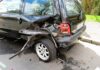
Delivery van collisions are not small versions of tractor-trailer cases. The vehicles are lighter, the routes are residential, and — critically — most delivery vans fall below the weight threshold that triggers the full federal safety regime. There are usually no hours-of-service limits and no electronic logging device to obtain.
What replaces that evidence is the delivery platform’s own data, and what complicates the claim is a contracting structure designed to place liability somewhere other than with the recognisable brand on the side of the van.
Key Takeaways
- Most delivery vans sit below the weight threshold for full federal motor carrier regulation, so hours-of-service rules and electronic logging generally do not apply.
- The driver is frequently employed by a contractor rather than by the brand on the vehicle, which becomes the central liability question.
- Route software, handheld scan timestamps and in-cab camera systems generate detailed evidence — but it sits with the platform and expires quickly.
- Commercial policies covering delivery operations are typically far larger than personal auto coverage, so identifying the correct one matters enormously.
- Missouri applies pure comparative fault and has an unusually long limitation period for personal injury, though claims against public entities are far shorter.
Why the Delivery Model Complicates Liability
Last-mile delivery runs on several different structures, and the structure determines who can be sued.
- Contracted delivery partners. Independent businesses operating branded vans with their own employees. The brand argues it is not the employer.
- Gig drivers in personal vehicles. Engaged app-by-app, with coverage that depends on what stage of the delivery was underway.
- Contractor networks. Route-based independent service providers, common in parcel delivery.
- Direct employment. Some carriers still use employed drivers, which makes vicarious liability straightforward.
Where the driver is a contractor’s employee, the brand’s standard position is that it bears no responsibility. Plaintiffs respond with several theories: that the brand exercised such detailed control over routes, timing, appearance and performance metrics that an employment relationship existed in substance; that the branding created apparent agency, since the public reasonably believed the van belonged to the brand; that the brand was negligent in selecting or retaining the contractor; or that the two functioned as joint employers.
These arguments succeed or fail on evidence about control — the operating manuals, the performance metrics, the technology installed in the vehicle, and how much discretion the contractor actually had. That evidence is obtained in discovery, which is why the pleading has to name the right parties early.
The Evidence That Replaces Hours-of-Service Records
Long-haul cases turn on duty logs. Delivery cases turn on route and performance data, which is often richer.
- Route assignment and completion data — how many stops were scheduled, over what period, and whether the route was realistically completable within the shift.
- Handheld scanner timestamps, which record each delivery to the second and allow the driver’s pace to be reconstructed precisely.
- In-cab and outward-facing camera systems, increasingly standard on delivery fleets, which record footage and driver behaviour scoring.
- Telematics — speed, harsh braking, cornering, seatbelt use and idle time.
- Driver performance scorecards, which show whether the driver was under pressure on metrics such as stops per hour or on-time rate.
- Dispatch communications and any instruction to complete additional stops.
- Vehicle maintenance and inspection records.
The most valuable finding is usually systemic rather than individual: a route that could not be completed within the shift without speeding or skipping breaks points at the scheduling algorithm and the contracting arrangement, not merely at one driver’s choices.
Retention is short. Camera footage in particular is commonly overwritten within weeks. A written preservation demand naming each category — route data, scan records, camera footage, telematics, scorecards — must go to the contractor, the platform and any technology vendor within days.
How These Collisions Actually Happen
Delivery vehicle incidents follow recognisable patterns, and they differ from highway trucking:
- Reversing collisions in driveways and residential streets, often involving pedestrians and children.
- Double parking, which forces cyclists into traffic and blocks sightlines at crossings.
- Door-zone incidents, where a van door opens into a cyclist’s path.
- Blind spot collisions, since loaded vans have severely restricted rear visibility.
- Pedestrian strikes during rushed multi-stop sequences in dense areas.
- Non-vehicle incidents on private property — slips on steps, dog attacks, or injuries caused by heavy packages left unsafely.
That last category matters because it is frequently overlooked: a delivery worker injured on someone’s premises may have both a workers compensation claim and a separate third-party claim against the property owner, and a resident injured by delivery conduct has a claim that has nothing to do with driving at all.
Finding the Insurance
Available coverage is the practical ceiling on any claim, and delivery cases often have more of it than claimants realise.
Contracted delivery operators are typically required by their agreements to carry commercial auto liability at levels well above state minimums, and platforms commonly maintain their own commercial policies that respond during active delivery periods. Gig arrangements using personal vehicles have coverage that varies by delivery stage — app off, app on awaiting an offer, and en route with a package — much like rideshare tiering. Personal auto policies usually exclude commercial delivery use entirely, which is why establishing what the driver was doing at the moment of impact is a threshold question.
Beyond that, look for excess and umbrella layers, the vehicle owner’s policy where the van is leased, and the claimant’s own uninsured and underinsured motorist coverage.
Significant Harm and Substantial Losses
A loaded delivery van weighs several times a passenger car, and most of these collisions involve pedestrians, cyclists or occupants of much smaller vehicles at close range. The injury profile skews serious even at low speed.
A properly built claim accounts for past and projected medical treatment, lost earnings and reduced earning capacity, and non-economic harm. Where the injury has lasting effects, future care must be evidenced by qualified experts rather than asserted — insurers value undocumented future treatment at close to nothing.
Where the injured person was themselves working, the interaction between workers compensation and any third-party accident claims needs to be handled deliberately, because the compensation carrier will typically assert a lien against the third-party recovery.
Missouri Rules Worth Knowing
Missouri applies pure comparative fault, meaning recovery is reduced by the claimant’s share of responsibility but is never barred outright — a materially more favourable position than the modified comparative and contributory negligence states.
Missouri’s limitation period for personal injury is unusually long by national standards, which occasionally leads claimants to assume there is no urgency. That is a mistake in delivery cases specifically: the evidence that decides them — camera footage, route data, scan records — is retained for weeks or months, not years. The deadline to file and the deadline to preserve are entirely different things.
Claims involving public entities carry separate and much shorter notice requirements, and wrongful death claims run on their own period.
What to Do After a Delivery Vehicle Collision
- Photograph the van including all branding, the licence plate, any fleet or unit number, and any DOT number displayed.
- Record the driver’s name and, importantly, who they say they work for — the brand and the contractor are often different entities.
- Note whether the vehicle carries visible camera equipment, since that establishes footage existed.
- Photograph the wider scene: parking position, sightlines, road markings and any obstruction the van created.
- Collect independent witness details, including residents who may have doorbell footage.
- Get medically assessed the same day and attend follow-ups consistently.
- Speak with an attorney within days so preservation demands reach the contractor, the platform and any camera vendor. A Delivery Truck Accident Lawyer in St. Louis or comparable local counsel will know which entities to name.
Frequently Asked Questions
Can I claim against the brand on the van?
Sometimes. Where the driver works for a contractor, the brand will deny responsibility, and the claim depends on establishing control, apparent agency, negligent selection or joint employment. The branding itself is relevant evidence.
Do hours-of-service rules apply to delivery vans?
Generally not, because most delivery vans fall below the weight threshold for full federal motor carrier regulation. Route and scan data substitutes as evidence of the schedule the driver was working to.
What if the driver was using their own car?
Coverage typically depends on the delivery stage at the time. Personal policies usually exclude commercial delivery use, so establishing whether the app was active and a package was aboard is a threshold question.
How quickly does the evidence disappear?
Camera footage is often overwritten within weeks, and route and telematics data is retained for limited periods. Preservation demands should go out within days regardless of how long the filing deadline is.
I was hit while cycling past a double-parked van. Is that a claim?
Potentially, whether the van struck you or created the hazard that caused the collision. Parking position, duration and any local restriction are all relevant, and camera footage may capture it.
Can I claim if I was partly at fault?
In Missouri, yes. Pure comparative fault reduces recovery in proportion to your share without barring it.
Conclusion
Delivery collision claims are decided by two things: correctly identifying every entity in the contracting chain, and securing route, scan and camera data before it is overwritten. Neither can be done late. The filing deadline may be years away — the evidence that proves the case usually is not.
This article is general information, not legal advice. Fault rules, deadlines and notice requirements vary by state — confirm your position with a qualified attorney.
Related reading: 5 Mistakes to Avoid When Filing a Car Accident Claim.
Explore more in Accidents Law.