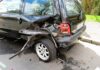
Letting someone drive your car can create legal and financial risk if you are not careful. In many situations, the vehicle owner may still be responsible for damages caused during an accident.
Insurance typically follows the car, not the driver. That means your policy may be the first to pay if the person you allowed behind the wheel causes a crash.
Understanding how to protect yourself legally and financially starts with knowing the common mistakes owners make. A casual decision can lead to higher premiums, liability claims, or coverage disputes. Taking a few precautions beforehand can prevent long-term consequences.
Assuming Insurance Covers Everything
One of the biggest mistakes is assuming full protection automatically applies. While many policies cover permissive drivers, coverage limits and exclusions still matter.
If damages exceed your policy limits, you could be personally responsible for the difference. Serious accidents involving injuries can quickly surpass minimum coverage amounts.
It is important to review your policy details before handing over the keys. Knowing your liability limits helps you assess the true risk.
Ignoring the Driver’s Record
Trusting someone personally does not guarantee they are a safe driver. A history of speeding tickets, DUIs, or prior accidents increases the likelihood of another incident.
Allowing a high-risk driver to use your car may also affect your insurance premiums. Insurers may raise rates after a claim, even if you were not driving.
A quick conversation about driving history can prevent avoidable problems. Responsible ownership includes verifying that the driver has a valid license.
Overlooking Coverage Exclusions
Not all policies treat every driver the same way. Some insurers exclude specific individuals from coverage, especially if they live in your household.
If an excluded driver causes a crash, your insurer may deny the claim entirely. This could leave you exposed to lawsuits and repair costs.
Clarifying who is covered under your policy eliminates confusion. Clear understanding reduces unpleasant surprises after an accident.
Lending to Someone Without Insurance
Another common mistake is assuming the other driver’s insurance will step in first. In most cases, your insurance acts as the primary coverage.
If the borrower has no insurance or insufficient coverage, your policy absorbs the impact. This can result in higher deductibles and increased future premiums.
Verifying that the person carries valid insurance adds an extra layer of protection. It also demonstrates responsible decision-making.
Failing to Set Clear Expectations
Many disputes arise from misunderstandings rather than bad intentions. Without clear boundaries, drivers may use the vehicle longer or differently than expected.
Discussing where the car will be driven and for how long reduces risk. Setting limits creates accountability.
Clear communication also reinforces responsibility for safe driving. Simple agreements can prevent larger problems later.
Allowing Use for Commercial Purposes
Personal auto policies often exclude commercial activity. If someone uses your vehicle for rideshare, delivery, or business tasks without proper coverage, claims may be denied.
This situation can create serious financial exposure. Commercial driving carries higher accident risks and different liability standards.
Confirming the purpose of use protects both you and your policy. Transparency matters before permission is granted.
Forgetting About Mechanical Responsibility
Vehicle owners are responsible for maintaining safe driving conditions. Lending a car with faulty brakes or worn tires can increase liability if an accident occurs.
Routine maintenance reduces the chance of mechanical failure. Safe equipment protects everyone on the road.
Ensuring the vehicle is roadworthy reflects responsible ownership. Neglecting maintenance can compound legal issues after a crash.
Emotional Decisions Without Risk Assessment
Sometimes keys are handed over out of urgency or kindness. While helping others is admirable, impulsive decisions can carry unintended consequences.
Taking a moment to evaluate potential liability makes a difference. Thoughtful consideration outweighs convenience.
Balancing generosity with caution protects relationships and finances. A brief pause can prevent long-term stress.
Key Takeaways
- Vehicle owners may remain liable for accidents caused by permissive drivers.
- Insurance usually follows the car, making policy limits critical.
- Driver history and coverage exclusions significantly affect risk.
- Clear expectations and proper verification reduce liability exposure.
- Responsible lending decisions protect both finances and relationships.
If you want to know more about Legal Recourse After an Underride Accident Involving a Passenger Vehicle and Trailer, then visit our Accident Law category.